
Mastering Smart Home Automation: Reclaim Over 10 Hours Monthly and Boost Your Home’s Efficiency
In an increasingly fast-paced world, time is a precious commodity. Imagine gaining back 10 or more hours every single month – time you could spend with loved ones, pursuing hobbies, or simply relaxing. This isn’t a fantasy; it’s a tangible reality achievable through advanced smart home automation. This comprehensive guide will delve deep into how you can transform your dwelling into an intelligent hub, automating mundane tasks, enhancing security, and optimizing energy consumption, all while significantly impacting your financial well-being. From basic setups to intricate routines, we’ll explore the power of a truly connected home.
The Untapped Potential of Smart Home Automation: Beyond Convenience
When most people think of smart home automation, they envision turning lights on and off with their voice or a tap on their phone. While convenient, this barely scratches the surface of what’s possible. True automation involves creating seamless, proactive routines that anticipate your needs and manage your home autonomously. This goes beyond simple remote control; it’s about systems working together intelligently, learning your patterns, and making your life effortlessly efficient.
Consider the cumulative effect of small, repetitive tasks: adjusting the thermostat, turning lights off in empty rooms, locking doors, brewing coffee, watering plants, monitoring security. Individually, these take mere seconds or minutes. Collectively, they consume a significant portion of your mental and physical energy each day, adding up to hours every week. By implementing effective smart home automation, you delegate these tasks to your home, freeing up valuable time and reducing daily cognitive load.
Understanding the Core Principles of Smart Home Automation
At its heart, smart home automation relies on three key components:
- Smart Devices: These are the physical components – lights, thermostats, locks, cameras, sensors, appliances – that can connect to a network and be controlled digitally.
- A Central Hub or Controller: This acts as the brain of your smart home, enabling communication between different devices, even if they’re from different manufacturers. Examples include smart speakers (Amazon Echo, Google Home), dedicated hubs (Samsung SmartThings, Apple HomeKit), or even advanced routers.
- Automation Rules/Routines: These are the instructions you set up, often in an ‘If This, Then That’ (IFTTT) format. For example, ‘IF motion is detected in the living room after sunset, THEN turn on the living room lights.’
The beauty of modern smart home automation is its increasing interoperability. While proprietary ecosystems still exist, many devices now support open standards or integrate with popular platforms, making it easier than ever to build a cohesive system tailored to your lifestyle.
Saving Time: Real-World Scenarios with Smart Home Automation
Let’s break down how smart home automation can genuinely save you those coveted 10+ hours per month. We’ll look at specific areas of your home and daily routines.
Morning Routines: Kickstarting Your Day Efficiently
Imagine waking up without hitting snooze multiple times. Your smart home can gently ease you into the day:
- Automated Wake-Up: Instead of a jarring alarm, your smart lights can gradually brighten 30 minutes before your alarm, mimicking a natural sunrise. Your smart thermostat can adjust to your preferred morning temperature.
- Coffee Ready: A smart coffee maker, triggered by your wake-up time or even your alarm, can have your brew waiting.
- News & Weather Briefing: Your smart speaker can deliver a personalized news briefing, weather forecast, and traffic update while you get ready.
Time Saved Daily: 5-10 minutes (no fumbling, no waiting for coffee, quick info access). Over a month, that’s 2.5-5 hours.
Leaving and Arriving Home: Seamless Transitions
The moments you leave and arrive are prime opportunities for smart home automation to shine:
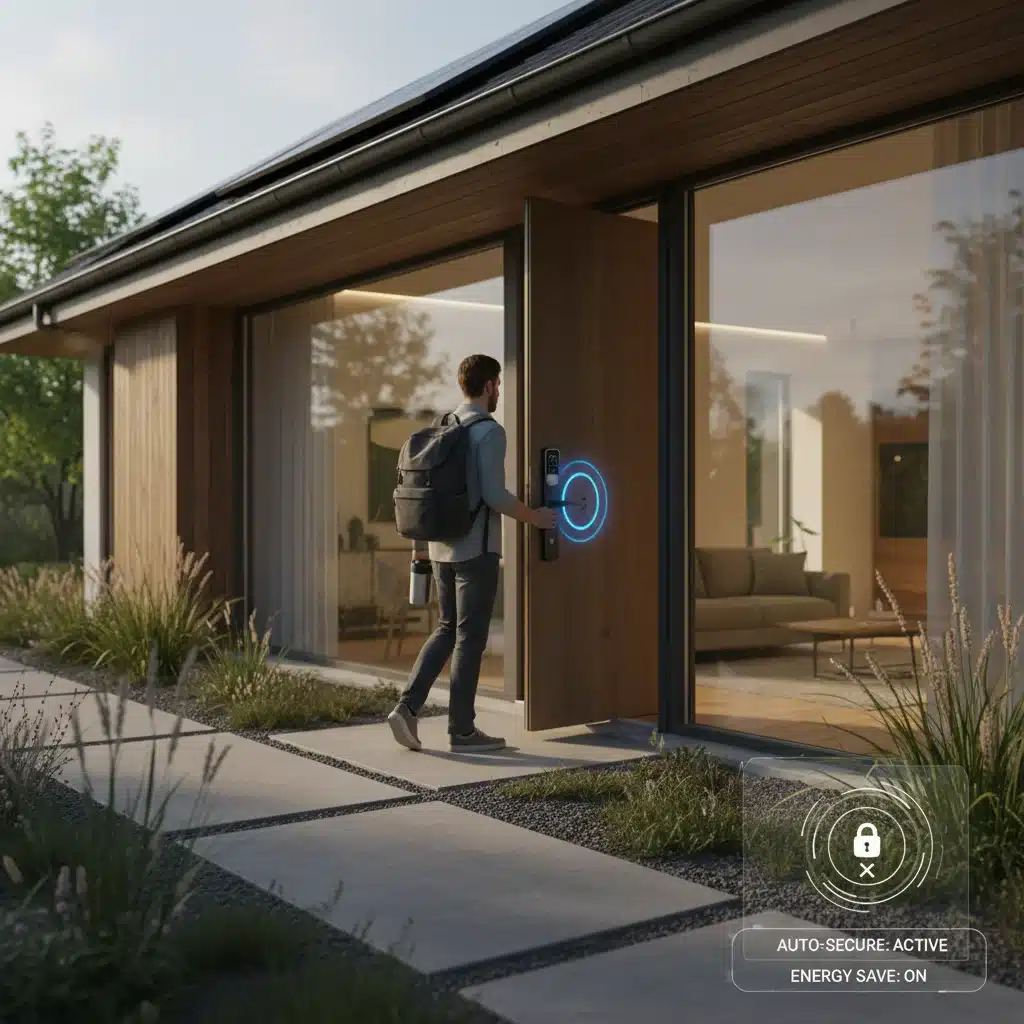
- ‘Leaving Home’ Scene: A single voice command or button press can lock all doors, turn off all lights, arm your security system, adjust the thermostat to an energy-saving mode, and even close smart blinds.
- ‘Welcome Home’ Scene: As your car approaches (geofencing) or you unlock the smart door, lights can turn on, the thermostat can return to a comfortable temperature, and your favorite playlist can start.
Time Saved Daily: 5-10 minutes (no double-checking locks, lights, thermostat; immediate comfort). Over a month, that’s 2.5-5 hours.
Evening & Nighttime Routines: Winding Down with Ease
Automating your evening can help you relax and ensure a secure night:
- ‘Goodnight’ Scene: Similar to ‘Leaving Home,’ a command can lock all doors, turn off all lights (except perhaps a dim nightlight), arm the security system, and set the thermostat for sleep.
- Automated Exterior Lighting: Motion-activated lights can illuminate pathways, and scheduled lights can deter intruders.
Time Saved Daily: 3-7 minutes (no going around checking everything, peace of mind). Over a month, that’s 1.5-3.5 hours.
Household Chores & Maintenance: The Unsung Heroes of Automation
This is where significant time savings often accumulate:
- Smart Cleaning: Robotic vacuums and mops can be scheduled to clean while you’re out or asleep.
- Automated Watering: Smart sprinklers adjust watering based on weather forecasts and soil moisture, saving water and effort.
- Laundry & Dishes: Smart washing machines and dishwashers can be set to run during off-peak energy hours, or send notifications when cycles are complete.
- Pet Care: Automated pet feeders and water dispensers ensure your furry friends are cared for even when you’re busy.
Time Saved Weekly: 1-3 hours (no manual vacuuming, watering, fewer trips to check on laundry). Over a month, that’s 4-12 hours.
By conservatively adding these up, it’s clear that smart home automation can easily save you well over 10 hours monthly, often much more depending on the extent of your setup.
Financial Impact: Beyond Time Savings
The benefits of smart home automation extend far beyond just time. There’s a significant financial upside that often goes overlooked.
Energy Efficiency: Cutting Utility Bills
Smart thermostats are perhaps the most well-known example. They learn your preferences, can be controlled remotely, and can automatically adjust based on occupancy sensors or geofencing. This prevents heating or cooling an empty house. Smart lighting, especially LED bulbs, can be scheduled to turn off when not needed, or dim to save power.
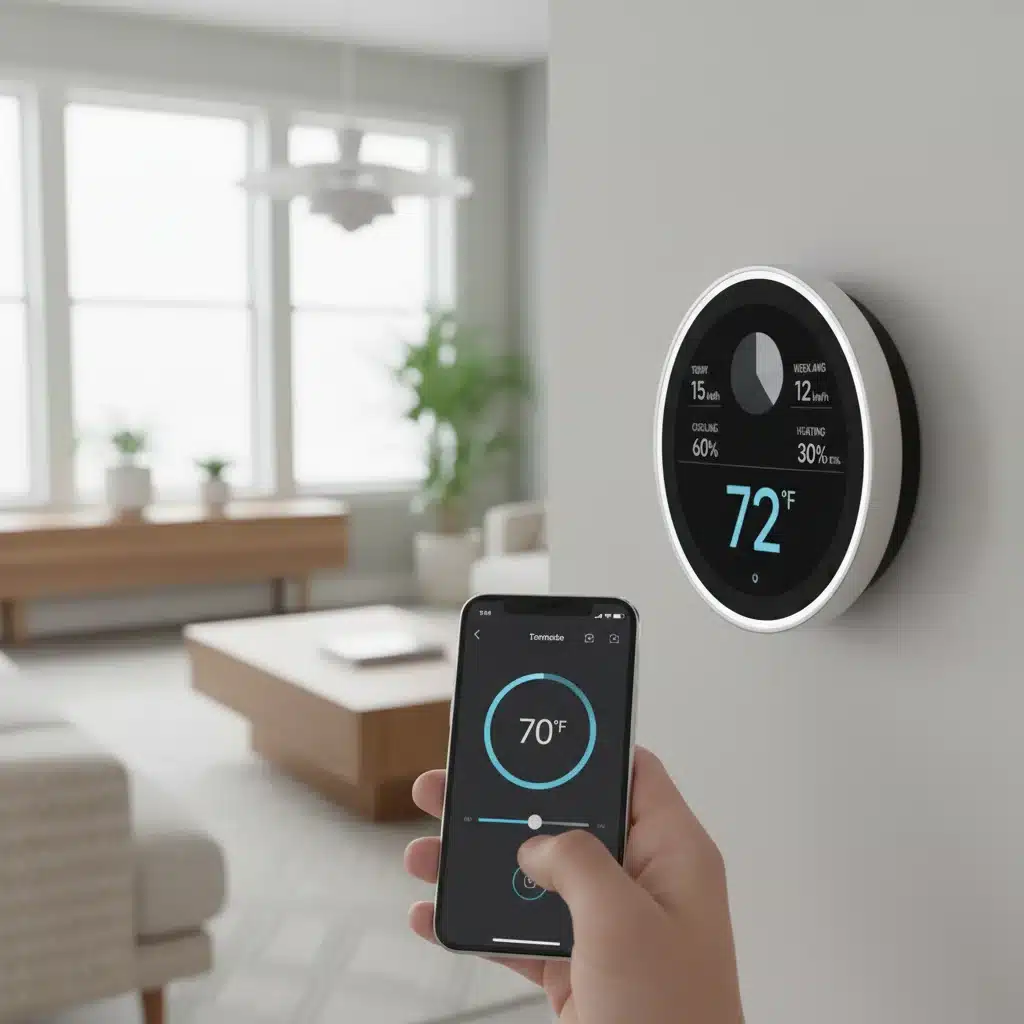
How it saves money: Reduces energy waste, leading to lower electricity and gas bills. Many users report 10-20% savings on heating and cooling costs alone.
Enhanced Security: Protecting Your Assets
A comprehensive smart security system offers peace of mind and tangible financial benefits:
- Deterrence: Visible smart cameras, motion-activated lights, and smart locks deter potential intruders.
- Monitoring: Receive instant alerts on your phone if a door opens unexpectedly, motion is detected, or a smoke alarm goes off.
- Insurance Savings: Many home insurance providers offer discounts for homes equipped with smart security systems.
How it saves money: Prevents theft and damage, potentially lowers insurance premiums, and protects your valuable possessions.
Preventative Maintenance: Avoiding Costly Repairs
Smart sensors can detect issues before they become major problems:
- Water Leak Detection: Sensors placed near water heaters, sinks, or washing machines can alert you to leaks instantly, preventing extensive water damage and costly repairs.
- Smoke/CO Detection: Smart smoke and carbon monoxide detectors integrate with your system, sending alerts to your phone even when you’re away.
How it saves money: Early detection of problems can save thousands in repair costs due to water damage, fire, or other preventable disasters.
Increased Home Value: A Smart Investment
As technology becomes more ubiquitous, homes equipped with advanced smart home automation features are increasingly attractive to buyers. It’s an investment that can pay off when you decide to sell.
How it saves money: Potentially increases resale value and makes your home more marketable.
Getting Started with Smart Home Automation: A Step-by-Step Guide
The world of smart home automation can seem daunting, but it doesn’t have to be. Start small and expand as you get comfortable.
Step 1: Define Your Needs and Goals
What problems are you trying to solve? Do you want to save energy, enhance security, simplify daily routines, or all of the above? Prioritize your most pressing needs. For example, if energy bills are high, start with a smart thermostat and smart lighting. If security is a concern, begin with smart locks and cameras.
Step 2: Choose Your Ecosystem or Hub
This is a crucial decision as it dictates compatibility. Popular ecosystems include:
- Amazon Alexa: Excellent for voice control and a wide range of compatible devices.
- Google Home/Assistant: Similar to Alexa, with strong integration into Google services.
- Apple HomeKit: Known for its robust security and privacy features, but with a more curated (and sometimes pricier) selection of devices.
- Samsung SmartThings: A versatile hub that supports multiple communication protocols (Zigbee, Z-Wave) for deeper automation.
- Hubitat Elevation: Favored by advanced users for local processing and enhanced privacy.
Consider which platform you already use or which aligns best with your existing devices and technical comfort level.
Step 3: Start with Essential Smart Devices
Don’t try to automate everything at once. Begin with a few key devices that address your primary goals:
- Smart Lighting: Philips Hue, Lutron Caseta, or smart switches.
- Smart Thermostat: Nest, Ecobee, or Honeywell Home.
- Smart Locks: August, Schlage Encode, or Yale Assure.
- Smart Speakers: Amazon Echo, Google Nest Hub.
Step 4: Install and Connect Your Devices
Most modern smart devices are designed for easy DIY installation. Follow the manufacturer’s instructions to connect them to your Wi-Fi network and central hub.
Step 5: Create Simple Automations
Begin with basic ‘if-then’ rules. For example:
- ‘If it’s sunset, then turn on the porch light.’
- ‘If I leave home (geofencing), then set the thermostat to 68°F.’
- ‘If motion is detected in the hallway at night, then turn on the hallway light to 10% brightness.’
Step 6: Expand and Optimize
As you become more comfortable, gradually add more devices and create more complex routines. Explore advanced features like:
- Scenes: A single command that triggers multiple actions (e.g., ‘Movie Night’ scene dims lights, closes blinds, turns on TV).
- Sensors: Integrate motion, contact, temperature, and humidity sensors for more intelligent automations.
- Voice Control: Leverage your smart speaker for hands-free control.
- Third-Party Integrations: Use services like IFTTT to connect devices and services that don’t natively communicate.
Advanced Smart Home Automation Strategies for Maximum Impact
Once you’ve mastered the basics, consider these advanced strategies to truly maximize your time and financial savings through smart home automation.
Conditional Logic and Complex Routines
Move beyond simple ‘if-then’ statements to routines with multiple conditions. For example:
- ‘IF it’s between 10 PM and 6 AM AND motion is detected in the bathroom, THEN turn on the bathroom light to 5% brightness for 5 minutes, BUT ONLY IF the main bedroom light is off.’ This prevents blinding yourself in the middle of the night.
- ‘IF the garage door is open for more than 10 minutes AND it’s after 9 PM, THEN send a notification to my phone AND flash the exterior lights.’
These complex rules require a more capable hub (like SmartThings, Home Assistant, or Hubitat) but offer unparalleled control and efficiency.
Energy Load Management
Beyond just turning things off, intelligent smart home automation can manage your energy load to take advantage of peak and off-peak electricity rates. Smart plugs can be used to schedule high-draw appliances (like electric water heaters or EV chargers) to operate during cheaper hours.
Example: ‘IF electricity rates are off-peak (e.g., 1 AM – 5 AM), THEN start the washing machine and dishwasher.’ This requires integration with your utility provider’s smart meter data or a manually updated schedule.
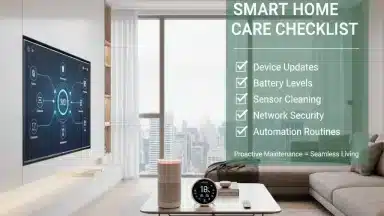
Proactive Maintenance Alerts
Integrate smart sensors to provide proactive alerts for potential issues:
- HVAC Filter Reminders: Based on runtime, your system can remind you to change filters.
- Appliance Malfunction: Some smart appliances can report diagnostic codes, allowing you to troubleshoot or schedule service before a complete breakdown.
- Pipe Freeze Protection: Temperature sensors in critical areas (e.g., basements, crawl spaces) can alert you if temperatures drop too low, preventing burst pipes.
Personalized Wellness Automation
Your smart home can contribute to your well-being:
- Air Quality Monitoring: Smart air purifiers can activate when indoor air quality drops.
- Soundscapes: Create relaxing sound environments at specific times or based on your mood.
- Circadian Lighting: Lights that automatically adjust their color temperature throughout the day to support your natural sleep-wake cycle.
Overcoming Challenges in Smart Home Automation
While the benefits are immense, there can be challenges:
- Compatibility Issues: Not all devices work seamlessly together. Research carefully before purchasing.
- Learning Curve: Advanced automations can take time to set up and fine-tune.
- Privacy Concerns: Be mindful of the data collected by smart devices and choose reputable brands.
- Internet Dependency: Many systems rely on a stable internet connection. Consider local control options for critical automations.
To mitigate these, start simple, choose a robust ecosystem, and prioritize devices that offer local control capabilities where possible.
The Future of Smart Home Automation
The landscape of smart home automation is constantly evolving. We’re seeing trends towards:
- Matter Standard: A new industry standard designed to improve interoperability between smart devices from different brands. This promises to simplify setup and expand possibilities.
- AI Integration: More sophisticated AI will enable homes to learn and adapt more intelligently, anticipating needs with even greater accuracy.
- Edge Computing: More processing power moving to the devices themselves, reducing reliance on cloud services and enhancing speed and privacy.
- Predictive Maintenance: Systems that can predict device failures or maintenance needs before they occur.
Conclusion: Embrace the Smart Home Revolution
Adopting smart home automation is more than just embracing technology; it’s about investing in a lifestyle of efficiency, comfort, security, and financial prudence. By strategically implementing smart devices and thoughtful automations, you can genuinely reclaim over 10 hours monthly, significantly reduce your utility bills, and enhance your home’s security and value.
Start your journey today, even with a single smart device, and gradually build towards a fully automated, intelligent home that works tirelessly for you. The future is here, and it’s smarter than ever.