

Personalized Environments: 3 Emerging Smart Home Trends Using Adaptive Technology for Optimal Comfort in 2026
The concept of ‘home’ is continuously evolving, transcending mere shelter to become a dynamic, responsive ecosystem tailored to our individual needs. As we look towards 2026, the convergence of advanced technology and human-centric design is giving rise to truly personalized environments. The goal? Unparalleled smart home comfort. No longer are we talking about simple automation; instead, we’re exploring intelligent systems that learn, adapt, and anticipate our desires, creating spaces that feel instinctively right. This article delves into three pivotal trends shaping the future of smart homes, focusing on how adaptive technology is redefining what it means to live comfortably and efficiently.
The Rise of Hyper-Personalized Climate Control and Air Quality
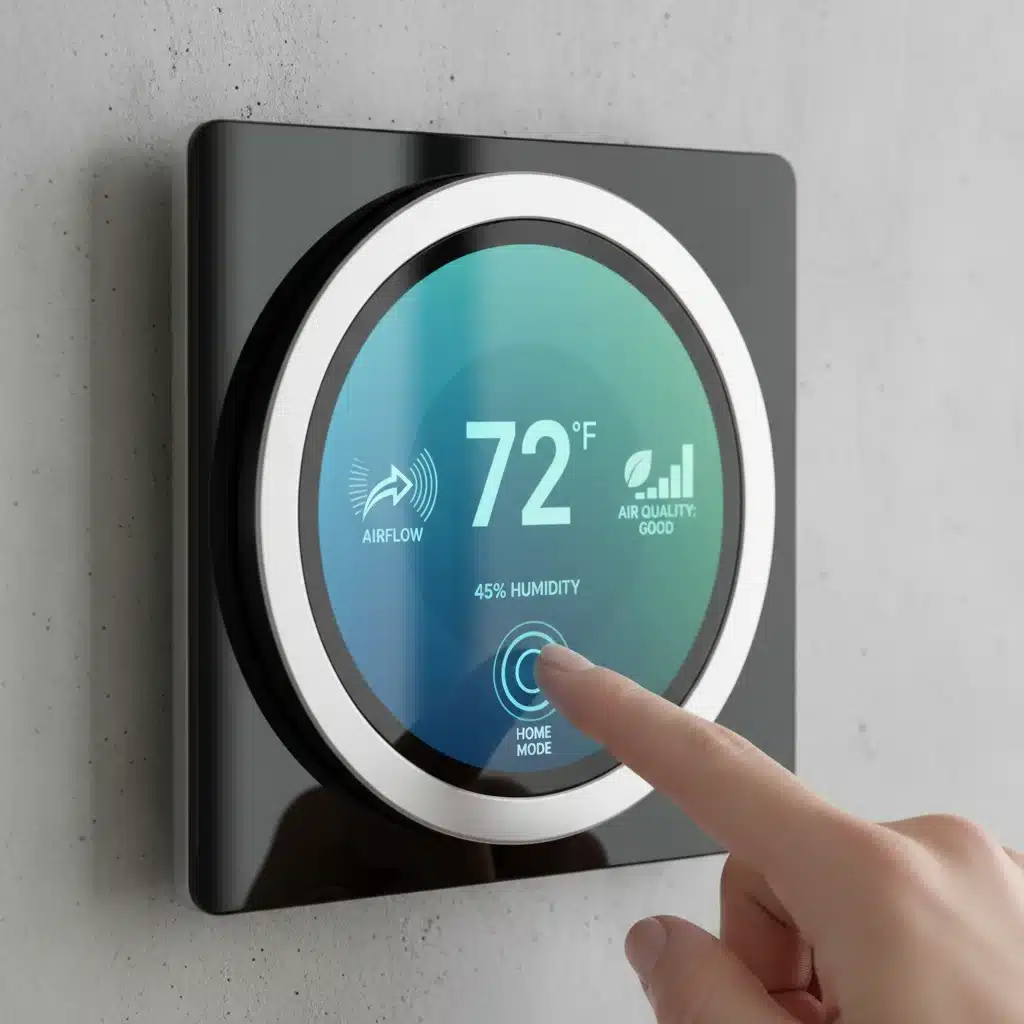
One of the most immediate and impactful areas where adaptive technology is enhancing smart home comfort is in climate control and air quality management. Traditional thermostats, while offering some level of automation, are rudimentary compared to the sophisticated systems emerging. By 2026, we’ll see a widespread adoption of hyper-personalized climate control, moving beyond room-specific temperature to individual zone or even occupant-specific comfort profiles.
Zone-Based and Occupant-Aware Climate Systems
Imagine a home where the living room adjusts its temperature based on the number of people present, their preferred comfort levels, and even their activity. This is the promise of advanced zone-based systems. These intelligent setups utilize an array of sensors – occupancy, thermal, and even biometric (via wearables integration) – to create a real-time thermal map of your home. If one family member prefers a cooler bedroom while another likes it warmer, the system learns and adapts, ensuring optimal smart home comfort for everyone without manual intervention.
Furthermore, these systems won’t just react; they’ll predict. Integrating with weather forecasts, daily routines, and even personal calendars, your home will pre-emptively adjust settings. Leaving for work? The system might slightly reduce heating/cooling to save energy, then begin re-optimizing for your return, ensuring your home is perfectly comfortable the moment you step through the door. This predictive capability is a cornerstone of true adaptive technology.
Advanced Air Quality Management: Beyond Filtration
Beyond temperature, air quality is paramount for health and smart home comfort. Future smart homes will feature integrated air quality management systems that go far beyond simple filtration. These systems will continuously monitor particulate matter (PM2.5, PM10), volatile organic compounds (VOCs), carbon dioxide (CO2), humidity, and even pollen counts (leveraging external data sources). Upon detecting anomalies, the system will automatically activate advanced air purifiers, ventilation systems, or humidifiers/dehumidifiers. For instance, if CO2 levels rise in the kitchen during cooking, the range hood might automatically increase its fan speed, or an auxiliary ventilation system might kick in. If outdoor pollen counts are high, windows might remain sealed while internal air circulation and purification are optimized.
The true innovation lies in the system’s ability to learn your habits and the unique environmental characteristics of your home. It understands when you typically cook, when you have guests, or when seasonal allergies are prevalent, proactively adjusting to maintain pristine air quality. This proactive, adaptive approach ensures a consistently healthy and comfortable indoor environment, reflecting a deeper understanding of smart home comfort.
Seamless Integration of AI and Machine Learning for Intuitive Living
The second major trend is the deeper integration of Artificial Intelligence (AI) and Machine Learning (ML) into the very fabric of our homes, moving us closer to truly intuitive living spaces. This isn’t just about voice assistants; it’s about a central intelligence that orchestrates all aspects of your home to maximize smart home comfort and efficiency, learning from your interactions and preferences over time.
Predictive Automation and Behavioral Learning
AI-powered smart homes in 2026 will be defined by their ability to predict and anticipate needs. Imagine your home understanding your morning routine: as your alarm goes off, the bedroom lights gradually brighten with a warm hue, the coffee machine starts brewing, and your favorite news podcast begins playing softly in the kitchen. This isn’t pre-programmed; it’s learned behavior. The AI observes patterns in your daily life – when you wake up, when you leave, when you return, what media you consume at certain times, and even your mood (potentially via subtle cues from smart devices or biometric data).
Over time, the system builds a comprehensive profile of your preferences, not just for individual devices but for entire scenarios. For example, if you consistently dim the lights and play calming music after a long day, the AI will begin to suggest or even automatically initiate a ‘relaxation mode’ when it detects you’ve just arrived home and your stress levels (measured by a wearable) are elevated. This level of predictive automation transforms a house into a truly responsive partner in your daily life, significantly enhancing smart home comfort.
Contextual Awareness and Natural Interaction
Beyond prediction, AI will enable homes to be far more contextually aware. This means the system understands not just what you want, but why you want it, based on a broader understanding of your environment and activities. For example, if you say, ‘It’s a bit dark in here,’ the AI won’t just turn on a light; it will consider the time of day, the amount of natural light entering the room, the activity you’re engaged in (e.g., reading vs. watching a movie), and then adjust multiple lighting sources (main lights, accent lights, smart blinds) to create the optimal ambiance for that specific context, optimizing for smart home comfort.
Natural language processing will reach new heights, allowing for more conversational and less command-based interactions. You won’t need to remember specific phrases or device names. The AI will understand nuanced requests and even interpret non-verbal cues. This seamless, almost invisible interaction makes technology recede into the background, allowing residents to simply exist in a perfectly optimized space.
Wellness-Centric Automation and Biometric Integration
The third major trend is the pivot towards wellness-centric automation, where the smart home actively contributes to the physical and mental well-being of its occupants. This involves sophisticated integration with biometric data and the creation of environments designed to promote health, sleep, and overall vitality, all contributing to superior smart home comfort.
Circadian Lighting and Sleep Optimization
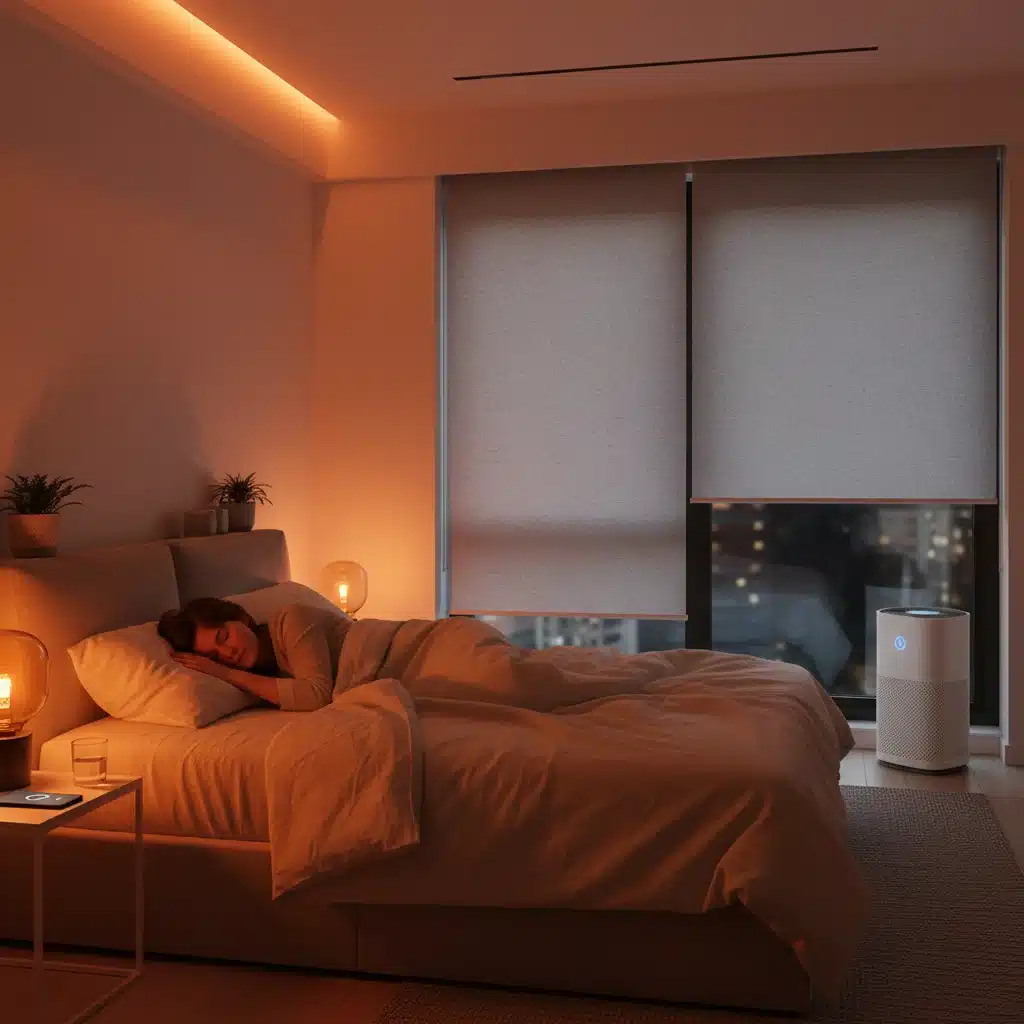
One of the most significant advancements in wellness-centric smart homes is the widespread adoption of circadian lighting systems. These systems mimic the natural light cycles of the sun, adjusting color temperature and intensity throughout the day. Bright, cool-toned light in the morning helps with alertness and productivity, while warmer, dimmer light in the evening promotes melatonin production, aiding sleep. By 2026, these systems will be standard, working in concert with smart blinds and natural light sensors to create an optimal light environment that supports your natural sleep-wake cycle, a critical component of <span style="font-weight: bold="smart home comfort".
Beyond lighting, smart homes will integrate with wearables and sleep trackers to optimize the bedroom environment for restful sleep. If your tracker detects you’re having trouble falling asleep, the system might subtly adjust the thermostat by a degree, play white noise, or even diffuse calming essential oils. Waking up will be gentler, with light slowly increasing and soft sounds easing you into the day, rather than an abrupt alarm.
Personalized Wellness Zones and Environmental Therapies
Future smart homes will feature personalized ‘wellness zones’ – areas of the home designed to support specific well-being activities. This could be a meditation corner with pre-programmed lighting and soundscapes, a home gym with dynamic lighting to boost energy during workouts, or a bathroom that transforms into a spa-like retreat with steam, aroma diffusion, and soothing visuals. These zones leverage adaptive technology to create immersive experiences tailored to individual needs and preferences.
Environmental therapies will also become more common. This includes smart diffusers that release stress-reducing aromas based on detected stress levels, sound systems that generate binaural beats for focus or relaxation, and even smart mirrors that offer personalized guided meditations or virtual fitness routines. The home becomes an active participant in maintaining and improving your well-being, elevating the concept of smart home comfort to encompass holistic health.
Challenges and Considerations for the Future of Smart Home Comfort
While the future of smart home comfort looks incredibly promising, several challenges and considerations must be addressed for these trends to reach their full potential. These include data privacy, cybersecurity, interoperability, and the digital divide.
Data Privacy and Cybersecurity
As homes become more intelligent and collect vast amounts of personal data – from sleep patterns and health metrics to daily routines and preferences – the importance of data privacy and robust cybersecurity cannot be overstated. Consumers will demand transparency in how their data is collected, stored, and used. Manufacturers and service providers must implement end-to-end encryption, regular security audits, and clear consent mechanisms. The potential for misuse of such intimate data necessitates strong regulatory frameworks and ethical design principles. Ensuring the sanctity of personal information is crucial for widespread adoption and trust in advanced smart home comfort systems.
Interoperability and Standardization
The current smart home market is fragmented, with numerous platforms and proprietary ecosystems often struggling to communicate seamlessly. For truly personalized environments and optimal smart home comfort, a high degree of interoperability is essential. Initiatives like Matter (an open-source connectivity standard) are crucial steps towards a more unified smart home landscape. By 2026, we anticipate greater standardization, allowing devices from different manufacturers to work together effortlessly, creating a cohesive and truly integrated user experience. Without this, consumers face frustrating compatibility issues and limitations in building their ideal smart home.
The Digital Divide and Accessibility
As smart home technology becomes more sophisticated, there’s a risk of widening the digital divide. The cost and complexity of these advanced systems could make them inaccessible to certain demographics, creating a disparity in access to enhanced smart home comfort and efficiency. Manufacturers and policymakers must work together to ensure these technologies are designed with accessibility in mind, offering scalable solutions and affordable options. Furthermore, user interfaces need to be intuitive enough for people of all technological aptitudes to benefit, not just tech-savvy early adopters.
Energy Efficiency and Sustainability
While many smart home features promise energy savings, the cumulative energy consumption of numerous always-on devices, sensors, and AI processors needs careful consideration. Future smart home systems must be designed with sustainability at their core, optimizing energy use not just for comfort but also for environmental impact. This includes integrating with renewable energy sources, sophisticated energy monitoring, and algorithms that prioritize efficiency without compromising smart home comfort. The ‘smart grid’ integration will be key, allowing homes to intelligently manage their energy consumption in response to grid demands and renewable energy availability.
Conclusion: The Future is Intuitively Comfortable
The trajectory of smart home technology towards 2026 clearly points to a future where our living spaces are not just automated, but truly intelligent, adaptive, and deeply personal. The three emerging trends – hyper-personalized climate and air quality, seamless AI and machine learning integration, and wellness-centric automation – are converging to create environments that anticipate our needs, enhance our well-being, and deliver an unprecedented level of smart home comfort. As these technologies mature and become more accessible, our homes will transform from static structures into dynamic partners, intuitively responding to our every desire and fostering a healthier, more relaxed, and more efficient way of life. The promise of a truly personalized environment is within reach, making every moment spent at home an experience of optimal comfort and effortless living.