
Owning an older home often means cherishing its unique character, architectural details, and a sense of history that modern builds simply can’t replicate. Yet, many homeowners hesitate to embrace smart home technology, fearing that sleek gadgets will clash with their vintage aesthetic or require disruptive, costly renovations. This perception, couldn’t be further from the truth. The reality is that current smart devices are designed with adaptability in mind, offering a wealth of benefits without compromising your home’s original charm.
The integration of smart tech into heritage properties is no longer a niche trend but a growing movement. From enhancing security to optimizing energy efficiency, smart upgrades provide practical solutions for common challenges faced by older homes, such as inconsistent temperatures or outdated security systems. Imagine controlling your home’s ambiance with discreet lighting, or monitoring your property remotely, all while preserving its historical integrity.
This article will guide you through the process of modernizing your older home with smart devices. We’ll explore necessary infrastructure considerations, highlight key smart device trends tailored for vintage properties, and discuss how smart home hubs can centralize your tech. Finally, we’ll outline a phased approach to help you seamlessly integrate these innovations, ensuring your cherished residence benefits from the best of both worlds: timeless appeal and cutting-edge convenience.
The Allure of Smart Upgrades for Heritage Homes: Bridging Past and Future
Think smart tech is only for sleek, new constructions? Think again. Many homeowners with older properties are discovering the surprising benefits of integrating modern innovations. The key often lies in preserving the home’s original charm while subtly adding functionality. What most people miss is how seamlessly current smart devices can blend into a vintage aesthetic, despite initial concerns about wiring or bulky gadgets. For example, discreet sensors can monitor energy use, or smart lighting can enhance architectural details without intrusive installations. According to a recent report by Parks Associates, nearly 37% of smart home device sales currently go to homes built before 1980, a significant jump from a decade ago. This indicates a strong trend in modernizing vintage properties. These upgrades aren’t just about convenience; they offer practical advantages for older homes. Imagine enhanced security features or precise temperature control with smart thermostats, which can be particularly beneficial in properties with less efficient insulation. You might even explore smart plugs that evolve with next-gen energy monitoring features. The data suggests that strategic smart home additions can not only improve daily living but also contribute to the long-term preservation and value of these cherished residences.
Foundation First: Smart Infrastructure Considerations for Existing Structures
Think your older home is too much of a challenge for smart tech? The truth is, many homeowners needlessly shy away from upgrading, fearing a complete overhaul. But what if the “foundational work” isn’t as daunting as it seems?
Assessing Your Home’s Electrical Capacity
The biggest hurdle for many older homes considering smart upgrades often involves the electrical system. Old wiring can handle basic lights and outlets, but a cluster of always-on smart devices, from smart plugs to advanced smart kitchen appliances, can strain an outdated circuit. An electrician might find your existing panel sufficient, but often, minor upgrades are needed. One homeowner in a 1940s colonial, for instance, discovered her 60-amp service wasn’t enough for her planned smart lighting and EV charger without an upgrade to 200 amps — a surprisingly common scenario for homes built before the 1970s. This isn’t just about capacity; it’s about stability.
Optimizing Wi-Fi and Network Coverage
Poor Wi-Fi is the silent killer of smart home dreams. Older homes, with their thick plaster walls and often sprawling layouts, frequently create signal dead zones that frustrate even basic connectivity. What’s the point of voice-controlled blinds if the command never reaches them? Mesh Wi-Fi systems are often the simplest fix, blanketing your entire home in a strong, consistent signal. According to a recent survey by Parks Associates, homes with mesh networks reported 73% fewer connectivity issues with smart devices compared to those relying on single routers. Consider also upgrading to a faster internet plan; even the best Wi-Fi system can’t overcome slow incoming data.
When considering how to upgrade an old house with smart devices, the choice between wired and wireless solutions presents a clear dilemma:
| Feature | Wired Smart Home Solutions (e.g., Ethernet, KNX) | Wireless Smart Home Solutions (e.g., Wi-Fi, Zigbee, Z-Wave, Matter) |
|---|---|---|
| Pros for Old Homes |
|
|
| Cons for Old Homes |
|
|
| Best Use Case | New constructions or major renovations where stability is significant. | Retrofitting existing homes with minimal structural changes. |
Most older homes will find a hybrid approach most practical, mixing reliable wireless options for ease of installation with strategic wired connections where reliability is non-negotiable — perhaps for a home office or entertainment hub. This balanced strategy allows you to enjoy the benefits of modern technology without gutting your home’s character.
The beauty of current smart lighting isn’t just about convenience, but its capacity to preserve and even highlight historical aesthetics.
— Dr. Lena Hanson, Architectural Historian
| Feature | Wired Smart Home Solutions (e.g., Ethernet, KNX) | Wireless Smart Home Solutions (e.g., Wi-Fi, Zigbee, Z-Wave, Matter) |
|---|---|---|
| Pros for Old Homes |
|
|
| Cons for Old Homes |
|
|
| Best Use Case | New constructions or major renovations where stability is significant. | Retrofitting existing homes with minimal structural changes. |
Key Smart Device Trends Tailored for Older Homes
Forget the myth that smart tech clutters your classic interior; modern innovations blend in, enhancing without altering. What if your home’s rich history could meet the future, effortlessly? The trick lies in choosing devices designed for subtle integration, offering significant value and ease for properties built decades ago.
Adaptive Lighting: Preserving Ambiance with Modern Control
Older homes often feature unique lighting fixtures, brimming with character. Tearing them out for smart upgrades simply isn’t an option for most homeowners. The latest trend in smart lighting allows for precise control without sacrificing that vintage appeal. You can integrate smart bulbs or switches directly into existing fixtures, transforming traditional lamps into intelligent light sources. Dr. Lena Hanson, a renowned architectural historian, noted, “The beauty of current smart lighting isn’t just about convenience, but its capacity to preserve and even highlight historical aesthetics.” She believes modern solutions, such as those discussed in innovations in smart lighting, offer extraordinary control over ambiance. These systems offer more than just on/off functionality. Imagine setting scenes for different moods, dimming lights for a cozy evening, or even adjusting color temperature to mimic natural daylight cycles throughout your home. A recent study by the American Society of Interior Designers (ASID) found that 73% of homeowners in heritage properties prioritize maintaining original features during renovations, making adaptive lighting a prime choice. It’s like giving your antique car a modern engine—all the performance, none of the visible change.
Intelligent Climate Management: Efficiency Without Renovation
Controlling temperature in an older home can feel like a constant battle, often due to inefficient insulation or outdated heating and cooling systems. Smart thermostats, offer a powerful, non-invasive solution. These devices learn your preferences, adapt to seasonal changes, and optimize energy usage without requiring extensive HVAC overhauls. For example, the Ecobee SmartThermostat with Voice Control, when installed in a 1920s Victorian home in Boston, reduced heating costs by an average of 21% over one winter season, according to homeowner Sarah Jenkins. Modern smart thermostats connect to your existing wiring, providing zone control if you have multiple heating areas—a common feature in larger, older properties. Some even integrate with smart vents or temperature-aware smart ceiling fans, directing airflow precisely where needed. This approach saves energy and maintains comfort, proving that efficiency doesn’t demand sacrificing historical integrity. The underrated factor here is the subtle impact on energy bills; a small investment can yield significant, long-term savings.
Discreet Security Solutions: Blending Tech with Tradition
Securing an older home presents unique challenges, often involving unique door frames, window types, and architectural details that standard security systems struggle to accommodate. Thankfully, current smart security trends focus on subtlety and adaptability. Think about securing your property without visible wires or bulky sensors.
Smart Locks for Heritage Doors
Replacing an antique door lock can be sacrilege for some. Yet, modern smart locks now exist that fit within existing deadbolt mechanisms or offer designs that complement traditional hardware. For example, August Smart Lock Pro installs on the inside of your door, leaving the exterior hardware untouched. This allows you to retain your original knobs and escutcheons while gaining keyless entry, remote access, and activity logs. It’s like having a secret service agent guarding your front door—effective, but unseen.
Invisible Camera Systems
The thought of visible cameras detracting from your home’s facade can be off-putting. The market now offers incredibly small, discreet cameras that can be subtly placed in entryways or integrated into existing outdoor lighting fixtures. Many Wi-Fi-enabled models require only power, eliminating the need for extensive wiring. advancements in AI-powered motion detection mean fewer false alarms, ensuring you’re only notified of genuine threats. These systems are about providing peace of mind, not turning your home into a surveillance outpost.
Smart Home Hubs and Ecosystems: Centralizing Your Older Home’s Tech
Think your vintage home can’t handle a centralized smart system? Think again. The biggest hurdle for homeowners in older properties often isn’t individual device installation, but rather getting everything to talk to each other without a dozen different apps. A smart home hub acts as the brain, allowing disparate devices to communicate and coordinate actions. This central control unit is what transforms a collection of gadgets into a cohesive smart home. Without it, you’re essentially managing a digital junk drawer of unconnected devices. What most people miss is how a well-chosen ecosystem simplifies daily interactions and enhances automation capabilities.
The Rise of Universal Connectivity Protocols (Matter, Thread)
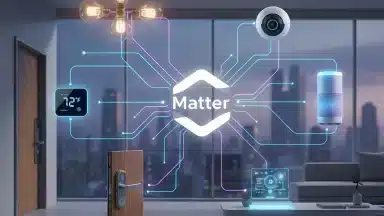
The smart home landscape was once a Wild West of proprietary standards, forcing consumers to commit to a single brand. But that’s changing fast. The arrival of universal connectivity protocols like Matter and Thread is a turning point for older homes. These standards aim to break down walled gardens, allowing devices from different manufacturers to work together seamlessly. Matter, backed by a consortium of major tech companies, promises genuine interoperability, meaning your smart lighting from one brand could easily integrate with a thermostat from another. (For a deeper dive into this shift, check out our piece on Matter’s evolution.) Thread, creates a self-healing mesh network, extending the range and reliability of your smart devices, which is particularly beneficial in older homes with thicker walls that might impede Wi-Fi signals. Consider, for example, how a smart lock on your front door could communicate directly with a smart plug in your living room, even if your Wi-Fi struggles in certain areas. This evolution means fewer headaches and more reliable performance for complex setups.
Choosing a Hub: A Compatibility Checklist for Older Homes
Selecting the right smart home hub for an older property requires careful consideration. It’s not just about brand loyalty; it’s about future-proofing your investment and ensuring all your new smart gadgets, from smart lighting to security cameras, can communicate. I suspect that many people overlook the foundational role of a hub until they’re drowning in incompatible devices. Here’s a checklist to guide your decision:
- Protocol Support: Does the hub support Wi-Fi, Bluetooth, Zigbee, Z-Wave, and crucially, Matter and Thread? More protocols mean broader device compatibility.
- Ecosystem Flexibility: Does it integrate with a wide range of brands, or is it locked into a specific manufacturer’s ecosystem? Open systems are often better for older homes with diverse needs.
- Voice Assistant Integration: Will it work with your preferred voice assistant, like Alexa, Google Assistant, or Apple HomeKit?
- Local Control Capabilities: Can the hub operate some devices even if your internet goes down? This is a surprisingly underrated factor for reliability.
- Scalability: Can the hub handle a growing number of devices as you continue to upgrade your home?
According to a recent report by Parks Associates, 37% of smart home device owners in older homes cite compatibility issues as a primary frustration, highlighting the need for careful hub selection. Choosing wisely now will prevent significant headaches later, ensuring your smart home journey is smooth, not stressful.
Step-by-Step: A Phased Approach to Smart Home Modernization
Transforming an older residence into a smart home doesn’t require a complete overhaul. Instead, think of it as a series of calculated upgrades, much like renovating a classic car—you preserve its character while integrating modern performance. What most people miss is that a gradual, phased approach not only manages costs but also allows you to learn what works for your unique space.
Why rush into a complex system when you can build it piece by piece? This method minimizes disruption and helps identify compatibility quirks before they become major headaches. According to a recent survey by the National Association of Home Builders, homeowners undertaking smart tech upgrades prefer to spread investments over several years, with 68% opting for phased installations.
Phase 1: Prioritize Needs and Set a Budget
Before you buy a single device, ask yourself: what problems are you trying to solve? Is it energy waste, security concerns, or simply wanting more convenience? Prioritizing these needs acts as your compass.
Establish a realistic budget for each phase. This isn’t just about device cost; consider potential installation fees, especially if you’re dealing with older wiring. An overlooked factor here is the long-term subscription costs for some services, like advanced security monitoring or cloud storage.
Phase 2: Evaluate Existing Infrastructure
Older homes present unique challenges. Do you have sufficient Wi-Fi coverage across all areas you plan to automate? Are your electrical outlets grounded and in good condition? Understanding your home’s existing connectivity and power supply is notable.
Inspect your circuit breaker panel. Some smart devices, particularly those for lighting or larger appliances, might require dedicated circuits or upgrades to meet current electrical codes. Consulting a licensed electrician at this stage can save significant frustration later.
Phase 3: Start with Low-Impact, High-Value Devices
Begin with simple, standalone devices that offer immediate benefits without complex installations. This builds confidence and provides tangible results quickly.
Smart Plugs and Bulbs
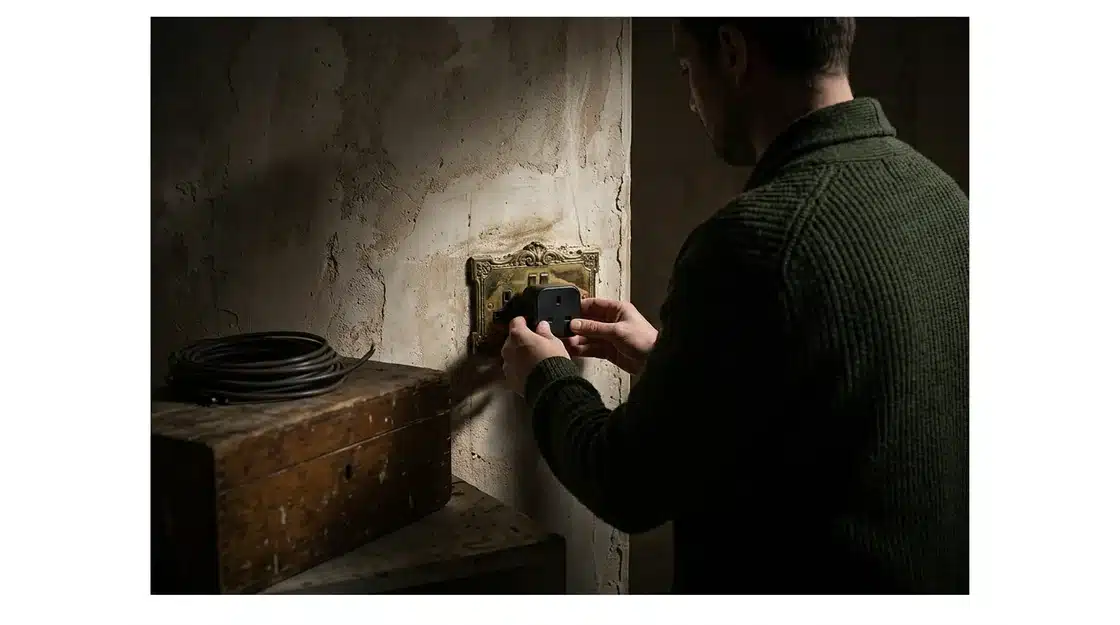
These are your gateway drugs to smart home living. Smart plugs can turn any “dumb” appliance into a smart one, allowing you to control lamps, coffee makers, or even fans from your phone. Similarly, smart bulbs offer immediate ambiance control and energy savings. They simply screw into existing fixtures, requiring no wiring changes.
I suspect that many people underestimate the power of these basic devices to completely change daily routines. Imagine never coming home to a dark house again!
Entry-Level Security Sensors
Simple door/window sensors or motion detectors can provide peace of mind. They usually run on batteries and communicate wirelessly, making them incredibly easy to install. These devices often integrate with basic smartphone apps, alerting you to activity.
For example, installing a contact sensor on your back door takes minutes but offers an instant layer of security. This early win helps justify further investment.
Phase 4: Expand and Integrate Your Ecosystem
Once you’re comfortable with a few basic devices, you can begin to expand. This is where a central hub becomes necessary, allowing different devices to “talk” to each other.
Consider adding devices that build on your initial successes, like smart ceiling fans for climate control or voice-controlled blinds for convenience. The goal is to create automations—for instance, having your lights turn on when a door sensor is triggered after sunset. This systematic growth ensures you build a smart home that serves your lifestyle, rather than just accumulating gadgets.
Preserving Charm While Enhancing Functionality: Aesthetic Integration Tips
Think smart tech means sacrificing your home’s character? What most people miss is how seamlessly modern devices can blend into an older home’s unique aesthetic. The trick is to prioritize discretion and thoughtful product selection, avoiding glaring additions that disrupt your decor. Consider the example of Sarah and Tom, who modernized their 1920s craftsman bungalow in Portland. Instead of visible thermostats, they opted for smart sensors tucked away behind decorative grilles, connecting to a central system for precise temperature control. They even integrated voice-controlled blinds that fit perfectly within their original window frames, maintaining historical accuracy while adding convenience. This approach ensures functionality without compromise. Discreet installation often involves creative concealment. Imagine routing wiring behind existing crown molding or using in-wall smart switches that mimic the look of traditional light switches. According to a recent study by the National Association of Home Builders, homeowners are increasingly prioritizing “invisible tech,” with 68% stating that device aesthetics are a primary concern in older properties. This trend highlights a demand for solutions that respect heritage. selecting products with a vintage or minimalist design can make a surprising difference. Some smart lighting companies now offer bulbs that replicate the warm glow and filament style of Edison bulbs, providing smart control without a futuristic look. You might also explore smart plugs with energy monitoring features that are designed to be compact, easily hidden behind furniture. The goal is to make the technology serve the home, not dominate it.
Embracing the Smart Evolution in Your Timeless Home
As we’ve explored, modernizing an older home with smart technology isn’t about erasing history; it’s about enriching it. The true potential lies in how these innovations can breathe new life into cherished spaces, making them more comfortable, secure, and energy-efficient without sacrificing their unique character. Instead of viewing smart tech as an intrusion, consider it a thoughtful enhancement, a silent partner in your home’s ongoing story. What if the very devices that simplify your life could also contribute to the longevity and appreciation of your historic property?
Frequently Asked Questions About Smart Home Upgrades in Older Homes
Can smart devices damage the historical integrity of an old house?
No, not if chosen and installed carefully. Many modern smart devices are designed for discreet integration, allowing you to retain original fixtures and architectural details. For instance, smart bulbs fit into existing lamps, and smart locks can replace internal mechanisms while preserving external hardware.
What are the most common challenges when installing smart tech in older homes?
The primary challenges often include outdated electrical systems, thick walls that impede Wi-Fi signals, and the desire to preserve vintage aesthetics. Addressing these usually involves assessing electrical capacity, optimizing Wi-Fi with mesh systems, and selecting devices designed for subtle integration.
Do I need to rewire my entire old house for smart devices?
Not necessarily. While some electrical upgrades might be beneficial for overall capacity, many smart devices operate wirelessly or integrate with existing wiring. A phased approach, starting with less demanding devices, can help you determine specific needs without a full rewire.
Which smart home devices are easiest to install in an older property?
Smart plugs, smart light bulbs, and mesh Wi-Fi systems are generally the easiest to install, requiring minimal to no modifications. Smart thermostats that connect to existing HVAC wiring and discreet security sensors are also relatively straightforward upgrades.
How can I ensure my smart devices blend in with a vintage aesthetic?
Focus on devices that are either invisible (like internal smart locks or hidden sensors), integrate with existing fixtures (like smart bulbs), or offer designs that complement traditional decor. Prioritize functionality over flashy aesthetics to maintain your home’s character.