Smart Home Emergency Preparedness: 7 Critical Systems to Install by 2026
Practical Solutions for a Safer Tomorrow, Time-Sensitive Advice
In an increasingly unpredictable world, the concept of home safety has evolved far beyond traditional locks and alarms. We are on the cusp of an era where our homes can actively participate in their own protection, thanks to the rapid advancements in smart home technology. By 2026, integrating smart home emergency systems won’t just be a luxury; it will be a fundamental component of comprehensive emergency preparedness. This guide delves into seven critical smart home systems that every homeowner should consider installing to safeguard their property and loved ones against a myriad of potential threats, from natural disasters to security breaches.
The pace of technological innovation means that what was once science fiction is now readily available and increasingly affordable. Smart devices offer unprecedented levels of monitoring, automation, and remote control, transforming how we respond to emergencies. Imagine a scenario where your home not only alerts you to a potential fire but also automatically shuts off gas lines, unlocks doors for emergency responders, and illuminates escape routes. This level of proactive protection is no longer a distant dream.
Our focus here is on practical, actionable solutions that provide tangible benefits in emergency situations. We’ll explore systems that address a wide range of emergencies, from the common (like power outages and burglaries) to the less frequent but potentially devastating (such as floods and carbon monoxide leaks). The goal is to empower you with the knowledge to create a resilient, responsive, and ultimately safer home environment.
The urgency to adopt these technologies stems from several factors: the increasing frequency and intensity of extreme weather events, the ever-present threat of home invasions, and the desire for greater peace of mind. Investing in smart home emergency systems today is an investment in your future security and well-being. Let’s explore the critical systems that will define emergency preparedness in the coming years.
1. Advanced Smart Smoke and Carbon Monoxide Detectors
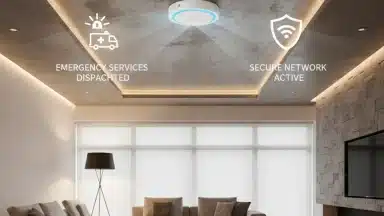
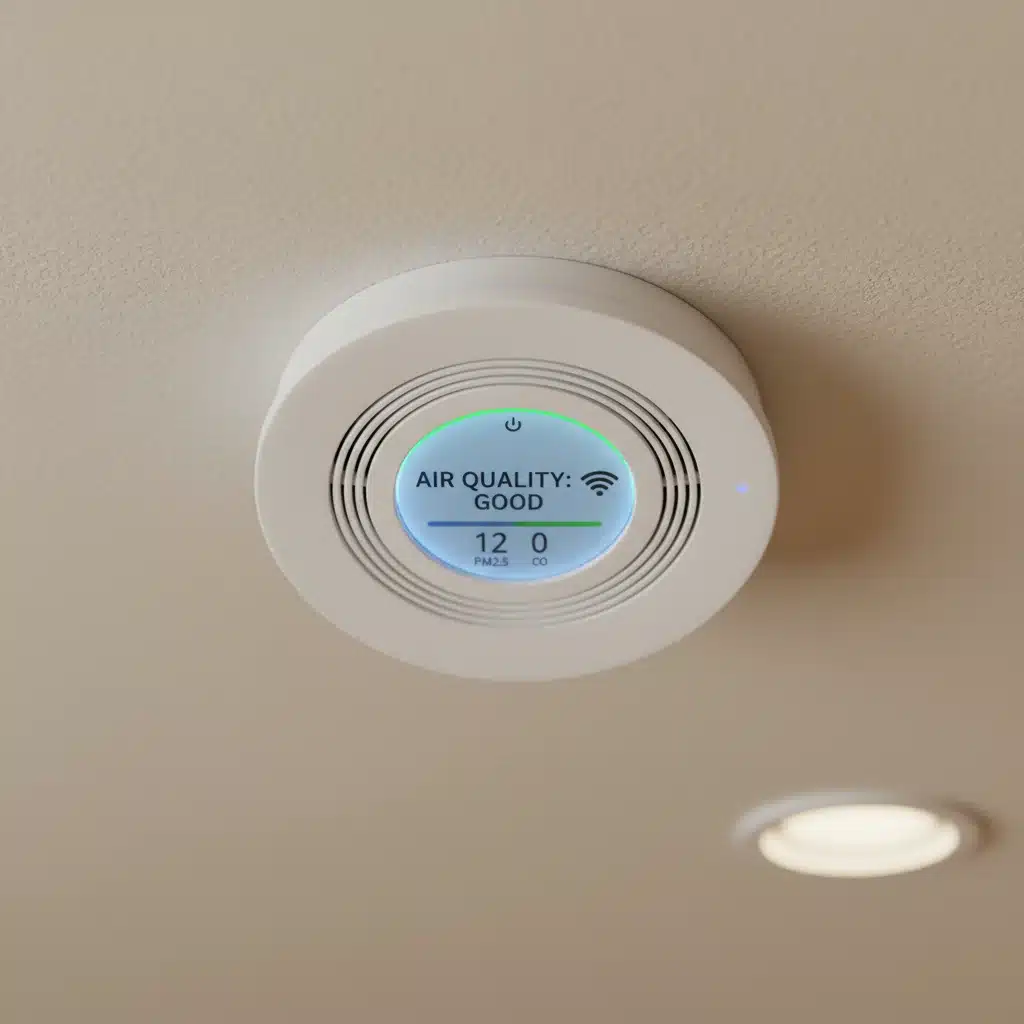
Traditional smoke detectors have been a cornerstone of home safety for decades, but smart smoke and carbon monoxide (CO) detectors elevate this essential protection to an entirely new level. These devices aren’t just loud alarms; they are integrated safety hubs that can provide crucial information and initiate automated responses when danger is detected.
Key Features and Benefits:
- Remote Notifications: Receive instant alerts on your smartphone, no matter where you are, if smoke, fire, or CO is detected. This is invaluable if you’re away from home, allowing you to notify emergency services promptly.
- Interconnected Systems: Smart detectors can communicate with each other. If one detects an issue, all connected detectors can sound the alarm, ensuring everyone in the house is alerted, especially in larger homes.
- Voice Alerts: Many smart detectors offer voice alerts that specify the type and location of the threat (e.g., “Smoke detected in the kitchen!”), providing clearer guidance during a chaotic situation.
- Integration with Other Smart Devices: This is where the true power of smart home emergency systems shines. Upon detecting smoke or CO, these detectors can trigger other smart devices to act:
- Smart lights can flash or illuminate escape routes.
- Smart thermostats can shut down HVAC systems to prevent the spread of smoke or fire.
- Smart locks can unlock doors to facilitate evacuation and allow easier access for firefighters.
- Self-Testing and Battery Monitoring: Forget the annoying low-battery chirps or forgotten test schedules. Smart detectors often perform self-checks and send notifications when batteries need replacement, ensuring continuous operation.
Brands like Nest Protect and First Alert Onelink offer leading solutions in this category, providing reliable detection and seamless integration with broader smart home ecosystems. Installing these by 2026 is a non-negotiable step towards modernizing your home’s fire and CO safety.
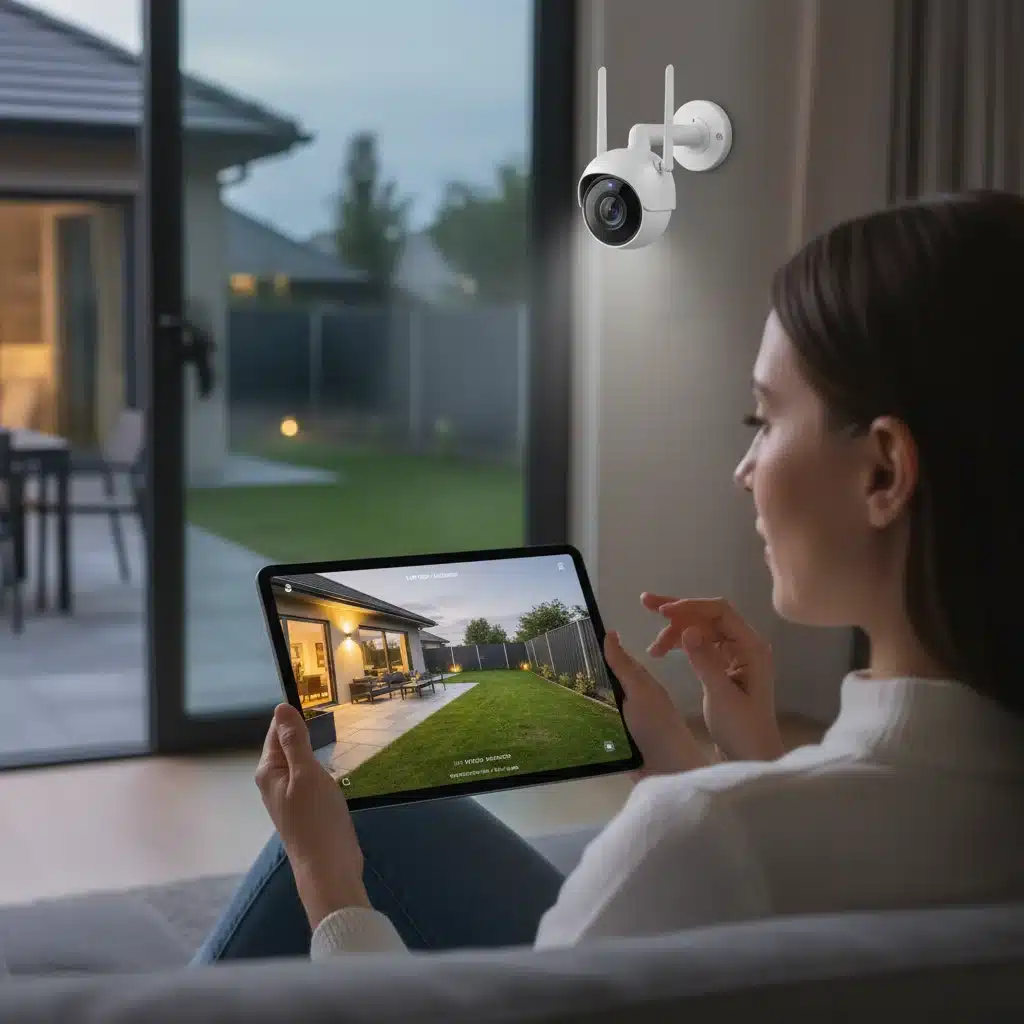
2. Smart Security Cameras and Video Doorbells
Beyond deterring intruders, smart security cameras and video doorbells are vital components of any comprehensive emergency preparedness plan. They offer real-time visual monitoring, which can be critical during a wide range of emergencies.
Key Features and Benefits:
- 24/7 Monitoring and Recording: Keep an eye on your property at all times, with many systems offering cloud storage for recorded footage. This provides valuable evidence in case of a break-in or other incident.
- Motion Detection and Alerts: Receive instant notifications on your phone when motion is detected, often with a live video feed, allowing you to assess the situation immediately.
- Two-Way Audio: Communicate with visitors or potential intruders through your doorbell or camera, even when you’re not home. This can deter package thieves or verify the identity of someone at your door.
- Remote Viewing: Access live camera feeds from anywhere in the world using your smartphone or tablet. This is particularly useful during natural disasters, allowing you to check on your property’s condition.
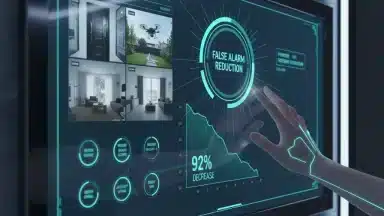
- Integration with Emergency Services: Some advanced systems can be linked directly to professional monitoring services, which can dispatch emergency responders if an alarm is triggered.
- Flood and Storm Monitoring: Outdoor cameras can provide crucial visual information during severe weather, helping you monitor rising water levels or structural damage, contributing to your smart home emergency systems.
Companies like Ring, Arlo, and Google Nest offer a variety of indoor and outdoor cameras and video doorbells with advanced features like facial recognition, package detection, and siren functions. Installing these devices provides an invaluable layer of visual oversight and immediate responsiveness.
3. Smart Water Leak Detectors and Automatic Shut-Off Valves
Water damage is one of the most common and costly home insurance claims. A burst pipe, a leaking appliance, or a faulty water heater can cause extensive damage in a short amount of time. Smart water leak detectors, especially when paired with automatic shut-off valves, offer unparalleled protection against this threat.
Key Features and Benefits:
- Early Leak Detection: Place small, discreet sensors in prone areas like under sinks, near water heaters, in basements, or behind washing machines. These sensors detect even small amounts of water.
- Instant Alerts: Receive immediate notifications on your phone when a leak is detected, allowing you to address the issue before it escalates.
- Automatic Water Shut-Off: The most significant advantage of integrating these into your smart home emergency systems. When a leak is detected, an automatic shut-off valve installed on your main water line can instantly cut off the water supply to your entire home, preventing catastrophic damage.
- Freeze Detection: Some advanced leak detectors also monitor ambient temperature and can alert you if temperatures drop to freezing levels, helping prevent frozen and burst pipes.
- Historical Data: Monitor water usage patterns and identify potential inefficiencies or persistent small leaks over time.
Products from brands like Moen Flo, Phyn, and Honeywell Resideo are leading the charge in smart water management, offering comprehensive solutions that can save homeowners thousands in potential repair costs. Proactive water damage prevention is a critical, often overlooked, aspect of emergency preparedness.
4. Smart Lighting Systems with Emergency Capabilities
Smart lighting is often associated with convenience and ambiance, but its role in emergency preparedness is surprisingly significant. Integrated into your smart home emergency systems, it can provide crucial guidance and visibility during power outages or other crises.
Key Features and Benefits:
- Emergency Illumination: In the event of a power outage, smart lights connected to a backup power source (like a UPS for your smart home hub) or battery-backed smart bulbs can automatically switch on, providing essential light.
- Guided Egress: When integrated with smoke detectors or security systems, smart lights can be programmed to flash or illuminate specific paths, guiding occupants to the nearest exit during a fire or other evacuation scenario.
- Remote Control and Simulation: If you’re away during an emergency, you can remotely control your lights to make it appear as if someone is home, potentially deterring looters after a natural disaster or during a security event.
- Visibility for Responders: Strategically placed smart outdoor lights can be programmed to flash or change color to signal emergency responders to your exact location during a crisis.
- Integration with Voice Assistants: In situations where manual control is difficult, voice commands can be used to activate emergency lighting scenes.
Philips Hue, Lutron Caséta, and other smart lighting platforms offer robust features that can be programmed to respond dynamically to various emergency triggers. Thinking beyond mere convenience, smart lighting becomes a critical safety tool.
5. Uninterruptible Power Supply (UPS) for Smart Home Hubs and Essential Devices
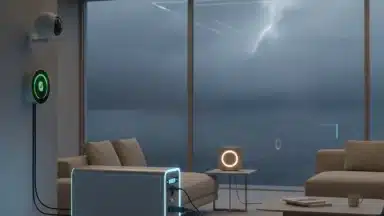
What good are smart home emergency systems if they go offline the moment the power fails? An Uninterruptible Power Supply (UPS) is a crucial, often overlooked, component for maintaining the functionality of your essential smart home devices during power outages.
Key Features and Benefits:
- Continuous Operation of Key Systems: A UPS provides temporary battery power to your smart home hub, Wi-Fi router, and critical security devices (like cameras or smoke detector hubs) when the main power is interrupted.
- Maintaining Connectivity: By keeping your router and hub powered, your smart devices can continue to communicate with each other and with you, ensuring you receive alerts and can maintain remote control.
- Graceful Shutdown: For devices that require it, a UPS can facilitate a graceful shutdown, preventing data corruption or hardware damage that can occur from abrupt power loss.
- Surge Protection: Most UPS units also offer surge protection, safeguarding your valuable electronics from power spikes that can occur when power is restored.
- Extended Monitoring: Depending on the UPS capacity, you can maintain monitoring capabilities for several hours, providing critical oversight during extended blackouts.
While a UPS won’t power your entire home, it ensures that the brains of your smart home—your hub and network infrastructure—remain operational, allowing your emergency systems to function as intended. Consider models from APC or CyberPower for reliable backup power.
6. Smart Weather Stations and Environmental Sensors
Proactive preparedness often hinges on accurate, real-time information. Smart weather stations and environmental sensors provide hyper-local data that can be instrumental in preparing for and responding to severe weather events or environmental hazards.
Key Features and Benefits:
- Hyper-Local Weather Monitoring: Get real-time data on temperature, humidity, wind speed, wind direction, rainfall, and barometric pressure specific to your property.
- Customizable Alerts: Set up alerts for specific conditions, such as high winds, heavy rainfall, or freezing temperatures, allowing you to take action (e.g., secure outdoor furniture, bring in plants) before professional warnings are issued.
- Air Quality Monitoring: Some advanced sensors monitor indoor and outdoor air quality, detecting pollutants, allergens, or even radon, providing crucial health information during events like wildfires or industrial accidents.
- Integration with Smart Home Routines: Integrate weather data into your smart home emergency systems. For example, if high winds are detected, smart blinds could automatically close, or a smart sprinkler system could pause operation.
- Historical Data Analysis: Track weather patterns over time to better understand your local climate and inform long-term preparedness strategies.
Brands like Netatmo and Ambient Weather offer comprehensive smart weather stations that integrate with popular smart home platforms, providing an invaluable early warning system for environmental threats. Knowing what’s happening outside your door, and even inside, is a powerful tool for safety.
7. Smart Locks with Remote Access and Emergency Unlock Features
Smart locks offer more than just keyless entry; they provide enhanced security and critical functionality during emergencies, making them an essential part of your smart home emergency systems.
Key Features and Benefits:
- Remote Locking/Unlocking: Grant access to emergency services or trusted neighbors remotely if you’re not home, or unlock doors for easier evacuation during a fire.
- Temporary Access Codes: Provide temporary, time-sensitive access codes for emergency personnel, caregivers, or contractors without needing to share physical keys.
- Integration with Security and Fire Systems: As mentioned earlier, smart locks can be programmed to automatically unlock when a smoke detector alarm or CO alarm is triggered, facilitating rapid evacuation and entry for first responders.
- Activity Logs: Keep a record of who enters and exits your home, providing valuable information in case of a security incident.
- Tamper Alerts: Receive notifications if someone attempts to tamper with your lock, adding an extra layer of security.
Schlage, August, and Yale are prominent manufacturers of smart locks that offer robust security and smart home integration. The ability to control access to your home remotely and automatically in an emergency can be a lifesaver.
Integrating Your Smart Home Emergency Systems: The Power of the Ecosystem
While each of these smart devices offers significant benefits individually, their true power lies in their ability to communicate and work together as a cohesive ecosystem. This is achieved through a central smart home hub (like Apple HomeKit, Google Home, Amazon Alexa, or a dedicated Z-Wave/Zigbee hub) and automation routines.
Creating Automated Emergency Routines:
- Fire Scenario: Smoke detector detects smoke → All smart lights turn on and flash red → Smart locks unlock → Smart thermostat shuts off HVAC → You receive smartphone alerts.
- Water Leak Scenario: Leak detector detects water → Automatic shut-off valve closes main water line → You receive smartphone alerts → Smart lights in the affected area turn on.
- Security Breach: Security camera detects intruder → Smart siren activates → All smart lights turn on → You receive smartphone alerts → Professional monitoring service is notified.
- Severe Weather Alert: Smart weather station detects extreme conditions → Smart blinds close → Smart thermostat adjusts for optimal indoor climate → You receive a notification to secure outdoor items.
Planning and configuring these routines are crucial steps in maximizing the effectiveness of your smart home emergency systems. It’s not just about having the devices; it’s about making them work intelligently together to protect your home and family.
The Future of Emergency Preparedness: Why 2026 is the Deadline
Why set a deadline of 2026? The next few years will see an exponential growth in the capabilities and affordability of smart home technology. Standards are maturing, ensuring better interoperability between devices. Furthermore, climate change is intensifying, making robust emergency preparedness more critical than ever. The cost of inaction—in terms of property damage, personal safety, and peace of mind—will far outweigh the investment in these systems.
By 2026, homes that lack these integrated smart home emergency systems will be considered significantly less prepared for the challenges of the modern world. Early adoption allows you to familiarize yourself with the technology, refine your routines, and ensure your home is a fortress of safety and resilience.
Considerations Before Installation
While the benefits are clear, a few considerations should be kept in mind:
- Reliable Internet Connection: Most smart devices rely on a stable internet connection. Consider a backup internet option (e.g., a cellular hotspot) for critical systems.
- Power Backup: As discussed, a UPS for your hub and router is essential. For longer outages, consider a whole-home generator or portable power stations for critical appliances.
- Privacy and Security: Choose reputable brands with strong encryption and privacy policies. Regularly update firmware to protect against vulnerabilities.
- Professional Installation: For critical systems like automatic water shut-off valves or complex electrical integrations, consider professional installation to ensure proper functioning.
- Testing: Regularly test your emergency routines and devices to ensure they are working correctly.
Conclusion: Build Your Resilient Smart Home Today
The journey towards a truly resilient and safe home in the face of modern challenges is an ongoing one. However, by prioritizing the installation of these seven critical smart home emergency systems by 2026, you can significantly enhance your home’s ability to withstand and respond to a wide array of emergencies.
From advanced fire and CO detection to proactive water leak prevention, robust security, intelligent lighting, and essential power backup, these systems work in concert to provide an unprecedented level of protection and peace of mind. Don’t wait for a crisis to realize the value of smart preparedness. Start building your safer, smarter home today.
Embrace the future of home safety. Your well-being and the security of your property depend on it.