
Smart Home Fire Safety: Integrating 2026’s Smoke and Carbon Monoxide Detectors with Emergency Services
The landscape of home safety is undergoing a profound transformation, moving beyond simple alarms to sophisticated, interconnected systems. In 2026, the concept of smart home fire safety has evolved dramatically, offering unprecedented levels of protection through advanced smoke and carbon monoxide (CO) detectors that seamlessly integrate with emergency services. This evolution is not just about louder alarms; it’s about intelligent detection, rapid communication, and proactive intervention, fundamentally reshaping how we safeguard our homes and loved ones.
For decades, smoke detectors and CO alarms have been the frontline defense against these silent killers. However, their effectiveness has often been limited by their standalone nature. A blaring alarm might wake you, but what if you’re not home? What if you’re incapacitated? The critical gap between detection and emergency response has been a persistent challenge. Enter the era of smart home technology, where these vital safety devices are no longer isolated but are part of a larger, intelligent ecosystem designed for ultimate peace of mind.
This comprehensive guide will delve into the cutting-edge advancements defining smart home fire safety in 2026. We’ll explore the sophisticated features of next-generation smoke and CO detectors, the mechanisms behind their integration with emergency services, the benefits these systems offer, and what homeowners need to consider when upgrading their safety infrastructure. Prepare to discover how technology is making our homes safer than ever before.
The Evolution of Smoke and Carbon Monoxide Detection
To truly appreciate the advancements in smart home fire safety, it’s crucial to understand the journey of smoke and CO detection. Early smoke detectors relied on ionization or photoelectric sensors, each with their strengths and weaknesses concerning different types of fires. Carbon monoxide detectors, a later but equally critical addition, focused on detecting the odorless, colorless, and deadly gas produced by incomplete combustion.
The first significant leap came with the introduction of interconnected alarms, allowing all detectors in a home to sound simultaneously if one was triggered. This was a vital improvement, ensuring that an alarm in the basement could alert occupants on the top floor. However, these systems still relied on human intervention to contact emergency services.
The advent of smart home technology brought a paradigm shift. Initial smart detectors offered app notifications and remote monitoring. While a step forward, these still required the homeowner to receive the notification, assess the situation, and then manually contact emergency services. The time lag, potential for human error, and dependence on constant connectivity presented opportunities for further innovation.
By 2026, the technology has matured significantly. Modern smart smoke and CO detectors are not just sensors; they are intelligent nodes in a complex network, capable of nuanced environmental analysis, self-diagnosis, and, most importantly, direct, autonomous communication with emergency responders. This level of sophistication is what truly defines advanced smart home fire safety.
Key Technologies Driving 2026’s Smart Detectors
Several foundational technologies underpin the advanced capabilities of 2026’s smart home fire safety systems:
- Multi-Sensor Fusion: Gone are the days of single-purpose detectors. Today’s devices often combine photoelectric, ionization, and electrochemical (for CO) sensors, along with heat sensors, humidity sensors, and even air quality monitors. This multi-sensor approach allows for more accurate detection, fewer false alarms, and the ability to differentiate between various threats (e.g., a smoldering fire vs. burnt toast). Artificial intelligence and machine learning algorithms analyze data from these multiple sensors in real-time, learning patterns and improving detection accuracy over time.
- Edge Computing and AI: Instead of sending all raw data to the cloud for processing, many 2026 smart detectors incorporate edge computing. This means a significant portion of data analysis happens directly on the device itself, reducing latency and improving decision-making speed. AI algorithms on the device can quickly identify anomalies and potential threats, initiating alerts and responses much faster.
- Advanced Connectivity: While Wi-Fi remains a staple, new low-power, long-range wireless protocols like Thread, Matter, and even dedicated cellular IoT (e.g., LTE-M, NB-IoT) are becoming standard. These offer more robust and reliable connections, particularly vital for critical safety devices. Cellular backup ensures that even if home internet is down, the detectors can still communicate with emergency services.
- Voice and Environmental Recognition: Some advanced models are incorporating microphones to detect specific sounds associated with emergencies, such as glass breaking, carbon monoxide alarm chirps from older devices, or even the distinct sound of a smoke detector’s alarm. Environmental recognition can also detect rapid temperature changes, unusual humidity spikes, or even the presence of specific volatile organic compounds (VOCs) that might indicate a problem.
- Self-Diagnosis and Maintenance: Modern smart detectors continuously monitor their own battery life, sensor functionality, and network connectivity. They can proactively alert homeowners to maintenance needs, ensuring the system is always operational. Some even perform automated self-tests and report their status, eliminating the need for manual testing.
These technological advancements contribute to a robust and highly reliable smart home fire safety infrastructure, providing layers of protection that were unimaginable just a few years ago.
Seamless Integration with Emergency Services: The Game Changer
The true revolution in smart home fire safety for 2026 lies in the seamless, automated integration of these intelligent detectors with professional monitoring services and, crucially, directly with emergency dispatch centers. This eliminates the critical time lag and human dependency that often characterize traditional alarm systems.
How it Works:
- Immediate Threat Detection: When a smart smoke or CO detector identifies a genuine threat (confirmed by multi-sensor analysis and AI algorithms), it doesn’t just sound a local alarm.
- Automated Notification to Monitoring Center: The detector immediately sends a detailed alert to a professional 24/7 monitoring center. This alert often includes specific data, such as the type of threat (smoke, CO), the exact location within the home (e.g., “kitchen smoke detector,” “master bedroom CO detector”), and even environmental readings.
- Verification Protocols: Depending on the system and local regulations, the monitoring center may attempt to verify the alarm. This could involve a quick call to the homeowner via a two-way communication feature built into the smart hub or even accessing integrated smart cameras (with homeowner permission) to visually confirm a threat. However, for critical threats like confirmed smoke or high CO levels, direct dispatch is often prioritized to minimize response time.
- Direct Dispatch to Emergency Services: Upon verification or immediate high-priority alert, the monitoring center directly dispatches the appropriate emergency services (fire department, paramedics) with all relevant information. This includes the precise address, the nature of the emergency, and any specific details provided by the smart detectors. This direct line of communication bypasses the need for a homeowner to call 911, potentially saving precious minutes.
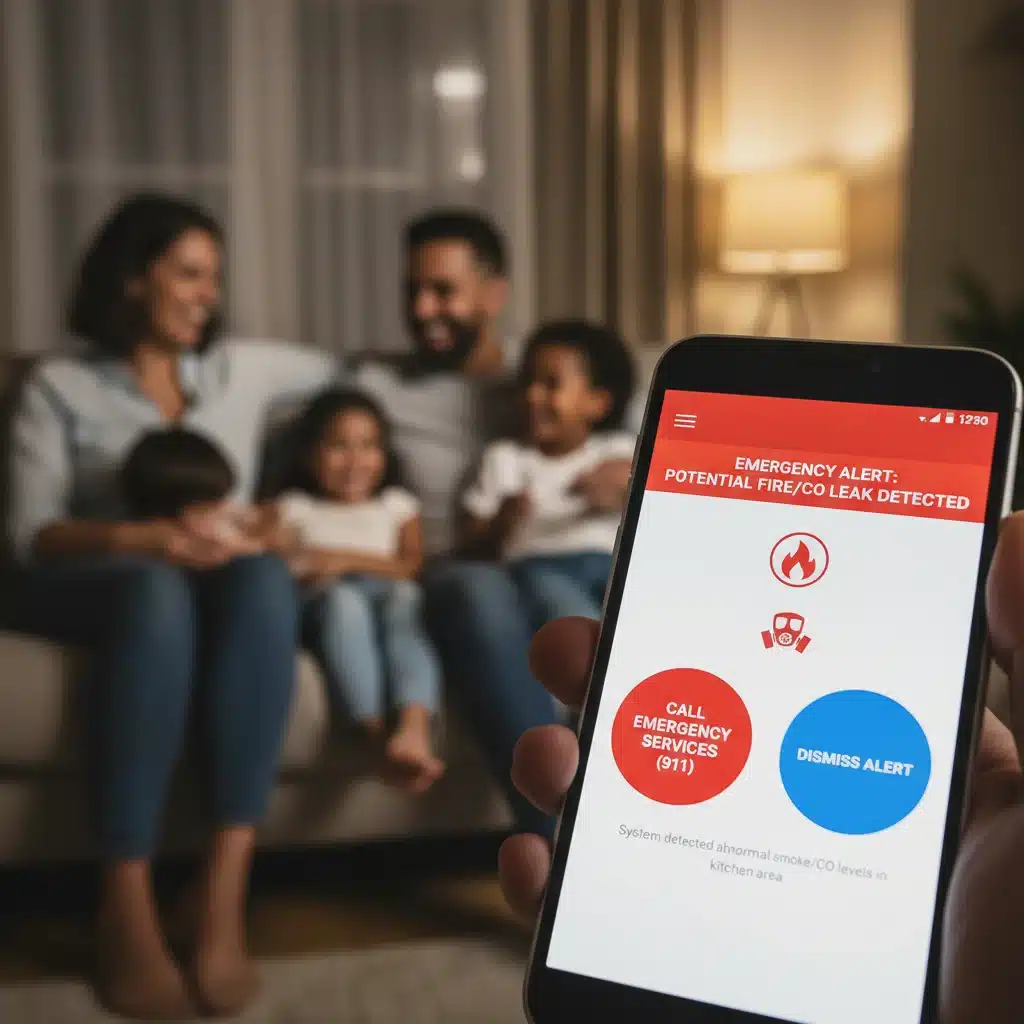
- Homeowner Notification and Guidance: Simultaneously, the homeowner receives instant notifications on their smartphone, smart speakers, and other connected devices, detailing the emergency and the actions being taken. The system might also provide instructions, such as “Evacuate immediately” or “Check carbon monoxide levels.”
This automated, data-rich communication significantly reduces response times, allowing emergency responders to arrive faster and better prepared. For instance, knowing the exact location of a fire within a multi-story home can help firefighters strategize their entry and rescue efforts more effectively. This level of integration is a cornerstone of modern smart home fire safety.
Benefits of Integrated Smart Home Fire Safety Systems
The advantages of upgrading to a 2026-level smart home fire safety system are numerous and impactful:
- Faster Emergency Response: This is arguably the most critical benefit. Automated dispatch significantly cuts down the time between detection and the arrival of emergency personnel, which can be the difference between minor damage and a catastrophic loss, or even life and death in a CO poisoning scenario.
- Enhanced Accuracy and Fewer False Alarms: Multi-sensor fusion and AI reduce the incidence of false alarms triggered by cooking smoke or steam. This not only prevents unnecessary inconvenience for homeowners but also reduces the strain on emergency services, allowing them to focus on genuine emergencies.
- Remote Monitoring and Control: Homeowners can monitor their home’s safety status from anywhere in the world via a smartphone app. They receive instant alerts, can check device status, and even interact with the system remotely.
- Proactive Maintenance Alerts: The self-diagnosis capabilities ensure that detectors are always functioning optimally. Homeowners receive alerts for low batteries or sensor malfunctions, prompting timely replacements or repairs.
- Integration with Other Smart Home Devices: Advanced systems can be programmed to trigger other smart home actions in an emergency. For example, in case of fire, smart lights can flash to guide occupants to exits, smart locks can automatically unlock for emergency access, and HVAC systems can shut down to prevent smoke circulation. This holistic approach significantly boosts overall home safety.
- Detailed Incident Reporting: Smart systems often log detailed event histories, providing valuable data for insurance claims or post-incident analysis.
- Peace of Mind: Knowing that your home is protected by an intelligent, always-on system that can automatically summon help, even when you’re away or incapacitated, offers unparalleled peace of mind.
Choosing Your Smart Home Fire Safety System
With the rapid advancements, selecting the right smart home fire safety system in 2026 requires careful consideration. Here are key factors to evaluate:
- Certification and Standards: Ensure that all detectors meet recognized safety standards (e.g., UL, NFPA). Look for certifications specifically related to smart home integration and emergency service compatibility.
- Professional Monitoring vs. DIY: Decide if you prefer a system with 24/7 professional monitoring and direct emergency dispatch (highly recommended for optimal safety) or a DIY system that only sends alerts to your phone. Professional monitoring services are the backbone of seamless emergency integration.
- Connectivity Options: Prioritize systems with redundant connectivity (Wi-Fi, cellular backup) for maximum reliability. Look for compatibility with open smart home standards like Matter for future-proofing.
- Sensor Types and AI Capabilities: Opt for multi-sensor detectors with advanced AI and machine learning for superior accuracy and fewer false alarms.
- Integration Ecosystem: Consider how well the fire safety system integrates with your existing or planned smart home ecosystem (e.g., Google Home, Amazon Alexa, Apple HomeKit). A unified system offers greater convenience and expanded safety automation.
- Battery Life and Power Source: Evaluate battery life for wireless detectors. Some systems offer hardwired options with battery backup, providing continuous power.
- Installation and Maintenance: Assess the ease of installation. While many smart detectors are DIY-friendly, professional installation might be preferable for complex, hardwired systems. Understand the maintenance requirements and self-diagnosis features.
- Cost: Factor in the initial hardware cost, any subscription fees for professional monitoring, and potential installation costs. While an investment, consider it an investment in safety and peace of mind.
Challenges and Future Outlook
Despite the remarkable progress, the journey of smart home fire safety is not without its challenges. Data privacy and security are paramount concerns, as these systems collect sensitive information about your home environment. Manufacturers are continually enhancing encryption and security protocols to protect user data from cyber threats. Interoperability between different brands and platforms also remains an area of ongoing development, though standards like Matter are making significant strides in this regard.
Looking ahead, 2026 is just a stepping stone. The future of smart home fire safety promises even more sophisticated capabilities:
- Predictive Analytics: AI systems will become even better at identifying potential fire hazards before they escalate, perhaps by detecting subtle changes in electrical loads or unusual heat signatures.
- Drone Integration: In some advanced concepts, internal drones could provide visual confirmation of an emergency to monitoring centers, offering critical real-time information to responders.
- Personalized Evacuation Routes: Smart lighting and audio cues could dynamically guide occupants through the safest evacuation routes based on the fire’s location and spread.
- Integration with Community Infrastructure: Even deeper integration with city-wide emergency networks, allowing for localized alerts and resource allocation based on real-time home data.
The vision is a truly proactive safety network, where homes don’t just react to emergencies but actively prevent them or mitigate their impact with unprecedented efficiency.

Implementing Smart Home Fire Safety in Your Home
For homeowners looking to enhance their safety, the process of implementing a smart home fire safety system in 2026 is more accessible than ever. Start by assessing your current setup. Do you have old, standalone detectors? Are they regularly tested? Understanding your starting point will help determine the scope of your upgrade.
Next, research reputable brands known for their smart safety devices and professional monitoring services. Companies specializing in home security often offer comprehensive packages that include fire and CO detection alongside intrusion alarms. Look for systems that are user-friendly, reliable, and offer robust customer support.
Installation can range from a simple DIY for battery-operated wireless units to professional installation for hardwired systems or those integrated with complex smart home hubs. Many providers offer professional installation as part of their service packages, ensuring that your system is correctly configured and all devices are communicating effectively.
Once installed, regular testing, as recommended by the manufacturer, is still crucial. While smart detectors have self-diagnostic capabilities, periodic manual checks ensure everything is in working order. Familiarize yourself with the mobile app and its features, understanding how to receive alerts, check device status, and interact with the monitoring center if necessary.
Educate all members of your household on the new system. Explain how it works, what to do in case of an alarm, and how to respond to notifications. A smart system is only as effective as the people using it. Consider creating a family emergency plan, including designated meeting spots outside the home, and practice it regularly.
Finally, stay informed about software updates and new features. Like all technology, smart home fire safety systems are continually evolving. Firmware updates often bring improved detection algorithms, enhanced security, and new functionalities. Keeping your system updated ensures you benefit from the latest advancements in home protection.
Conclusion
The year 2026 marks a pivotal moment in home safety, with smart home fire safety systems reaching an unprecedented level of sophistication and integration. The days of simple, isolated alarms are giving way to intelligent networks of smoke and carbon monoxide detectors that communicate directly with emergency services, providing faster response times, greater accuracy, and unparalleled peace of mind. By leveraging multi-sensor fusion, AI, advanced connectivity, and seamless integration protocols, these systems are not just preventing tragedies; they are fundamentally redefining what it means to protect our homes and families.
As technology continues to advance, the future promises even more innovative solutions, moving towards predictive safety and even greater automation. For homeowners, embracing these advancements is not merely an upgrade; it’s an investment in a safer, more secure future. By understanding the capabilities of 2026’s smart fire safety technology and making informed choices, we can all contribute to creating homes that are truly resilient against the threats of fire and carbon monoxide, ensuring that help is always just a detection away.