Smart Home Glitches 2026: Fixes in Under 3 Minutes
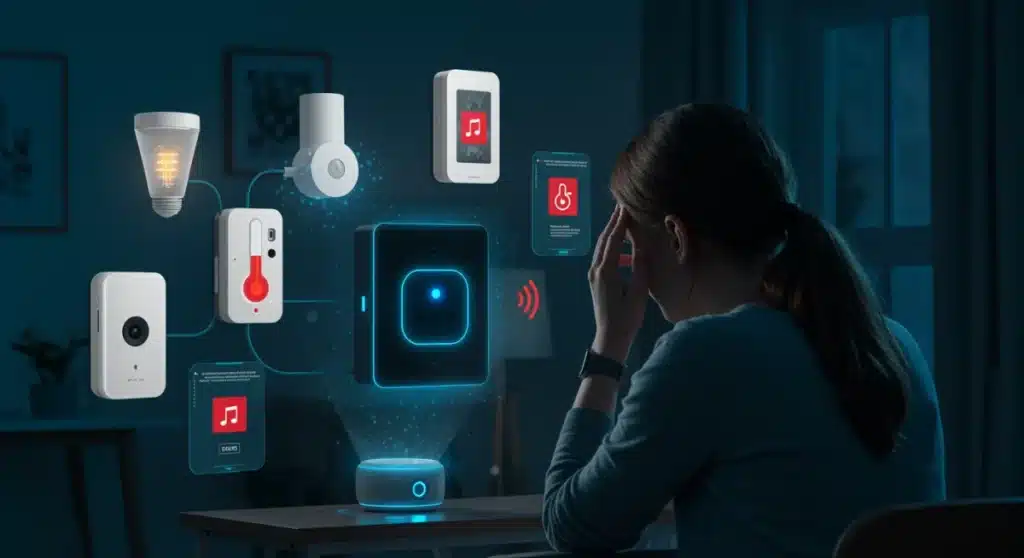
Resolving common smart home glitches in 2026 often involves simple steps like restarting devices, checking network connectivity, or updating software, ensuring minimal disruption to your automated lifestyle.
In the rapidly evolving landscape of connected living, encountering smart home glitches 2026 can be a source of immediate frustration. While smart home technology promises unparalleled convenience and efficiency, occasional hiccups are inevitable. From unresponsive devices to connectivity dropouts and automation failures, these issues can quickly turn a seamless experience into a bewildering one. This comprehensive guide is designed to equip you with the knowledge and practical solutions to diagnose and fix the most common smart home problems in under three minutes, ensuring your intelligent abode remains as smart and reliable as intended.
Understanding the Connected Ecosystem: The Foundation of Smart Home Stability
Before diving into specific fixes, it is crucial to understand the interconnected nature of your smart home. Every device, from your smart thermostat to your voice assistant and security cameras, relies on a robust network and seamless communication protocols. When one component falters, it can create a ripple effect, leading to widespread issues. A foundational understanding of this ecosystem allows for more effective troubleshooting and preventative maintenance.
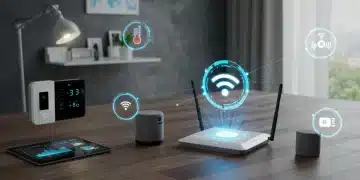
The core of any smart home in 2026 is its network infrastructure. This typically involves a high-speed internet connection, a capable Wi-Fi router, and often a central hub or bridge that facilitates communication between different device standards. Ensuring these fundamental elements are optimized is the first step towards a stable smart home. Consider the age of your router and its ability to handle multiple simultaneous connections, a common bottleneck as smart device counts increase.
Network Health: The Unsung Hero
A healthy network is paramount for avoiding many common smart home glitches. It’s not just about speed; it’s about stability and coverage. Dead zones, interference from other devices, and an overloaded network can all contribute to devices appearing offline or responding slowly. Regular checks of your Wi-Fi signal strength and channel optimization can make a significant difference. Many modern routers offer built-in diagnostic tools that can help identify and mitigate these issues.
- Router Placement: Position your router centrally and away from obstructions to maximize signal coverage.
- Channel Optimization: Use a Wi-Fi analyzer app to find less congested channels for your router.
- Firmware Updates: Keep your router’s firmware updated to ensure optimal performance and security.
- Network Segmentation: Consider creating a separate guest network or a dedicated IoT network to reduce congestion on your primary network.
Understanding the interplay between your internet service provider, your home network hardware, and your smart devices is the initial step in efficient troubleshooting. A strong, stable network minimizes the likelihood of many common smart home glitches, allowing your devices to perform as expected. Regularly reviewing your network settings and hardware can prevent minor annoyances from escalating into major disruptions, keeping your smart home running smoothly.
Connectivity Conundrums: When Devices Go Offline
One of the most frequent and frustrating smart home glitches 2026 is when a device suddenly appears offline or becomes unresponsive. This can range from a single smart bulb refusing to turn on to an entire security system failing to arm. The good news is that many connectivity issues can be resolved quickly, often without needing expert intervention. The key is to approach the problem systematically, checking the most common culprits first.
Often, the simplest solutions are the most effective. Before delving into complex network configurations, always start with a basic power cycle. Just like a computer, many smart devices benefit from a quick reboot to clear temporary software glitches or refresh their network connection. This involves unplugging the device, waiting a few seconds, and then plugging it back in. For battery-powered devices, temporarily removing and reinserting the batteries serves the same purpose.
Troubleshooting Offline Devices
When a device goes offline, it’s essential to determine if the issue is isolated to that specific device or if it’s a broader network problem. If multiple devices are affected, the problem likely lies with your Wi-Fi router or internet connection. If it’s just one device, the focus shifts to the device itself or its connection to the network.
- Check Power: Ensure the device is properly plugged in and receiving power.
- Restart Device: Power cycle the unresponsive device.
- Restart Router: Reboot your Wi-Fi router and modem to refresh network connections.
- Check Wi-Fi Signal: Verify the device is within range of your Wi-Fi network and has a strong signal.
Beyond these immediate steps, consider the device’s specific troubleshooting guide. Many smart home manufacturers provide detailed instructions for resolving common connectivity issues, often accessible through their companion apps or websites. Sometimes, a device might have disconnected due to a temporary network blip and simply needs to be re-added to the network through its setup process. Addressing connectivity problems swiftly ensures your smart home remains fully functional and responsive to your commands, maintaining the convenience you expect.
The Unresponsive Device: Commands Ignored
Imagine telling your smart speaker to turn on the lights, only for it to respond with ‘Sorry, I can’t reach that device.’ Or perhaps your smart lock fails to engage when you issue a command through its app. These unresponsive device scenarios are classic smart home glitches 2026 that can be incredibly frustrating. While often linked to connectivity, unresponsiveness can also stem from software bugs, outdated firmware, or conflicts within your smart home ecosystem.
When a device is connected but not responding to commands, the first step is to isolate the problem. Is it just one command not working, or is the device completely ignoring all input? Try different commands, or attempt to control the device from a different interface (e.g., the physical button, the manufacturer’s app, or a different voice assistant). This helps determine if the issue is with the device’s internal processing or the command delivery system.
Diagnosing Command Failures
If the device is online but unresponsive, consider software and firmware as potential culprits. Manufacturers frequently release updates to improve performance, add features, and fix bugs. An outdated device might struggle to communicate effectively with newer components of your smart home or with updated cloud services.
- Check for Updates: Ensure the device’s firmware and its companion app are up to date.
- Clear App Cache: For app-controlled devices, clearing the app’s cache can resolve communication issues.
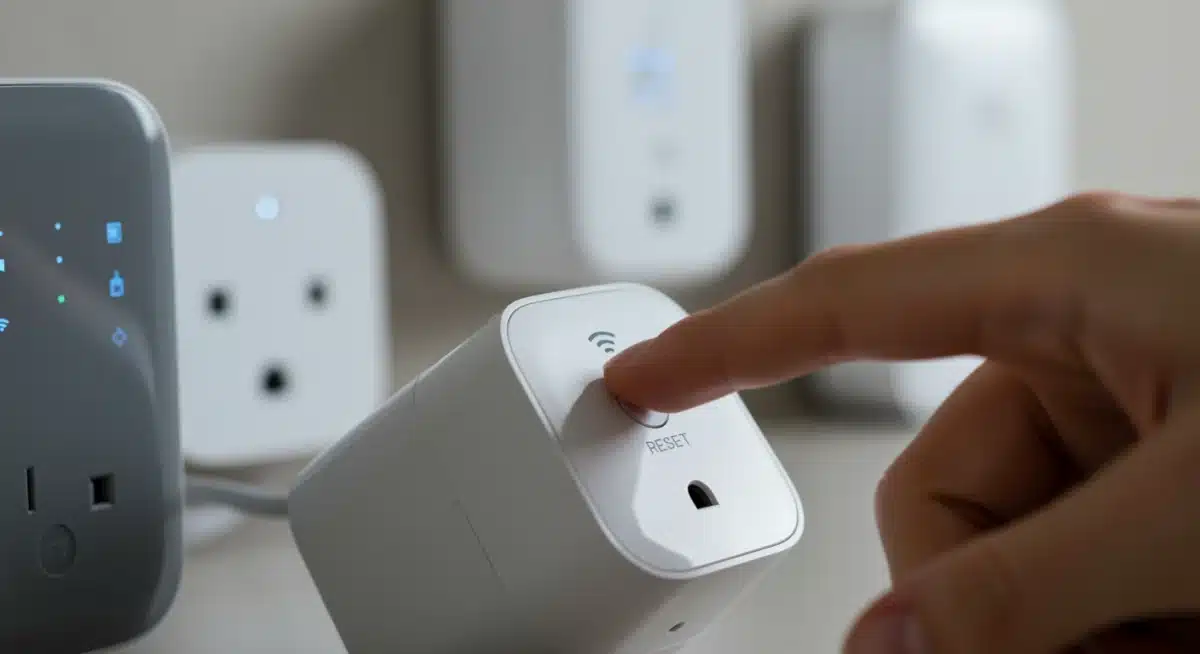
- Re-sync Device: Sometimes, simply removing and re-adding the device within your smart home app can re-establish proper command recognition.
- Factory Reset (Last Resort): If all else fails, a factory reset can often resolve deep-seated software issues, but be prepared to reconfigure the device from scratch.
Addressing unresponsive devices requires a blend of basic troubleshooting and an understanding of software maintenance. By systematically checking for updates, re-syncing connections, and, if necessary, performing a factory reset, you can quickly restore full functionality. This proactive approach ensures your smart home responds reliably to your every command, upholding the promise of effortless control and automation.
Automation Annoyances: When Routines Don’t Run
The true magic of a smart home lies in its automations: lights turning on at sunset, the thermostat adjusting when you leave, or the coffee maker starting as your alarm rings. When these routines fail to execute, it’s a significant smart home glitch 2026 that undermines the very essence of smart living. Troubleshooting automation issues often involves examining the logic of your routines and the status of the devices involved.
Automation failures can be particularly tricky because they involve multiple components working in concert. A routine might fail if a trigger device is offline, an action device is unresponsive, or if the conditions set for the automation are not met. Start by reviewing the specific routine that is failing. Check the conditions, triggers, and actions within your smart home app. Even a small typo or an incorrect setting can prevent a routine from running as intended.
Debugging Smart Routines
Understanding the dependencies within your automations is key to debugging them. If a routine relies on a motion sensor to trigger lights, ensure the motion sensor is online and reporting activity. If it depends on a specific time, verify your hub’s time settings are accurate. Logic errors, such as conflicting routines or impossible conditions, are also common culprits that can be easily overlooked.
- Review Routine Logic: Double-check all triggers, conditions, and actions in the failing routine.
- Verify Device Status: Confirm all devices involved in the automation are online and functioning correctly.
- Check for Conflicts: Ensure no other routines are conflicting with the one that is failing.
- Test Components Individually: Test each device and condition within the routine separately to isolate the point of failure.
By meticulously reviewing your automation settings and ensuring all participating devices are in optimal working order, you can quickly identify and rectify the cause of routine failures. This attention to detail ensures your smart home’s automations fire consistently, delivering the hands-free convenience and intelligent responses you rely on every day. A well-debugged automation system enhances both comfort and efficiency in your home.
Voice Assistant Vexations: When Your Commands Fall on Deaf Ears
Voice assistants like Alexa, Google Assistant, and Siri are central to many smart homes in 2026, offering intuitive control and information at your beck and call. However, when your voice commands are misinterpreted, ignored, or met with an unhelpful response, it represents a frustrating smart home glitch 2026. These issues can stem from a variety of sources, including microphone problems, network latency, or misunderstandings in command parsing.
When your voice assistant isn’t cooperating, begin by assessing the simplest factors. Is the device powered on and connected to the internet? Is its microphone clear and unobstructed? Sometimes, dust or debris can accumulate, affecting microphone sensitivity. Also, ensure you are speaking clearly and at an appropriate distance from the device. Environmental noise can also interfere with accurate voice recognition, so try issuing commands in a quieter setting.
Resolving Voice Recognition Issues
Beyond physical obstructions, voice assistant problems can often be linked to software or network performance. A slow internet connection can cause delays in processing commands, leading to timeouts or incomplete responses. Additionally, the assistant’s understanding of your commands relies on cloud processing, so any disruption in that connection can lead to problems. Regularly checking for updates to your voice assistant’s software and its companion app is also crucial.
- Check Microphone: Ensure the microphone is clean and unobstructed.
- Verify Internet Connection: A stable and fast internet connection is vital for voice processing.
- Rephrase Commands: Try rephrasing your command or using alternative phrases.
- Retrain Voice Model: Many assistants allow you to retrain their voice recognition model for better accuracy.
By systematically addressing microphone health, network stability, and command phrasing, you can significantly improve your voice assistant’s responsiveness and accuracy. A well-tuned voice assistant enhances the hands-free control and convenience that are hallmarks of a modern smart home. Ensuring this central interface functions flawlessly is key to a truly integrated smart living experience, preventing minor frustrations from becoming ongoing issues.
Security System Snafus: Keeping Your Home Protected
For many, smart home security is a primary driver for adopting connected technology. Therefore, when a smart security camera goes offline, a motion sensor fails to detect activity, or an alarm system refuses to arm, these are critical smart home glitches 2026 that demand immediate attention. The reliability of your security system is non-negotiable, and quick troubleshooting is essential to maintain peace of mind.
Security system issues often mirror general connectivity problems but carry higher stakes. Begin by checking the power supply for all security components. Battery-powered sensors may have depleted batteries, while wired cameras might have loose connections. A quick visual inspection of all components can often reveal the simplest causes of malfunction. Always consult the system’s specific app for status indicators, which often provide immediate diagnostic information.
Troubleshooting Security Components
Beyond basic power and connectivity, security system failures can arise from sensor misalignment, interference, or software bugs. A motion sensor might fail if its line of sight is obstructed, or a door/window sensor might not register if the two parts are too far apart. Regular testing of individual components, as recommended by manufacturers, can help catch issues before they become critical. Ensure all firmware for cameras, hubs, and sensors is up to date.
- Check Power/Batteries: Ensure all security devices have adequate power.
- Verify Sensor Alignment: Confirm motion and contact sensors are correctly positioned and aligned.
- Test Components: Periodically test siren, motion, and contact sensors through the system’s app.
- Review Event Logs: Check the security system’s event history for clues about recent malfunctions.
Addressing security system glitches promptly is vital for maintaining your home’s protection. By focusing on power, connectivity, sensor alignment, and software updates, you can ensure your smart security setup remains vigilant and responsive. A reliable smart security system is a cornerstone of modern home safety, and proactive troubleshooting ensures it performs its critical function without fail, offering continuous peace of mind.
| Key Glitch | Quick Fix |
|---|---|
| Device Offline | Power cycle device and router; check Wi-Fi signal. |
| Unresponsive Device | Update firmware/app; clear app cache; re-sync device. |
| Automation Failure | Review routine logic; verify all device statuses; check for conflicts. |
| Voice Assistant Issues | Clean mic; check internet; rephrase commands; retrain voice model. |
Frequently Asked Questions About Smart Home Glitches
Frequent disconnections often indicate poor Wi-Fi signal strength, network congestion, or outdated router firmware. Try repositioning your router, optimizing Wi-Fi channels, or restarting both the device and your router to refresh connections. Ensure your router can handle the number of connected devices in your 2026 smart home setup.
First, check if the bulb is powered on and screwed in correctly. Then, try power cycling the bulb by turning its switch off and on or physically removing it for a few seconds. If it’s still unresponsive, check its connection in the companion app and consider updating its firmware. A factory reset might be necessary as a last resort.
Review the automation’s logic within your smart home app, ensuring all conditions and triggers are correctly set. Verify that all devices involved in the routine are online and functioning. Check for conflicting automations that might be overriding the desired action. Testing each component individually can help pinpoint the failure point.
Ensure the voice assistant device’s microphone is clean and unobstructed. Speak clearly and try different phrasing for your commands. A slow internet connection can also cause issues, so check your network speed. If problems persist, consider retraining your voice model in the assistant’s settings or updating its software.
Regularly update all your smart devices and router firmware. Maintain a strong, stable Wi-Fi network with good coverage. Avoid overloading your network with too many devices. Periodically check device statuses in their respective apps and perform routine reboots of essential hubs and routers to ensure optimal performance.
Conclusion
Navigating the occasional smart home glitches 2026 is an inevitable part of embracing connected living. However, with a systematic approach to troubleshooting and a basic understanding of your home’s digital ecosystem, most issues can be resolved swiftly and efficiently. The key is to start with the simplest solutions, such as power cycling and checking network connectivity, before delving into more complex configurations. By staying proactive with firmware updates, maintaining a robust Wi-Fi network, and understanding the logic behind your automations, you can minimize disruptions and ensure your smart home continues to deliver the convenience, security, and efficiency it promises. Empower yourself with these quick fixes, and keep your intelligent abode running seamlessly.