2026 Smart Home Safety Trends: AI-Powered Surveillance & Anomaly Detection
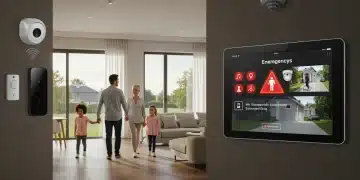
The concept of home security has evolved dramatically over the past decade, moving beyond simple alarms and static cameras to sophisticated, interconnected systems. As we look towards 2026, the landscape of home safety is poised for another revolutionary shift, largely driven by the relentless advancement of Artificial Intelligence (AI). This article delves deep into the paramount Smart Home Safety 2026 trends, focusing on the transformative power of AI-powered surveillance and anomaly detection, and what these innovations mean for the safety and peace of mind of homeowners worldwide.
The future of home security isn’t just about deterring intruders; it’s about creating an intelligent, responsive ecosystem that can anticipate threats, identify unusual patterns, and act autonomously to protect your loved ones and property. This intelligence is increasingly being embedded into every facet of smart home technology, from doorbells and locks to comprehensive surveillance networks. Understanding these trends is crucial for anyone looking to future-proof their home and embrace the next generation of security solutions.
The Rise of AI-Powered Surveillance: Beyond Basic Monitoring
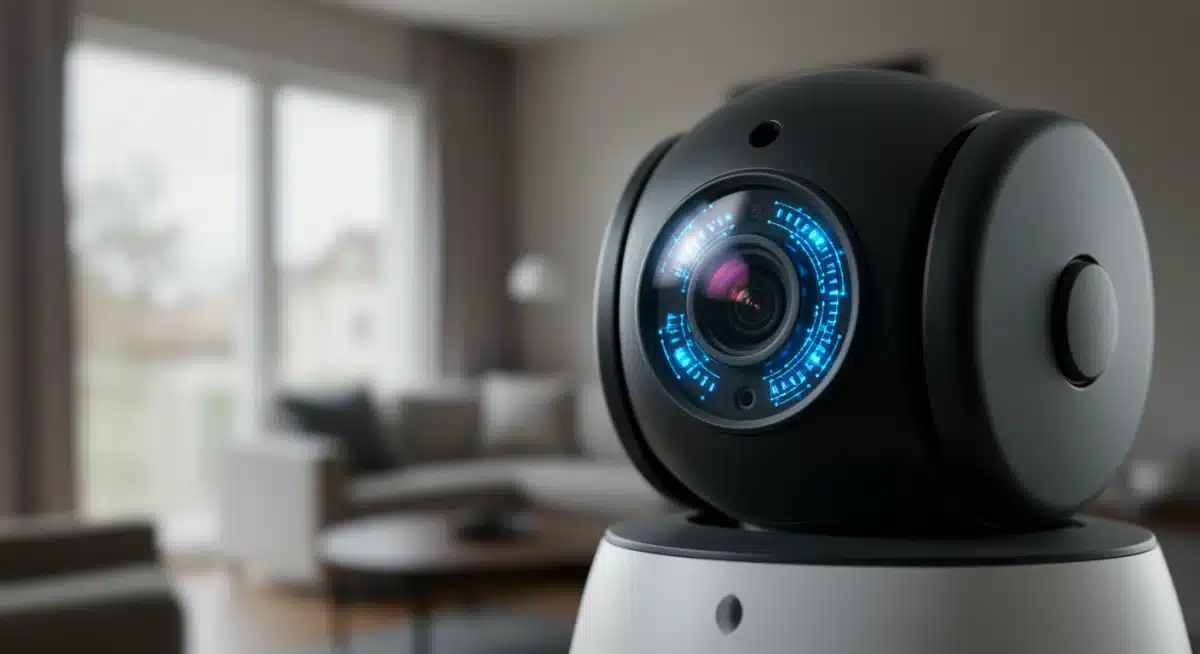
For years, surveillance cameras have been a cornerstone of home security. However, traditional cameras often suffer from limitations: false alarms triggered by pets or shadows, the sheer volume of footage requiring manual review, and the inability to proactively identify threats. Enter AI-powered surveillance, a game-changer in the Smart Home Safety 2026 landscape.
Intelligent Object Recognition and Classification
One of the most significant advancements is AI’s ability to accurately identify and classify objects. No longer will your security system alert you every time a squirrel crosses your lawn. Advanced AI algorithms can differentiate between humans, animals, vehicles, and even specific types of packages. This precision drastically reduces false positives, ensuring that alerts are meaningful and actionable. Imagine a system that can tell you not just that someone is at your door, but that it’s a delivery driver, a familiar neighbor, or an unknown individual, all in real-time.
Behavioral Analysis and Predictive Security
Beyond simple object recognition, AI is now capable of behavioral analysis. This means the system can learn the typical patterns of activity around your home. If a car repeatedly drives by at unusual hours or an individual loiters near your property for an extended period, the AI can flag this as suspicious behavior, even if no explicit ‘intrusion’ has occurred. This predictive capability moves security from reactive to proactive, allowing homeowners to intervene or be alerted to potential threats before they escalate. This is a core pillar of Smart Home Safety 2026.
Facial Recognition and Access Control
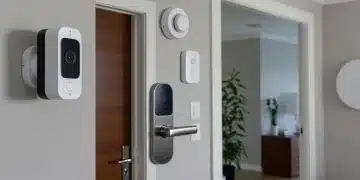
While often raising privacy concerns, facial recognition technology is becoming increasingly sophisticated and integrated into smart home access control. For authorized individuals, it can provide seamless, keyless entry. For unknown faces, it can trigger specific protocols, such as recording high-definition video, sending alerts to the homeowner, or even initiating two-way audio communication. Ethical considerations and robust data encryption are paramount in the deployment of such systems, ensuring they enhance security without compromising privacy.
Anomaly Detection: The Unseen Guardian of Smart Home Safety 2026
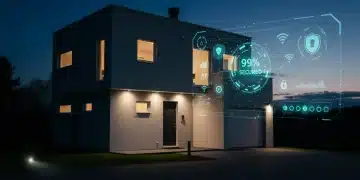
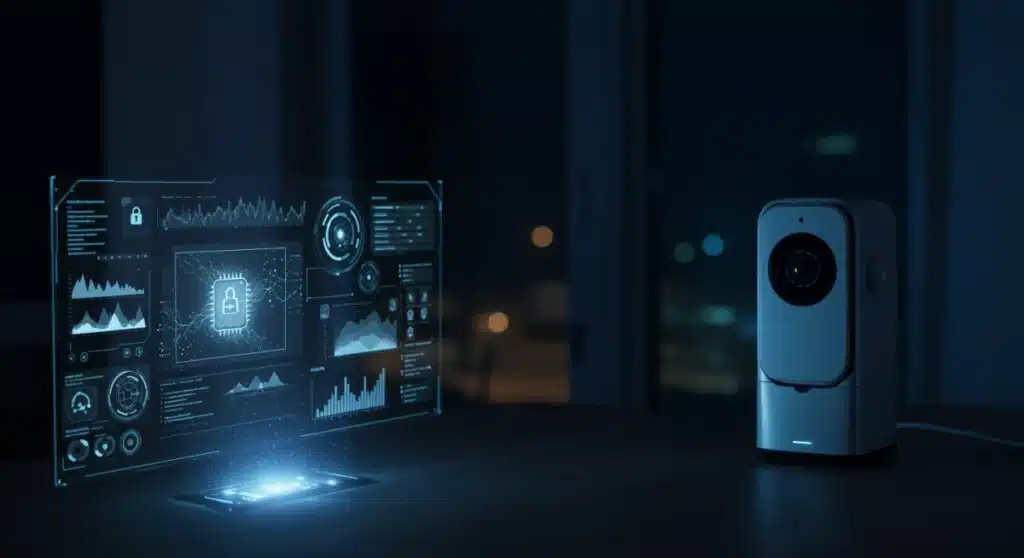
Perhaps the most revolutionary aspect of AI in home security is its capacity for anomaly detection. This goes beyond pre-programmed rules and delves into the realm of machine learning, where systems learn what is ‘normal’ and flag anything that deviates from that established baseline. This is where true intelligence enhances Smart Home Safety 2026.
Learning Your Home’s Unique ‘Normal’
Each home has its own rhythm and routine. AI-powered anomaly detection systems spend weeks, even months, learning these unique patterns. This includes everything from the typical times people enter and exit, the usual sounds within the house, the energy consumption patterns, and even environmental factors like temperature and humidity fluctuations. By building a comprehensive profile of ‘normal’ activity, the system becomes incredibly adept at spotting anything out of the ordinary.
Detecting Subtle Deviations
Anomalies aren’t always dramatic. They can be subtle: a door left ajar for too long, a light turning on in an unoccupied room at an unusual hour, a window sensor reporting an open state when it should be closed, or even a sudden, unexplained drop in temperature. Traditional security systems might miss these nuances, but AI-driven anomaly detection is designed to catch them. This could indicate a forgotten lock, a malfunctioning appliance, or even a nascent security breach.
Beyond Intrusion: Comprehensive Home Monitoring
The scope of anomaly detection extends far beyond just preventing burglaries. It encompasses a broader spectrum of home safety:
- Fire and Carbon Monoxide: AI can analyze smoke detector alarms, differentiate between a burnt toast incident and a genuine fire, and even detect subtle changes in air quality that might precede an alarm.
- Water Leaks and Flooding: Integrated sensors can detect unusual moisture levels or water flow, alerting homeowners to potential leaks before they cause significant damage. AI can learn the typical water usage patterns and flag unusually high consumption.
- Appliance Malfunctions: By monitoring energy consumption and operational sounds, AI can identify irregularities in appliances like refrigerators, HVAC systems, or water heaters, potentially preventing breakdowns or hazards.
- Elderly and Child Monitoring: For families with elderly relatives or young children, anomaly detection can provide peace of mind. Unusual periods of inactivity, unexpected movements, or cries can trigger alerts, enabling prompt assistance.
Interoperability and Ecosystem Integration: The Connected Home
The true power of Smart Home Safety 2026 lies in its interconnectedness. Disparate devices operating in silos are becoming a thing of the past. Future smart homes will feature seamlessly integrated ecosystems where all devices communicate and collaborate to enhance security.
Centralized Control and Unified Alerts
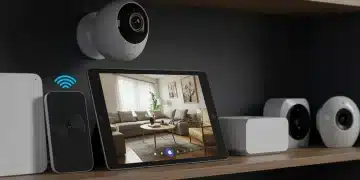
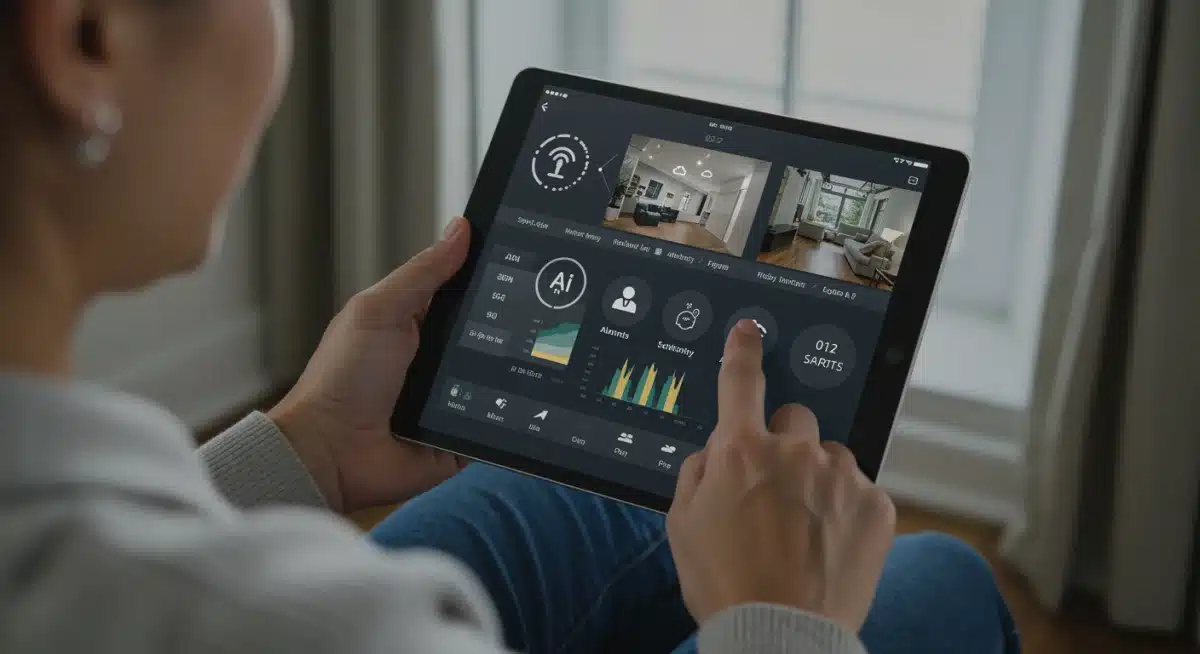
Homeowners will manage their entire security system from a single, intuitive interface – whether on a smartphone, tablet, or smart display. This centralized control provides a holistic view of the home’s security status and allows for unified alerts that provide comprehensive context. For example, if an anomaly is detected, the alert might include video footage, sensor data, and even suggestions for action.
Automated Responses and Routines
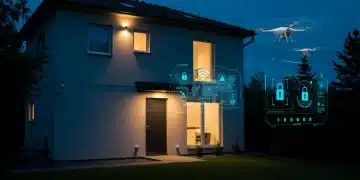
AI-powered systems will enable increasingly sophisticated automated responses. If an unknown person is detected at the front door, the system could automatically lock all other doors, turn on exterior lights, activate a siren, and send a live video feed to the homeowner’s phone and a monitoring service. Similarly, if a smoke detector goes off, the system could automatically unlock doors for emergency services, shut down HVAC systems to prevent smoke spread, and turn on emergency lighting.
Open Standards and Platform Agnosticism
While proprietary ecosystems will still exist, there’s a growing push towards open standards and platform agnosticism. This allows homeowners to mix and match devices from different manufacturers, ensuring greater flexibility and preventing vendor lock-in. This trend will foster innovation and provide consumers with more choice in building their ideal Smart Home Safety 2026 system.
The Role of Edge AI and Privacy in Smart Home Safety 2026
As AI becomes more prevalent, concerns about privacy and data security naturally arise. The industry is responding with advancements in ‘Edge AI’ and robust encryption protocols.
Processing on the Device (Edge AI)
Edge AI refers to the processing of AI algorithms directly on the device itself, rather than sending all data to the cloud. For smart home security, this means that video analysis, behavioral detection, and anomaly identification can happen locally on the camera or hub. This significantly enhances privacy, as sensitive data like facial recognition or detailed behavioral patterns don’t need to leave your home network. It also reduces latency, leading to faster response times, which is critical for security applications.
Robust Encryption and Data Minimization
For any data that does need to be transmitted to the cloud (e.g., for remote access, long-term storage, or advanced analytics), end-to-end encryption will be standard. Furthermore, the principle of data minimization – collecting and storing only the necessary data – will be a key design philosophy. Consumers will have greater control over what data is collected, how it’s used, and who can access it.
Ethical AI and Transparency
The ethical implications of AI in surveillance are a significant topic. Manufacturers are increasingly focusing on developing ‘explainable AI’ – systems that can provide a clear rationale for their decisions. Transparency in data usage policies and robust user controls will be crucial in building trust and ensuring that these powerful technologies are used responsibly to enhance Smart Home Safety 2026.
Challenges and Considerations for Smart Home Safety 2026
While the future of smart home safety is incredibly promising, several challenges and considerations need to be addressed to ensure widespread adoption and optimal functionality.
Cybersecurity Threats
As homes become more connected, they also become potential targets for cyberattacks. Securing smart home devices from hacking, data breaches, and ransomware is paramount. Robust encryption, regular software updates, and strong authentication protocols will be essential. Homeowners will need to be educated on best practices for securing their home networks and devices.
Cost and Accessibility
Advanced AI-powered systems can be expensive, potentially limiting access for some homeowners. As technology matures, prices are expected to decrease, but ensuring affordability and accessibility for a broader demographic will be key to widespread adoption of Smart Home Safety 2026 technologies.
Installation and Configuration Complexity
The sophistication of these systems can also lead to complex installation and configuration processes. User-friendly interfaces, simplified setup procedures, and professional installation services will be vital to ensure that homeowners can effectively utilize the advanced features without technical expertise.
Reliability and False Positives
Despite advancements, AI systems are not infallible. The occasional false positive or missed alert can erode trust. Continuous improvement in AI algorithms, rigorous testing, and mechanisms for user feedback will be necessary to enhance reliability and minimize errors.
Regulatory and Legal Frameworks
The rapid evolution of AI in surveillance often outpaces regulatory frameworks. Governments and industry bodies will need to collaborate to establish clear guidelines regarding data privacy, ethical use of facial recognition, and the responsibilities of manufacturers and users. This will be critical for the sustainable growth of Smart Home Safety 2026.
The Future is Now: Embracing Smart Home Safety 2026
The year 2026 is not far off, and the technologies discussed are already in various stages of development and deployment. For homeowners, understanding these trends means being better equipped to make informed decisions about securing their property and loved ones. It’s about moving from a reactive approach to security to a proactive, intelligent, and highly personalized one.
Personalized Security Profiles
Future systems will offer highly personalized security profiles. Homeowners will be able to fine-tune sensitivity levels, define specific ‘safe zones,’ and customize alert preferences. This level of personalization ensures that the system adapts to the unique needs and lifestyle of each household, making it more effective and less intrusive.
Integration with Smart City Initiatives
Looking further ahead, smart home security systems could potentially integrate with broader smart city initiatives, sharing anonymized data (with explicit consent) to contribute to community-wide safety. For instance, aggregated data on unusual activity patterns across a neighborhood could help law enforcement identify emerging crime trends. This level of integration, while raising further privacy considerations, holds the potential for unprecedented levels of community safety.
Continuous Learning and Adaptation
The AI in Smart Home Safety 2026 will not be static. It will continuously learn and adapt based on new data, user feedback, and evolving threat landscapes. This ensures that your security system remains cutting-edge and effective over time, constantly improving its ability to protect your home.
Conclusion: A Smarter, Safer Tomorrow
The convergence of AI, advanced surveillance, and sophisticated anomaly detection is fundamentally reshaping the future of home security. By 2026, smart homes will be more intelligent, more responsive, and more proactive in safeguarding their inhabitants than ever before. While challenges related to privacy, cybersecurity, and accessibility remain, the trajectory is clear: a future where our homes are not just structures, but vigilant, intelligent guardians.
Embracing these Smart Home Safety 2026 trends means investing in peace of mind, leveraging technology to create environments where safety is seamlessly integrated into daily life. It’s an exciting frontier, and one that promises a smarter, safer tomorrow for all.