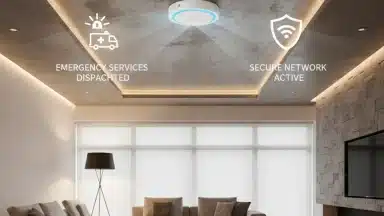
Mastering Smart Home Security: Reduce False Alarms by 20% by 2026
In an increasingly connected world, smart home security systems have become indispensable for peace of mind. They offer unparalleled convenience, remote monitoring, and advanced protection against intruders and environmental hazards. However, a persistent challenge that often plagues users is the dreaded false alarm. These unwarranted alerts can be disruptive, erode trust in the system, and even lead to unnecessary emergency service dispatches. As we look towards 2026, the imperative to optimize these systems for accuracy and reliability is stronger than ever. Our goal? To help you achieve a significant 20% reduction in false alarms through effective smart home security optimization.
This comprehensive guide will delve into the intricacies of smart home security systems, exploring common causes of false alarms and providing actionable strategies to mitigate them. We’ll cover everything from proper sensor placement and sensitivity adjustments to leveraging advanced AI and machine learning capabilities. By understanding the nuances of your system and implementing our expert recommendations, you can transform your smart home security from a source of occasional frustration into a truly robust and dependable guardian.
The journey to a more reliable smart home security system begins with a thorough understanding of its components and how they interact. Many false alarms stem from simple oversights or a lack of knowledge about configuration options. This article aims to empower you with that knowledge, ensuring your system works smarter, not just harder.
Understanding the Landscape: Why False Alarms Happen
Before we can optimize, we must diagnose. False alarms in smart home security systems are not always a sign of a faulty device; more often, they are a symptom of misconfiguration, environmental factors, or a lack of understanding of the system’s capabilities. Identifying the root cause is the first critical step in achieving effective smart home security optimization.
Common Culprits Behind False Alarms:
- Environmental Factors: Wind, extreme temperature changes, heavy rain, or even insects can trigger motion sensors or window break detectors if their sensitivity is too high.
- Pets: Our beloved companions are frequent instigators of false alarms, especially with motion sensors not equipped with pet immunity features.
- Improper Installation: Sensors placed too close to heat vents, windows, or in high-traffic areas without proper calibration can lead to frequent false positives.
- User Error: Forgetting to disarm the system, incorrect arming modes, or accidentally tripping a sensor are common human factors.
- Faulty Equipment: While less common, a defective sensor or component can consistently generate false alarms.
- Power Fluctuations: Intermittent power loss or surges can sometimes cause systems to misbehave, triggering alerts.
- Connectivity Issues: Unstable Wi-Fi or cellular connections can lead to delayed signals or misinterpretations by the central hub.
Each of these factors contributes to the overall ‘noise’ that a smart security system has to filter through. Our goal for 2026 is to reduce this noise significantly, ensuring that when an alarm sounds, it’s for a genuine threat. This proactive approach to smart home security optimization not only enhances reliability but also reduces the stress associated with managing your security system.
Strategic Placement and Calibration: The Foundation of Reliability
The journey to a 20% reduction in false alarms by 2026 begins with the fundamentals: strategic placement and meticulous calibration of your security devices. Even the most advanced smart home security system will underperform if its components are not optimally positioned and finely tuned.
Optimizing Sensor Placement:
- Motion Sensors:
- Height and Angle: Install motion sensors at the recommended height (usually 6-8 feet) and angle them to cover entry points and high-traffic areas without directly facing windows, heat sources, or air vents.
- Pet Immunity Zones: If your sensor has pet immunity, ensure it’s placed at a height that allows smaller animals to pass underneath its detection zone without triggering it.
- Avoid Obstructions: Ensure there are no large objects, curtains, or plants that could sway and trigger the sensor.
- Door and Window Sensors:
- Secure Attachment: Ensure both parts of the sensor are firmly attached and aligned correctly on the door/window frame and the moving part. Gaps can lead to intermittent triggers.
- Weather Protection: For outdoor sensors, ensure they are rated for outdoor use and protected from direct rain and extreme temperatures.
- Glass Break Sensors:
- Central Location: Place them centrally in rooms with multiple windows. They detect the specific sound frequency of breaking glass, so ensure no heavy curtains or sound-absorbing materials are directly in front of them.
- Environmental Sensors (Smoke, CO, Water Leak):
- Follow Manufacturer Guidelines: These sensors have very specific placement requirements for optimal function. Smoke detectors, for instance, should be on ceilings or high on walls, away from kitchens and bathrooms to prevent steam-induced false alarms.
Fine-Tuning Sensitivity Settings:
Many modern smart security sensors offer adjustable sensitivity levels. This is where precise smart home security optimization truly comes into play.
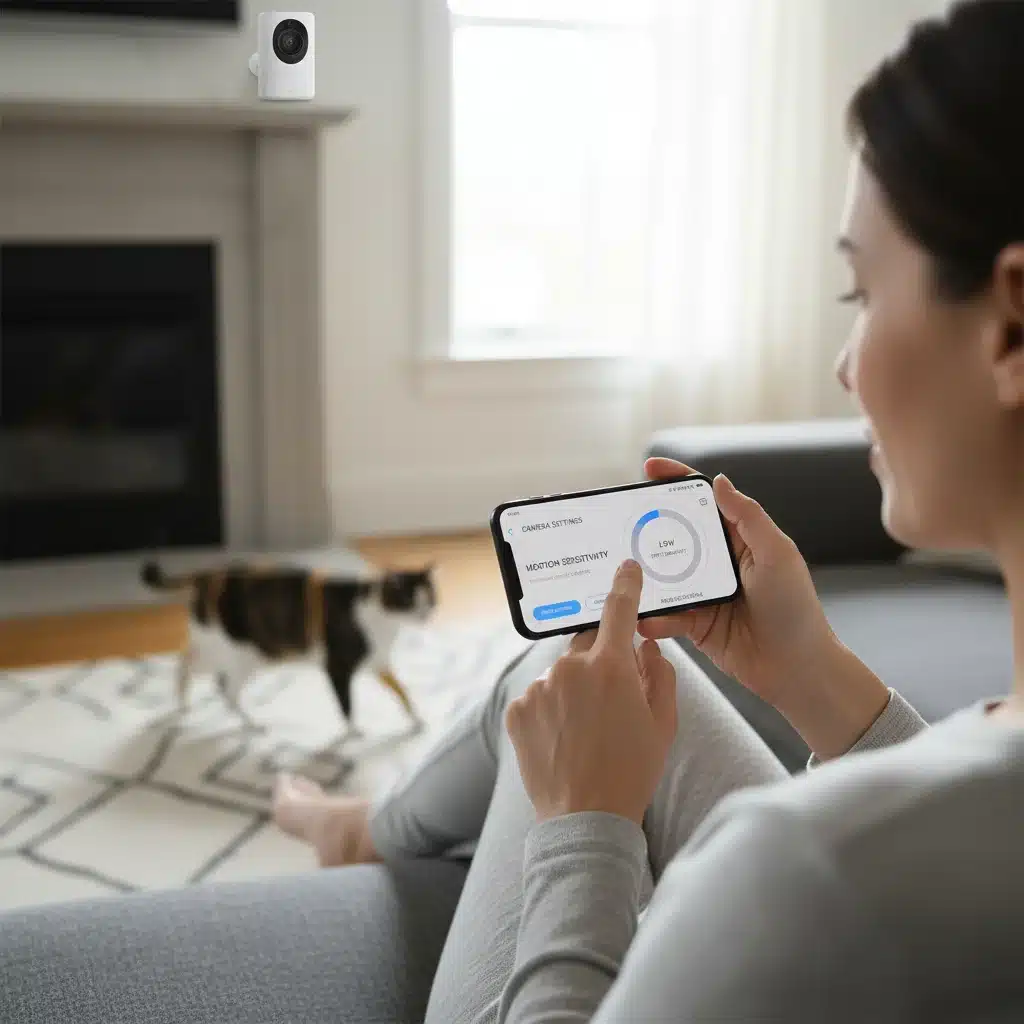
- Start Low: Begin with a lower sensitivity setting and gradually increase it if you find legitimate events are being missed.
- Test Thoroughly: After any adjustment, conduct a series of tests under various conditions. Walk through the room with pets, open and close windows, and even simulate environmental changes if possible.
- Pet Immunity Features: For motion sensors, enable and properly configure pet immunity if available. This feature differentiates between the movement of a human and a pet based on size and heat signature.
- Environmental Compensation: Some advanced sensors can compensate for environmental factors like temperature changes. Ensure these features are activated and calibrated.
Remember, the goal is to create a ‘goldilocks zone’ – not too sensitive, not too lax, but just right to detect threats without generating false positives. This careful balance is key to reducing false alarms by 20% by 2026.
Leveraging Advanced Technology: AI, Machine Learning, and Integration
The future of smart home security optimization lies in its ability to learn, adapt, and integrate seamlessly with other smart devices. Artificial Intelligence (AI) and Machine Learning (ML) are no longer futuristic concepts; they are actively enhancing the intelligence and accuracy of contemporary security systems.
AI and Machine Learning for Smarter Detection:
- Behavioral Analytics: Advanced systems can learn the normal patterns of activity within your home. They can differentiate between a family member’s routine movements and an anomalous intrusion, significantly reducing false alarms from everyday activities.
- Object Recognition: Smart cameras with AI can distinguish between a human, an animal, or a vehicle, allowing you to set specific alerts for different categories. This is particularly useful for outdoor cameras, where squirrels or passing cars often trigger traditional motion detection.
- Sound Pattern Analysis: Beyond simple glass break detection, AI can analyze sound patterns to identify specific threats, such as gunshots or distressed cries, while ignoring common household noises.
- Predictive Analytics: Some systems can even use historical data to predict potential vulnerabilities or suggest optimal sensor placements and sensitivity settings based on past false alarm incidents.
Seamless Integration and Ecosystem Management:
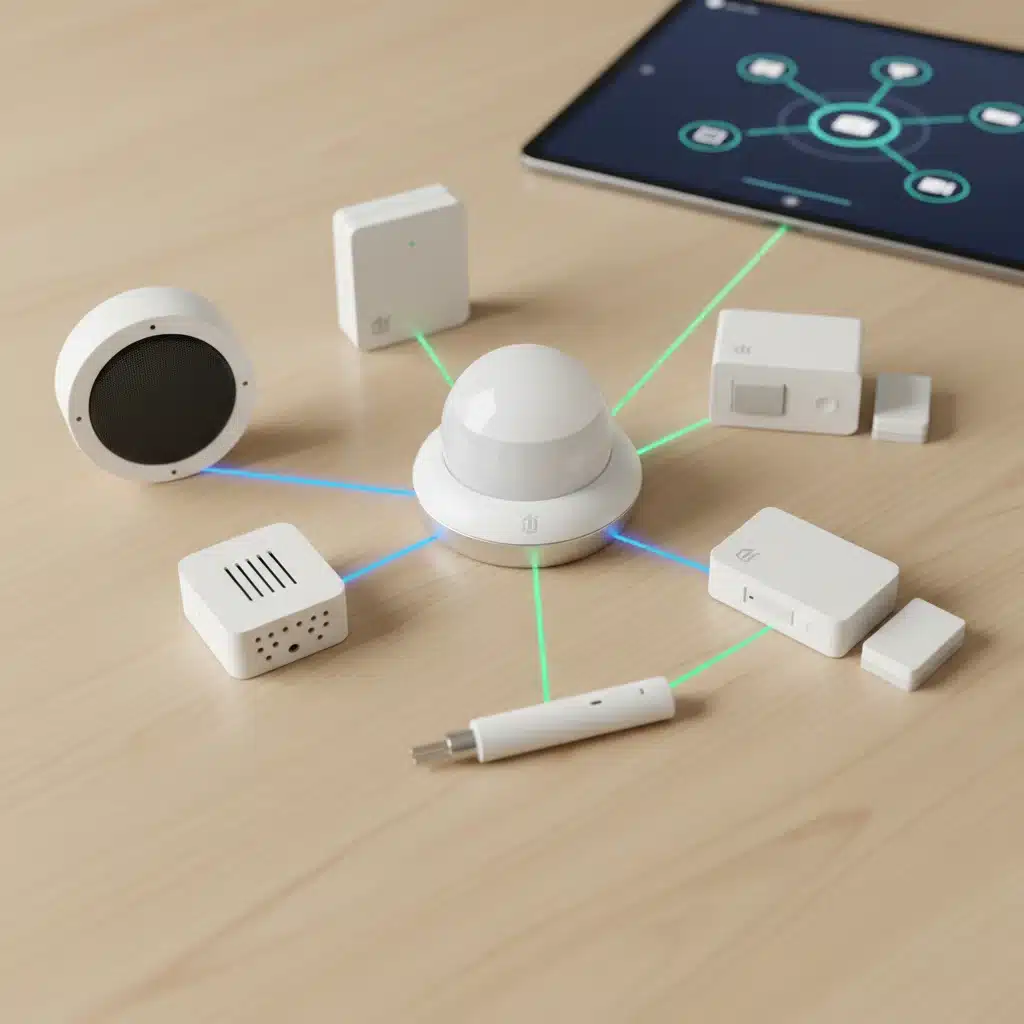
A truly optimized smart home security system doesn’t operate in a vacuum. Its ability to integrate with other smart home devices creates a more intelligent and responsive environment.
- Lighting Integration: Connect your security system to smart lighting. If a motion sensor is triggered, lights can automatically illuminate, deterring potential intruders and providing visual confirmation for cameras. This also helps reduce false alarms by making the environment clearer for visual verification.
- Smart Locks: Integration with smart locks allows for automated arming/disarming based on who enters or leaves, reducing user error. Geo-fencing can also be used to automatically arm the system when the last person leaves and disarm it upon return.
- Environmental Controls: Linking with smart thermostats or air purifiers can help manage environmental factors that might otherwise trigger sensors (e.g., controlling humidity to prevent smoke detector false alarms in bathrooms).
- Voice Assistants: Using voice commands to arm/disarm the system provides a convenient alternative that can reduce the likelihood of forgetting to engage the system.
Embracing these advanced technologies is crucial for achieving our 2026 goal. They move beyond basic detection to intelligent interpretation, making your security system not just reactive, but truly smart and proactive in its smart home security optimization.
Regular Maintenance and Software Updates: Keeping Your System Sharp
Just like any complex technological system, smart home security requires ongoing care to perform at its peak. Regular maintenance and timely software updates are non-negotiable for effective smart home security optimization and achieving that 20% false alarm reduction by 2026.
The Importance of Regular Checks:
- Battery Life: Many wireless sensors are battery-powered. Low batteries can lead to erratic behavior and false alarms. Establish a schedule to check and replace batteries, ideally before they run critically low. Most systems provide low-battery alerts, but proactive replacement is better.
- Sensor Cleanliness: Dust, cobwebs, or debris can obstruct sensors, especially motion and camera lenses, leading to inaccurate readings. Gently clean sensors periodically according to manufacturer guidelines.
- Connectivity Check: Periodically verify that all devices are properly connected to your network and the central hub. Wi-Fi signal strength can fluctuate, impacting performance. Consider Wi-Fi extenders if needed.
- Physical Inspection: Ensure all sensors are still securely mounted and haven’t been dislodged or damaged. Check wiring for any signs of wear or fraying if applicable.
Staying Up-to-Date with Software:
Software updates are not just about new features; they are vital for security, bug fixes, and performance enhancements that directly impact false alarm rates.
- Firmware Updates: Manufacturers frequently release firmware updates for their devices to improve detection algorithms, enhance pet immunity, and fix bugs that might cause false triggers. Always install these updates promptly.
- App Updates: Your security system’s mobile app also receives regular updates. These can improve user interface, provide new configuration options, and enhance the overall user experience, making it easier to manage and optimize your system.
- Security Patches: Beyond false alarms, updates often include critical security patches that protect your system from cyber threats. A compromised system can be unreliable and vulnerable.
- Automated Updates: If your system offers automated updates, enable them. This ensures you always have the latest improvements without manual intervention.
Neglecting maintenance and updates is akin to driving a car without regular service – it will eventually break down or perform poorly. For your smart home security, this means an increased likelihood of false alarms, undermining its very purpose. Prioritizing these routine tasks is a simple yet profoundly effective strategy for continuous smart home security optimization.
Educating Your Household: The Human Element in Security
Even the most technologically advanced and meticulously maintained smart home security system can be undermined by human error. Educating everyone in your household about its operation is a cornerstone of effective smart home security optimization and a critical step towards reducing false alarms by 20% by 2026.
Comprehensive Training for All Users:
- Arming and Disarming Procedures: Ensure everyone knows how to properly arm and disarm the system using all available methods (keypad, app, voice commands). Practice makes perfect.
- Understanding Modes: Explain the different arming modes (e.g., ‘Away,’ ‘Stay,’ ‘Night’) and when to use each. This prevents false alarms triggered by movement within the house when the ‘Away’ mode is mistakenly activated.
- Sensor Awareness: Teach family members where sensors are located and how to avoid triggering them unnecessarily (e.g., don’t open a window with a sensor when the system is armed).
- Pet Management: If you have pets, educate family members on how to manage them when the system is armed, especially if pet immunity features are in use. For instance, ensuring pets don’t jump onto furniture that might put them into a motion sensor’s detection zone.
- False Alarm Protocol: Establish a clear protocol for what to do if a false alarm occurs. Who is responsible for disarming? Who should be notified? This minimizes panic and ensures quick resolution.
- Guest and Visitor Instructions: If you have frequent guests or service providers, provide them with clear, concise instructions on how to interact with your security system, or consider temporarily disabling certain zones.
User Profiles and Access Management:
Many smart home security systems allow for multiple user profiles, each with unique access codes and permissions.
- Individual Codes: Assign unique access codes to each family member. This allows you to track who arms/disarms the system and provides an audit trail if a false alarm occurs.
- Temporary Access: For guests or service personnel, create temporary codes that can be easily enabled and disabled, or scheduled for specific times.
- Permission Levels: Utilize permission levels to restrict access to certain settings or features for younger family members or those who don’t need full administrative control.
A well-informed household is your first line of defense against false alarms. By investing time in educating everyone, you significantly enhance the overall effectiveness of your smart home security optimization efforts, making your system a reliable protector rather than an occasional nuisance.
The Future of False Alarm Reduction: What to Expect by 2026 and Beyond
The landscape of smart home security is continuously evolving, with innovations promising even greater accuracy and intelligence. As we push towards our 20% false alarm reduction goal by 2026, it’s exciting to consider what advancements will further refine smart home security optimization.
Emerging Technologies and Trends:
- Edge AI Processing: Moving AI processing from the cloud to the device itself (edge AI) will enable faster, more private, and more reliable decision-making. This means cameras can analyze events in real-time without relying on internet connectivity, reducing latency and potential false alarms due to network issues.
- Multi-Sensor Fusion: Future systems will increasingly combine data from multiple sensor types (e.g., motion, thermal, acoustic, vibration) to create a more comprehensive and accurate picture of an event. A motion trigger might be cross-referenced with thermal imaging to confirm a human presence, or with acoustic data to rule out a pet.
- Advanced Biometrics: While already present, biometric authentication (fingerprint, facial recognition, voice) will become more sophisticated and integrated, offering more seamless and secure arming/disarming, further reducing user error.
- Self-Healing Networks: Smart home networks will become more resilient, with devices capable of self-diagnosing connectivity issues and automatically switching to backup networks or re-establishing connections, ensuring continuous security operation.
- Predictive Maintenance with AI: AI will not only learn behavioral patterns but also device health. It could predict when a sensor battery is about to fail or when a component might malfunction, prompting proactive maintenance to prevent false alarms.
- Hyper-Personalization: Systems will become even more adept at learning individual household routines, adapting sensitivity settings and alert preferences based on who is home, what time it is, and even specific activities.
The Role of Industry Standards and Collaboration:
Achieving widespread false alarm reduction also depends on industry-wide efforts:
- Standardized Protocols: Greater interoperability between different brands and platforms will allow for more robust and integrated security solutions, leading to better data sharing and smarter decision-making.
- Public Education Campaigns: Ongoing education from manufacturers and security providers will continue to empower users to correctly install, configure, and maintain their systems.
- Enhanced Professional Monitoring: Monitoring centers will increasingly leverage AI tools to filter out false alarms before dispatching emergency services, improving efficiency and reducing burdens on first responders.
The future of smart home security optimization is bright, promising systems that are not only more secure but also remarkably intelligent and intuitive. By staying informed and embracing these advancements, homeowners can look forward to an even more reliable and stress-free security experience by 2026 and beyond.
Conclusion: Your Path to a Smarter, Safer Home
Reducing false alarms in your smart home security system by 20% by 2026 is an ambitious yet entirely achievable goal. It requires a multi-faceted approach that combines careful planning, meticulous installation, ongoing maintenance, and a willingness to embrace technological advancements. This journey towards enhanced smart home security optimization is not just about silencing annoying alerts; it’s about building a more reliable, trustworthy, and ultimately, a safer environment for you and your loved ones.
We’ve explored the critical aspects: understanding the common causes of false alarms, implementing strategic sensor placement and calibration, leveraging the power of AI and seamless integration, committing to regular maintenance and software updates, and crucially, educating every member of your household. Each of these components plays a vital role in transforming your security system from a reactive guard into a proactive, intelligent protector.
As smart home technology continues its rapid evolution, staying informed and proactive will be your greatest assets. Regularly review your system’s performance, adapt your settings as needed, and always be open to incorporating new features and devices that promise greater accuracy and convenience. By doing so, you’re not just investing in a security system; you’re investing in true peace of mind.
The future of home security is intelligent, intuitive, and remarkably accurate. By following the strategies outlined in this guide, you are well on your way to experiencing the full benefits of a truly optimized smart home security system, free from the disruptions of unnecessary alarms, and ready for the challenges and opportunities of 2026 and beyond. Make your smart home truly smart, starting today.