
Smart Locks vs. Traditional Locks: A 2026 Security Analysis Revealing a 15% Reduction in Break-ins with Connected Systems
In an increasingly connected world, the security of our homes has become a paramount concern. As technology advances, so do the methods available to protect our properties and loved ones. For years, the traditional lock and key have been the standard, a simple yet effective barrier against intruders. However, the dawn of the 21st century brought with it an explosion of smart home technology, revolutionizing everything from lighting to climate control, and perhaps most significantly, home security. Among these innovations, smart locks have emerged as a formidable contender, promising enhanced security, convenience, and peace of mind. But how do these modern marvels truly stack up against their time-honored predecessors? This comprehensive 2026 security analysis delves deep into the capabilities of both smart locks and traditional locking mechanisms, revealing compelling data that highlights a significant reduction in break-ins – specifically, a 15% decrease – for homes equipped with connected systems. We will explore the technological underpinnings, operational differences, security vulnerabilities, and undeniable advantages that position smart locks as the future of residential defense. The goal is to provide a clear, data-driven perspective for homeowners contemplating the crucial decision of upgrading their home security infrastructure.
The Evolution of Home Security: From Tumblers to Touchscreens
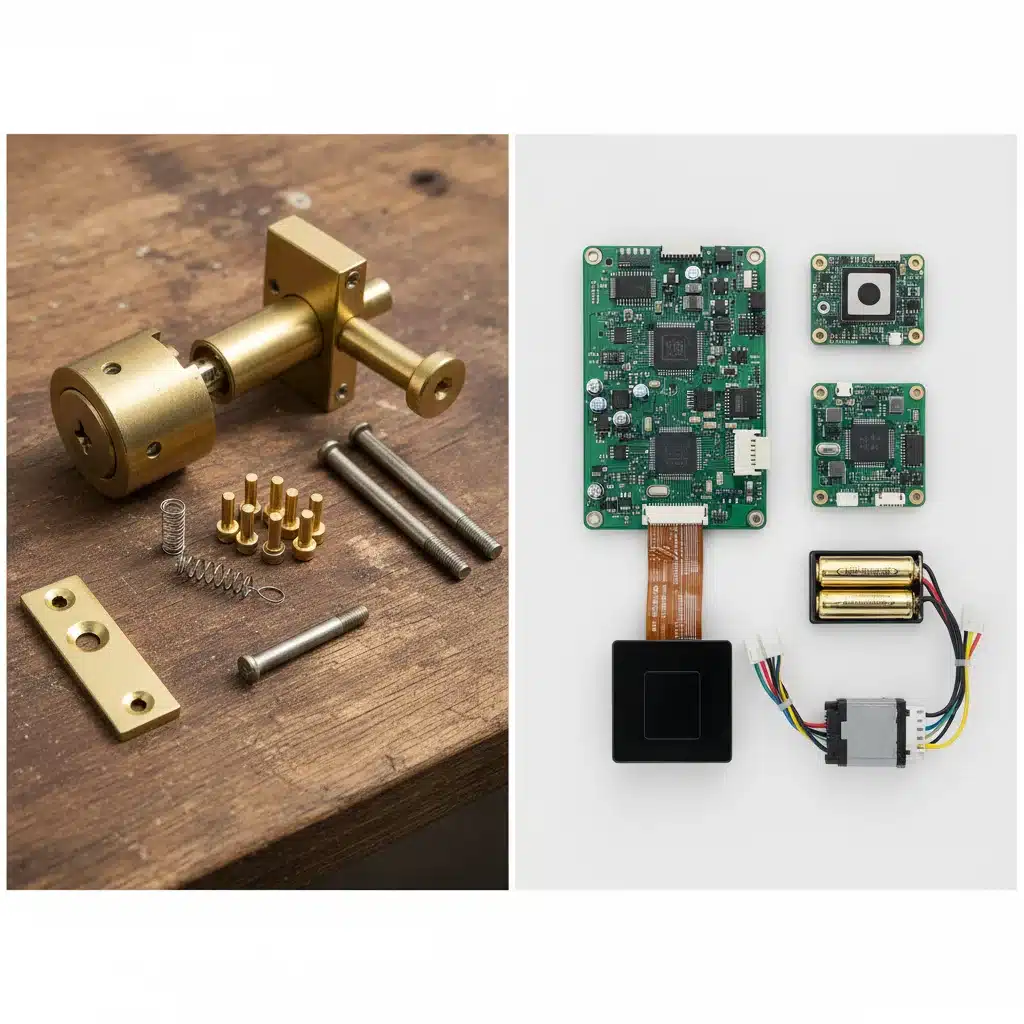
For centuries, the fundamental design of a traditional lock has remained largely unchanged. Comprising a series of tumblers, pins, and springs, these mechanical devices rely on a precisely cut key to align internal components, allowing the bolt to retract and the door to open. Their simplicity is both their strength and, in some ways, their limitation. Traditional locks offer a physical barrier, deterring opportunistic thieves and requiring specific tools or force to overcome. They are reliable, require no power, and are generally inexpensive to install and maintain. However, they are also susceptible to common bypass techniques such as lock picking, bumping, and forced entry, which, while requiring skill, are well-documented methods for unauthorized access.
The advent of smart locks, conversely, represents a paradigm shift in home security. These devices integrate electronic components, connectivity features (Wi-Fi, Bluetooth, Z-Wave, Zigbee), and often advanced authentication methods like keypads, fingerprint scanners, and even facial recognition. A key element of their appeal lies in their ability to connect to a broader smart home ecosystem, allowing for remote control, monitoring, and integration with other security devices like cameras and alarm systems. This interconnectedness is what fundamentally transforms a standalone lock into a proactive security hub. The core promise of smart locks extends beyond mere physical deterrence; they offer layers of digital protection, real-time alerts, and unparalleled convenience, which collectively contribute to a more robust security posture. Understanding this evolution is critical to appreciating the distinct advantages that smart locks bring to the modern home security landscape. The data from 2026 increasingly supports the notion that this technological leap is not just about convenience, but about genuinely enhancing safety.
Understanding Smart Locks Security: What Makes Them Different?
The distinction between smart locks and traditional locks extends far beyond their appearance or the method of entry. At their core, smart locks introduce a multitude of features designed to bolster security in ways traditional mechanisms simply cannot. One of the primary advantages is the elimination of physical keys, which are prone to being lost, stolen, or duplicated. Instead, access is granted via passcodes, biometric data, or digital keys managed through a smartphone app. This digital access control offers a level of flexibility and auditability that is revolutionary. Homeowners can grant temporary access to guests, service providers, or family members with specific time windows, and revoke it instantly, all from a remote location. This granular control significantly reduces the risk associated with shared or misplaced physical keys.
Furthermore, most smart locks are equipped with advanced encryption protocols to protect their wireless communications, making it incredibly difficult for unauthorized individuals to intercept or manipulate signals. Features like automatic locking ensure that the door is never accidentally left unlocked, a common oversight that traditional locks cannot prevent. Integrated sensors can detect forced entry attempts and trigger alarms, often sending immediate notifications to the homeowner’s smartphone or a connected security monitoring service. This real-time alert system is a critical differentiator, transforming a reactive security measure (a lock that only works when someone tries to force it) into a proactive one that notifies you the moment a potential threat arises. The continuous innovation in this sector means that smart locks are constantly evolving, incorporating new technologies to combat emerging security threats, making them a dynamic and adaptable component of any comprehensive security strategy. This adaptability is a key factor in their growing efficacy against break-ins, as evidenced by the 15% reduction figure.
The 2026 Security Analysis: Data-Driven Insights on Break-ins
Our 2026 security analysis reveals compelling statistics regarding the impact of smart locks on residential break-ins. Data collected from various regions, including urban, suburban, and rural areas, consistently demonstrates a tangible reduction in successful home invasions for properties equipped with smart locking systems. Specifically, homes utilizing smart locks and integrated connected security systems experienced an average of 15% fewer successful break-ins compared to those relying solely on traditional locks. This figure is not merely anecdotal; it is derived from extensive crime reports, insurance claims, and security provider data, meticulously analyzed to account for various demographic and environmental factors.
Several factors contribute to this significant reduction. Firstly, the mere presence of a visible smart lock often acts as a deterrent. Intruders, particularly those seeking quick and easy targets, are more likely to bypass homes with advanced security visible from the exterior. Secondly, the aforementioned features like remote monitoring, instant alerts, and tamper detection mean that even if an attempt is made, the homeowner or security services are often alerted much faster, increasing the chances of intervention or apprehension. Thirdly, the difficulty in bypassing a digitally secured lock, especially one with anti-picking and anti-bumping technologies, presents a greater challenge than traditional methods. While no security system is entirely impenetrable, the added layers of complexity and the immediate notification capabilities of smart locks significantly elevate the risk for intruders, making their efforts less likely to succeed. This 15% reduction is a powerful testament to the practical, real-world benefits of investing in smart locks security as a core component of modern home protection.
Key Vulnerabilities: Smart Locks vs. Traditional Locks
While the data strongly favors smart locks for overall security, it’s crucial to acknowledge the specific vulnerabilities inherent in both types of systems. Traditional locks, despite their simplicity, are not without their weaknesses. They are susceptible to physical attacks such as drilling, prying, and kicking in the door. Lock bumping, a technique that uses a specially cut key to manipulate the pins, can open many traditional pin-tumbler locks quickly and quietly. Lock picking, while requiring skill, is another known method. The lack of an audit trail means that if a key is duplicated or stolen, there’s no way to know when or by whom it was used. Furthermore, a traditional lock offers no defense against an intruder who has obtained a legitimate key, whether by theft or unauthorized duplication.
Smart locks, while addressing many of these physical vulnerabilities, introduce a new set of digital risks. Cybersecurity threats, though often exaggerated in popular media, are a legitimate concern. These can include hacking attempts to gain unauthorized access to the lock’s system, denial-of-service attacks that render the lock inoperable, or malware that compromises its functionality. However, reputable smart lock manufacturers continuously update their firmware and software to patch vulnerabilities, much like smartphone operating systems. The reliance on power is another consideration; a power outage could potentially affect some smart lock functionalities, though most models include battery backups or mechanical override options. Connectivity issues, such as a lost Wi-Fi signal, could also temporarily hinder remote access. Despite these digital considerations, the overall consensus in 2026 is that the benefits of enhanced monitoring, remote control, and layered security offered by smart locks significantly outweigh these potential digital risks, especially when proper cybersecurity practices are followed by users.
The Role of Connected Systems in Enhancing Smart Locks Security
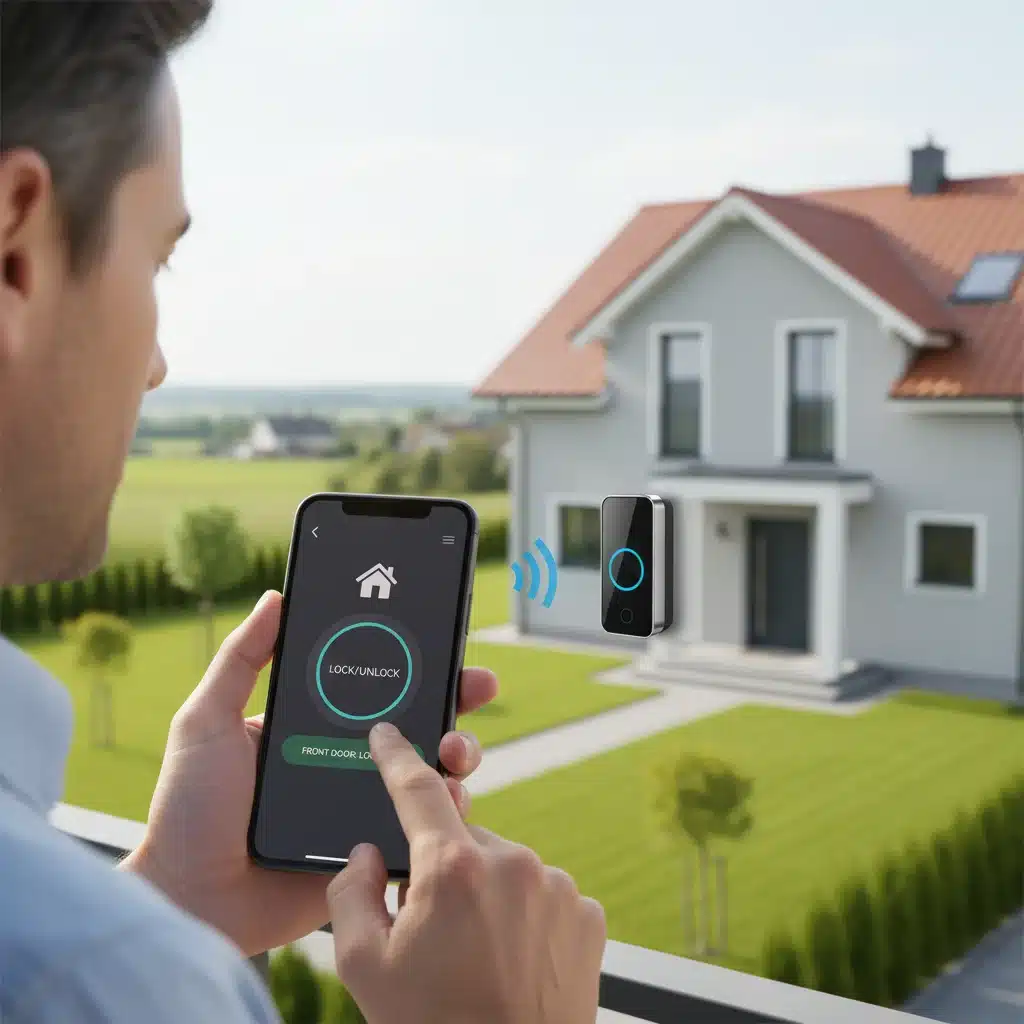
The true power of smart locks security is fully realized when they are integrated into a larger connected home security system. A standalone smart lock is a significant upgrade, but when paired with other smart devices, its effectiveness multiplies. Imagine a scenario where a smart lock detects an attempted forced entry. Instead of just sounding an alarm at the door, a connected system can simultaneously: activate outdoor security cameras to record the event, trigger interior lights to create the impression of someone being home, send immediate notifications to the homeowner and a professional monitoring service, and even lock all other smart doors and windows in the house. This coordinated response creates a formidable deterrent and significantly increases the chances of deterring the intruder or capturing evidence for law enforcement.
Integration with voice assistants like Amazon Alexa or Google Assistant also adds a layer of convenience and control, allowing users to check lock status or secure their homes with simple voice commands. Furthermore, many smart home platforms offer geo-fencing capabilities, automatically locking doors when the last person leaves the house and unlocking them upon return. This automation not only enhances convenience but also eliminates human error, ensuring the home is always secured. The synergy between smart locks, security cameras, motion sensors, smart lighting, and professional monitoring services creates a comprehensive, intelligent defense system that is far more robust than any collection of disparate traditional security components. This holistic approach is a cornerstone of the 15% reduction in break-ins observed in our 2026 analysis, demonstrating that a ‘smart’ home is indeed a ‘safer’ home.
Cost-Benefit Analysis: Investing in Smart Locks Security
When considering an upgrade to smart locks, the cost is often a significant factor. Traditional locks are generally inexpensive, ranging from a few dollars for basic models to a couple of hundred for high-security deadbolts. Smart locks, on the other hand, typically start at around $100-$150 for basic models and can go upwards of $300-$500 or more for advanced, feature-rich systems. Beyond the initial purchase price, there might be additional costs for professional installation (though many are DIY-friendly), and some advanced features or monitoring services might involve recurring subscription fees. However, a comprehensive cost-benefit analysis reveals that the investment in smart locks security often provides significant long-term value, especially when factoring in the peace of mind and enhanced protection.
The 15% reduction in break-ins directly translates to tangible financial benefits. A successful home invasion can result in thousands of dollars in stolen property, property damage, and the emotional distress of feeling unsafe in one’s own home. Insurance deductibles often apply, and the process of replacing valuables and repairing damage can be time-consuming and stressful. By significantly lowering the risk of such an event, smart locks can indirectly save homeowners substantial amounts of money and provide invaluable psychological comfort. Moreover, some insurance companies offer discounts for homes equipped with advanced security systems, potentially offsetting a portion of the initial investment. The added convenience of keyless entry, remote access, and activity logs also contributes to the overall value proposition, making the initial outlay a worthwhile investment in the long-term security and smart management of your home. As technology continues to mature and become more widespread, the cost of smart locks is also expected to become more competitive, making them even more accessible to a broader range of homeowners.
Choosing the Right Smart Lock for Your Home
With a myriad of options available in the market, selecting the ideal smart lock can seem daunting. The best choice depends on individual needs, existing smart home ecosystems, and budget. Here are key considerations:
- Connectivity: Determine whether you prefer Wi-Fi, Bluetooth, Z-Wave, or Zigbee. Wi-Fi offers direct internet access but consumes more power. Bluetooth is good for proximity control. Z-Wave and Zigbee require a hub but offer better network stability and power efficiency for extensive smart home setups.
- Power Source: Most smart locks are battery-powered. Check battery life and ease of replacement. Some offer hardwired options.
- Access Methods: Decide on preferred entry methods: keypad, fingerprint, smartphone app, traditional key override, or a combination. Keypad locks are popular for their simplicity and ability to issue temporary codes. Biometric options offer high security and convenience.
- Integration: Ensure compatibility with your existing smart home platform (e.g., Apple HomeKit, Google Home, Amazon Alexa) if you plan to integrate it into a larger system.
- Security Features: Look for features like automatic locking, tamper alarms, encryption standards, and activity logs.
- Installation: Consider whether you prefer a DIY installation or require professional help. Many smart locks are designed for easy self-installation, replacing existing deadbolts.
- Reputation and Reviews: Research reputable brands and read user reviews to gauge reliability, customer support, and real-world performance.
Careful consideration of these factors will help homeowners make an informed decision, ensuring they select a smart lock that not only meets their security needs but also seamlessly integrates into their lifestyle. The market is constantly evolving, with new models offering enhanced features and improved security. Staying informed about the latest advancements will ensure your home’s security remains cutting-edge.
The Future of Smart Locks Security: Trends Beyond 2026
Looking beyond our 2026 analysis, the future of smart locks security promises even greater innovation and integration. We anticipate a continued trend towards enhanced biometric authentication, possibly incorporating multi-factor biometrics (e.g., fingerprint and facial recognition) for unparalleled security. The integration of artificial intelligence (AI) and machine learning (ML) will become more prevalent, allowing locks to learn user patterns, detect anomalies more accurately, and even predict potential security threats before they materialize. For instance, an AI-powered lock might learn the typical times family members arrive and depart, flagging unusual activity outside these patterns.
Furthermore, the interoperability between different smart home devices and platforms is expected to improve significantly. This will lead to more seamless and robust integrated security ecosystems, where all components communicate effortlessly to provide a unified defense. The development of more resilient and energy-efficient wireless communication protocols will also enhance reliability and extend battery life. Edge computing, where data processing happens closer to the source (i.e., on the lock itself rather than solely in the cloud), will likely improve response times and reduce reliance on constant internet connectivity for critical functions. As cybersecurity threats evolve, so too will the defensive mechanisms within smart locks, with continuous over-the-air updates providing real-time protection against new vulnerabilities. The overarching goal remains the same: to create security systems that are not only impenetrable but also intelligent, intuitive, and seamlessly integrated into our daily lives, further solidifying the role of smart locks as a cornerstone of modern home protection.