Smart Home Privacy: 2026 Data Security Best Practices from US Experts
Smart Home Privacy: Essential Data Security Best Practices for 2026, According to US Experts
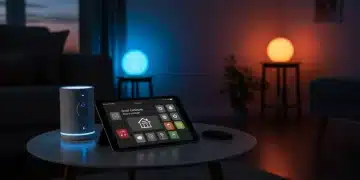
The dawn of 2026 finds our homes more connected than ever before. From smart thermostats anticipating our arrival to voice assistants managing our schedules and security cameras offering peace of mind, smart home devices have revolutionized convenience and comfort. However, this technological marvel comes with a significant responsibility: safeguarding our personal data. The proliferation of these devices means a corresponding increase in data collection, and with it, potential privacy risks. As we delve deeper into this interconnected future, understanding and implementing robust Smart Home Privacy practices becomes paramount. This comprehensive guide, drawing upon insights from leading US experts, will equip you with the knowledge and strategies to protect your digital footprint within your own four walls.
The landscape of smart home technology is dynamic, with new devices and functionalities emerging constantly. While these innovations enhance our daily lives, they also introduce novel challenges to data security. In 2026, the discussion around Smart Home Privacy is no longer theoretical; it’s an urgent, practical consideration for every household. US experts emphasize that proactive measures are crucial to prevent unauthorized access, data breaches, and the misuse of personal information collected by your smart devices. This article will explore the core principles of smart home data security, offer actionable advice, and highlight the evolving threats and best practices for the years to come.
Understanding the Data Landscape: What Your Smart Home Collects
Before we can secure our data, we must first understand what data our smart home devices are actually collecting. It’s often far more extensive than many consumers realize. US experts point out that the types of data gathered vary widely depending on the device, but generally include:
- Personal Identifiable Information (PII): This can include names, addresses, email addresses, and even payment information if linked to subscriptions or purchases.
- Behavioral Data: Smart thermostats learn your routines, smart lights track your presence, and smart speakers record commands and potentially background conversations. This data paints a detailed picture of your daily habits.
- Environmental Data: Temperature, humidity, air quality, and even sound levels are often recorded by various sensors.
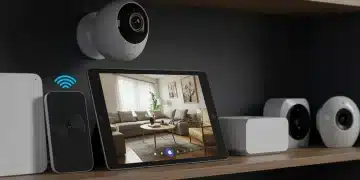
- Visual and Audio Data: Security cameras capture video footage, while smart doorbells record audio and video of visitors. Voice assistants process spoken commands, which are often sent to cloud servers for processing.
- Location Data: Many devices utilize GPS or network location to provide geofencing features or location-based services.
- Network Data: Information about your home network, connected devices, and internet usage patterns can also be collected.
The sheer volume and intimacy of this data underscore the critical importance of robust Smart Home Privacy protocols. US experts warn that this aggregated data, even if seemingly innocuous in isolation, can be used to create highly detailed profiles of individuals and households, which could be vulnerable to exploitation if not properly secured.
The Evolving Threat Landscape: Why Smart Home Privacy is More Critical in 2026
The threats to Smart Home Privacy are not static; they evolve alongside technology. In 2026, we face more sophisticated cyber threats than ever before. US cybersecurity experts highlight several key areas of concern:
- Sophisticated Hacking Attempts: Cybercriminals are constantly developing new methods to exploit vulnerabilities in device firmware, software, and network protocols.
- Supply Chain Attacks: A growing concern is the compromise of devices during manufacturing or distribution, leading to pre-installed malware or backdoors.
- Data Brokerage: The data collected by smart devices is incredibly valuable. There’s a risk that this data could be aggregated, anonymized (or poorly anonymized), and sold to third-party data brokers for targeted advertising or other purposes, often without explicit user consent.
- State-Sponsored Surveillance: While less common for the average consumer, the potential for state actors to leverage smart home vulnerabilities for surveillance purposes remains a concern, particularly with certain device manufacturers.
- Insider Threats: Employees of smart home device companies or service providers could potentially misuse access to sensitive customer data.
- Lack of Timely Updates: Many older or cheaper smart devices do not receive regular security updates, leaving them perpetually vulnerable to known exploits.
- Phishing and Social Engineering: Users themselves can be tricked into compromising their smart home security through sophisticated phishing attacks designed to steal login credentials.
Understanding these multifaceted threats is the first step towards building a resilient defense for your Smart Home Privacy. The following sections will detail the best practices recommended by US experts to mitigate these risks.
Pillars of Smart Home Privacy: Expert-Recommended Best Practices
1. Strong Passwords and Multi-Factor Authentication (MFA)
This might seem fundamental, but it remains the bedrock of digital security. US experts consistently emphasize the importance of unique, complex passwords for every smart home device and associated account. Never reuse passwords. A password manager can be an invaluable tool to create and store these securely.
Furthermore, enable Multi-Factor Authentication (MFA) wherever it’s offered. MFA adds an extra layer of security, typically requiring a second form of verification (like a code sent to your phone or a biometric scan) in addition to your password. This significantly reduces the risk of unauthorized access, even if your password is stolen. For optimal Smart Home Privacy, MFA is non-negotiable.
2. Secure Your Home Network: The Foundation of Smart Home Privacy
Your home Wi-Fi network is the gateway for all your smart devices. If it’s compromised, your entire smart home ecosystem is at risk. Follow these expert recommendations for robust network security:
- Change Default Router Credentials: The first thing you should do is change the default username and password for your router. These are often publicly known and easily exploited.
- Use Strong Wi-Fi Encryption: Ensure your Wi-Fi network uses WPA2 or, preferably, WPA3 encryption. Avoid WEP or older WPA protocols, which are easily cracked.
- Create a Guest Network: Isolate your smart devices from your main personal computers and phones by creating a separate guest network. This segmenting limits the potential damage if a smart device is compromised.
- Regularly Update Router Firmware: Router manufacturers frequently release firmware updates that patch security vulnerabilities. Check for and install these updates promptly.
- Consider a Dedicated IoT VLAN: For advanced users, setting up a Virtual Local Area Network (VLAN) specifically for IoT devices can provide an even higher level of isolation and control over their network traffic. This is a highly recommended practice by US experts for enhanced Smart Home Privacy.
3. Device Selection and Vendor Trustworthiness
Not all smart home devices are created equal when it comes to security and privacy. US experts advise consumers to be discerning:
- Research Before You Buy: Look for devices from reputable manufacturers with a strong track record of security and privacy. Read reviews, particularly focusing on security audits and data handling policies.
- Understand Privacy Policies: Before purchasing and setting up a device, take the time to read its privacy policy. Understand what data is collected, how it’s used, and whether it’s shared with third parties. If a policy is vague or difficult to understand, it’s a red flag.
- Check for Security Certifications: Some devices come with security certifications or adhere to industry standards. While not foolproof, these can indicate a manufacturer’s commitment to security.
- Consider Local Processing: Prioritize devices that offer local data processing rather than relying solely on cloud services. This reduces the amount of sensitive data transmitted over the internet and stored on remote servers, significantly boosting Smart Home Privacy.
4. Regular Software and Firmware Updates
Just like your computer or smartphone, smart home devices require regular updates. These updates often contain critical security patches that address newly discovered vulnerabilities. US experts cannot stress this enough:
- Enable Automatic Updates: Wherever possible, enable automatic updates for your smart devices.
- Manually Check for Updates: For devices without automatic updates, make it a habit to periodically check the manufacturer’s website or the device’s companion app for the latest firmware.
- Don’t Ignore Update Notifications: Promptly install any security updates or patches. Delaying these leaves your devices exposed.
5. Audit Permissions and Data Sharing Settings
Many smart devices come with default settings that are optimized for convenience, not necessarily for maximum Smart Home Privacy. After installation, meticulously review and adjust the privacy settings for each device and its associated app:
- Limit Data Collection: Disable any data collection features that are not essential for the device’s core functionality.
- Review App Permissions: On your smartphone or tablet, check the permissions granted to smart home apps. Does a smart light bulb app really need access to your contacts or location 24/7? Deny unnecessary permissions.
- Opt-Out of Data Sharing: Actively look for options to opt-out of data sharing with third parties, targeted advertising, or data analytics.
- Understand Voice Assistant Settings: Voice assistants often record and store commands. Review and manage these recordings, and consider deleting them periodically. Explore options for local processing of voice commands if available.
6. Physical Security of Devices
While much of Smart Home Privacy focuses on digital threats, the physical security of your devices also plays a role:
- Secure Physical Access: Ensure that smart devices like security cameras, hubs, or smart locks are installed in physically secure locations where they cannot be easily tampered with or stolen.
- Default Passwords and QR Codes: Change any default passwords or PINs on devices. Be mindful of QR codes or setup codes printed on devices, as these can sometimes be exploited if physically accessed.
7. Disconnect or Disable When Not in Use
For devices that are used infrequently or seasonally, consider unplugging them or disabling their network connectivity when not needed. This reduces their exposure to potential threats and limits their data collection. For example, if you have smart holiday lights, disconnect them after the season. This simple step can significantly bolster your Smart Home Privacy.
Advanced Strategies for Enhanced Smart Home Privacy in 2026
8. Network Monitoring and Intrusion Detection
For those with a higher technical aptitude or greater privacy concerns, implementing network monitoring tools can provide an early warning system. These tools can detect unusual network traffic patterns, unauthorized access attempts, or devices communicating with suspicious external servers. US experts suggest exploring open-source solutions or dedicated network security appliances for this purpose.
9. Data Minimization and Anonymization
Embrace the principle of data minimization: only provide the absolute necessary information to your smart devices and their associated services. Where possible, use anonymized data or pseudonyms if a service allows it without compromising functionality. The less personal data you share, the less there is to potentially compromise, a cornerstone of effective Smart Home Privacy.
10. Regular Privacy Audits
Make it a habit to conduct a regular privacy audit of your smart home ecosystem. This involves:
- Reviewing all connected devices.
- Checking their privacy settings.
- Verifying that all software and firmware are up to date.
- Assessing any new devices or services added since the last audit.
- Reading updated privacy policies from manufacturers.
A yearly or bi-annual audit, as recommended by US experts, can catch overlooked vulnerabilities and ensure your Smart Home Privacy practices remain current.
11. Educate Your Household
Smart Home Privacy is a shared responsibility within a household. Ensure that everyone who interacts with smart devices understands the basic security protocols:
- The importance of strong passwords.
- How to identify phishing attempts.
- The implications of sharing personal information verbally with voice assistants.
- The risks of installing unauthorized apps or connecting to unsecured Wi-Fi.
A well-informed household is a more secure household.
The Role of Regulations and Industry Standards in 2026
As the smart home market matures, so too does the regulatory environment. In 2026, US experts anticipate increasing pressure on manufacturers to prioritize privacy by design. We are seeing a growing emphasis on:
- Privacy by Design: Manufacturers are increasingly expected to build privacy protections into their devices and services from the ground up, rather than as an afterthought.
- Transparency Requirements: Regulations are pushing for clearer and more concise privacy policies, making it easier for consumers to understand how their data is being used.
- Data Minimization Standards: There’s a push for devices to collect only the data absolutely necessary for their function, and to delete it when no longer needed.
- Security Baselines: Industry bodies and government agencies are working towards establishing baseline security requirements for IoT devices, which will help weed out insecure products from the market.
- Consumer Control: The focus is shifting towards giving consumers more granular control over their data, including the ability to easily access, correct, and delete their personal information.
While these regulatory advancements are positive, US experts caution that they are not a substitute for individual vigilance. Consumers must still take an active role in managing their own Smart Home Privacy.
Challenges and Future Outlook for Smart Home Privacy
Despite the advancements, several challenges persist in securing Smart Home Privacy:
- Interoperability vs. Security: The desire for seamless integration between different brands of smart devices can sometimes conflict with robust security protocols.
- Legacy Devices: Older smart devices may not be capable of receiving the latest security updates, posing a lingering risk.
- User Apathy: A significant challenge remains consumer indifference to privacy concerns, often prioritizing convenience over security.
- AI and Machine Learning: While beneficial, the increasing use of AI and machine learning in smart devices raises new questions about how data is processed, analyzed, and potentially inferred about users.
Looking ahead to the rest of the decade, US experts predict a greater convergence of physical and digital security. Biometric authentication will become more prevalent, and decentralized identity solutions may offer new ways to manage data access. The concept of a ‘digital twin’ of your home, where virtual representations store and process data, will also introduce new privacy considerations. Ultimately, maintaining strong Smart Home Privacy will require continuous adaptation, education, and a collaborative effort between consumers, manufacturers, and regulators.
Conclusion: Empowering Your Smart Home Privacy in 2026
The journey towards a truly secure smart home is ongoing. As our reliance on connected devices grows, so does the imperative to protect our personal data. By understanding the data collected, recognizing the evolving threats, and diligently implementing the best practices outlined by US experts, you can significantly enhance your Smart Home Privacy posture in 2026 and beyond.
Remember, convenience should never come at the expense of privacy. Take control of your smart home’s data, make informed decisions, and cultivate a proactive approach to security. Your digital well-being, and that of your family, depends on it. Stay informed, stay vigilant, and enjoy the benefits of smart home technology with confidence and peace of mind.