In an increasingly connected world, the concept of home security has evolved dramatically. Gone are the days when a simple alarm system and a sturdy lock sufficed. Welcome to 2026, where Proactive Smart Security isn’t just a luxury; it’s a necessity. As our homes become smarter, integrating everything from thermostats to refrigerators, the potential vulnerabilities also multiply. This article delves deep into the realm of advanced home protection, offering insider knowledge and practical solutions to move beyond reactive alarms and embrace a truly proactive security posture.
The traditional alarm system, while still foundational, acts primarily as a deterrent and a notification system after an event has occurred. Proactive Smart Security, however, aims to prevent incidents before they escalate, using intelligent automation, advanced analytics, and interconnected devices to create a formidable defense. We’re talking about systems that learn your routines, anticipate threats, and respond autonomously, often before you even realize a potential issue exists. This isn’t science fiction; it’s the present and immediate future of safeguarding your sanctuary.
The Shifting Landscape of Home Security: Why Proactive Measures Matter
The rise of the Internet of Things (IoT) has brought unprecedented convenience to our lives. We can control our lights from our phones, monitor our pets remotely, and even preheat our ovens on the way home. However, this interconnectedness also creates a vast attack surface for those with malicious intent. Cybercriminals are no longer just targeting banks and corporations; they are increasingly setting their sights on smart homes, exploiting vulnerabilities in poorly secured devices to gain access, steal data, or even cause physical harm.
A reactive security system, which simply alerts you to a breach, can be too late. Imagine receiving a notification that a door has been forced open while you’re thousands of miles away. While helpful, the damage is already done. A Proactive Smart Security system, on the other hand, might detect suspicious activity near your property, activate perimeter lighting, trigger an audible warning, and even deploy a drone to investigate, all before an intruder even reaches your door. This paradigm shift from response to prevention is what defines the next generation of home protection.
Moreover, the threats aren’t always external. Internal issues, such as water leaks, carbon monoxide, or fire, can cause significant damage and pose serious risks. Proactive Smart Security extends to these domestic dangers as well, employing smart sensors and automated responses to mitigate risks before they become catastrophes. For instance, a smart water sensor under your sink can detect a leak and automatically shut off the main water supply, saving you from extensive water damage and costly repairs.
1. Advanced Perimeter Defense with AI-Powered Surveillance
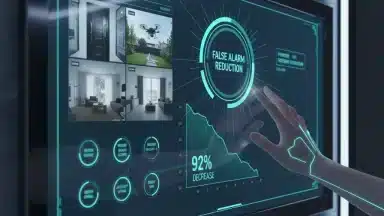
Forget the grainy security footage of yesteryear. Modern surveillance systems are powered by artificial intelligence, offering unparalleled detection capabilities. AI-powered cameras can differentiate between a pet, a falling leaf, and a human intruder, significantly reducing false alarms. They can identify suspicious behavior patterns, such as lingering around your property or attempting to obscure their face, and alert you with high precision.
Key Features for 2026:
- Facial Recognition & Anomaly Detection: These systems can learn familiar faces (family, friends, regular service providers) and flag unknown individuals or those attempting to conceal their identity.
- Thermal Imaging & Night Vision: Beyond standard infrared, advanced thermal imaging can detect intruders even in complete darkness or through dense foliage, making covert approaches virtually impossible.
- Predictive Analytics: AI algorithms can analyze historical data and current environmental factors to predict potential threat vectors, enabling the system to pre-emptively activate deterrents or alert authorities.
- Drone Integration: For larger properties, autonomous drones equipped with cameras and spotlights can be deployed from a smart charging station upon perimeter breach detection, offering a mobile, aerial perspective and an additional layer of deterrence.
Implementing an AI-powered surveillance system means not just recording events, but actively understanding and responding to them. This is a cornerstone of Proactive Smart Security, ensuring your property is under constant, intelligent watch.
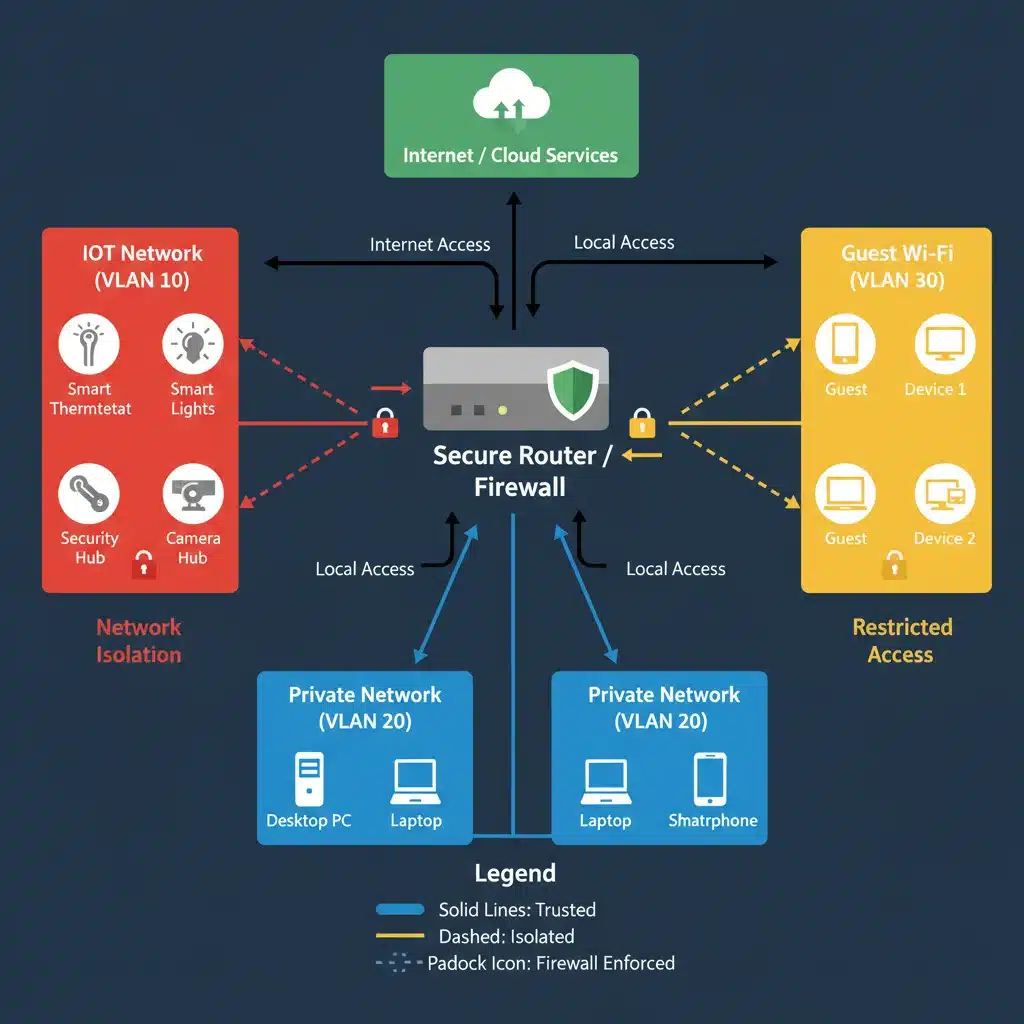
2. Robust Network Segmentation and Cybersecurity for IoT Devices
The more smart devices you have, the more entry points exist for cyber threats. A single vulnerable smart bulb could potentially be a gateway into your entire home network. The solution lies in robust network segmentation and stringent cybersecurity protocols.
Practical Steps:
- Dedicated IoT Network (VLAN): Create a separate Virtual Local Area Network (VLAN) specifically for your smart home devices. This isolates them from your main network where your computers, smartphones, and sensitive data reside. If an IoT device is compromised, the breach is contained, preventing access to your critical data.
- Strong, Unique Passwords: This cannot be stressed enough. Default passwords are an open invitation for hackers. Use long, complex, and unique passwords for every device and change them regularly.
- Regular Firmware Updates: Manufacturers frequently release firmware updates to patch security vulnerabilities. Enable automatic updates or make it a routine to check for and install them promptly.
- Firewall and Intrusion Detection Systems (IDS): Invest in a router with advanced firewall capabilities and consider an IDS to monitor network traffic for suspicious activity.
- VPN for Remote Access: When accessing your smart home system remotely, always use a Virtual Private Network (VPN) to encrypt your connection and protect your data from eavesdropping.
Securing your digital perimeter is just as important as securing your physical one. A compromised smart device can lead to more than just inconvenience; it can expose your personal life and create significant security risks. Proactive Smart Security demands a strong digital defense.
3. Smart Locks with Biometric and Geofencing Integration
Keyless entry systems have been around for a while, but 2026 brings them to a new level of sophistication. Smart locks are no longer just about convenience; they’re about intelligent access control.
Advanced Features:
- Biometric Authentication: Fingerprint scanners, facial recognition, and even iris scans are becoming standard for high-security smart locks, eliminating the need for physical keys or codes that can be stolen or forgotten.
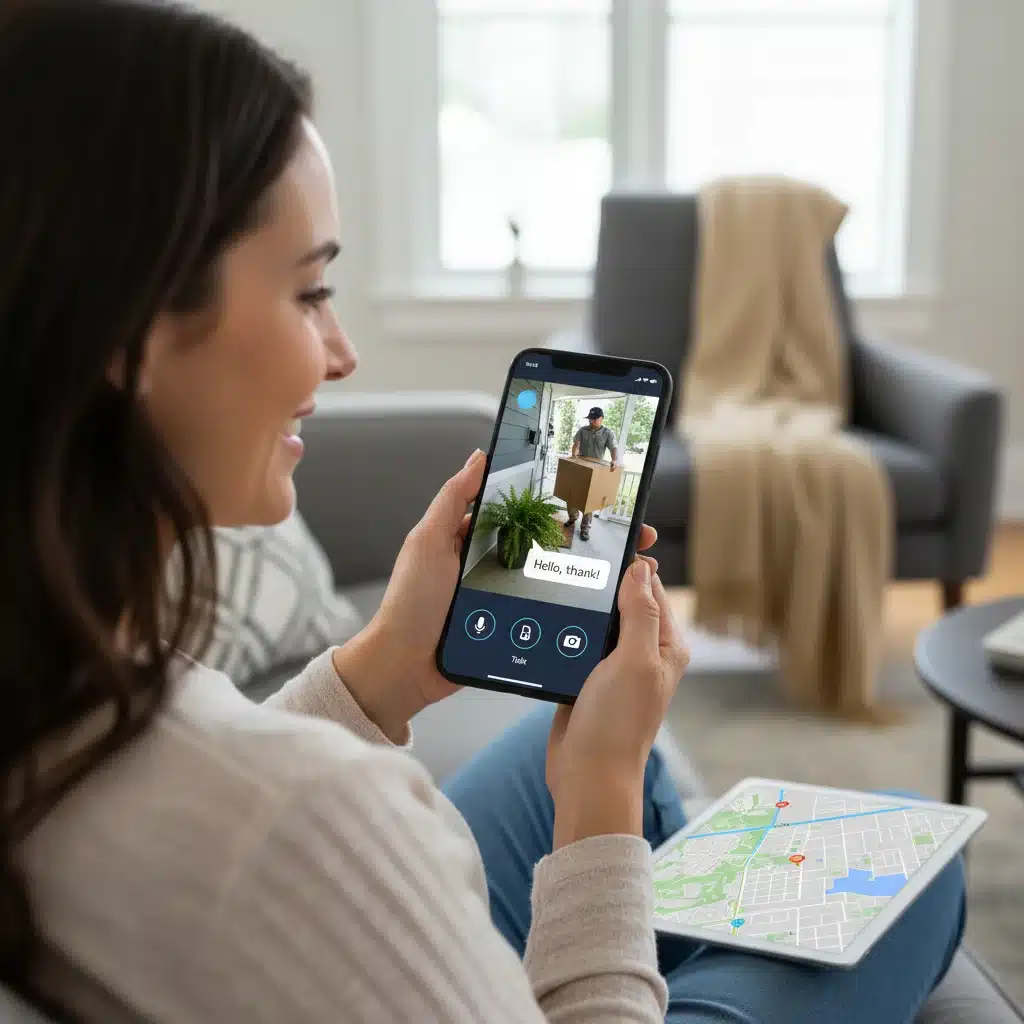
- Geofencing Automation: Your home can recognize when you (or authorized family members) are approaching and automatically unlock the door as you arrive, and lock it behind you as you leave. This eliminates the risk of forgetting to lock up.
- Temporary Access Management: Grant temporary, time-limited access to service providers, pet sitters, or guests, which can be revoked instantly from your smartphone.
- Tamper Alerts & Auto-Lock: Receive immediate notifications if someone attempts to tamper with your lock, and configure the lock to automatically re-lock if left unlocked for a certain period.
These smart locks integrate seamlessly with your overall security system, triggering alarms or recording video if unauthorized access is attempted, forming a critical part of your Proactive Smart Security strategy.
4. Environmental Monitoring with Automated Responses
Beyond intruders, homes face threats from within. Fire, carbon monoxide, water leaks, and even extreme temperature fluctuations can cause significant damage and endanger occupants. Proactive Smart Security extends its reach to these environmental factors.
Essential Environmental Sensors:
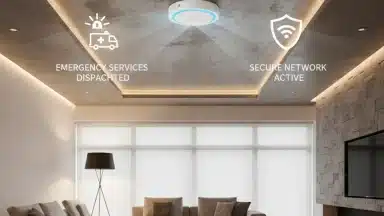
- Smart Smoke & Carbon Monoxide Detectors: These devices not only emit loud alarms but also send alerts to your phone, notify emergency services, and can even trigger other smart devices, like turning on lights for visibility or unlocking doors for easier escape.
- Smart Water Leak Detectors: Placed in flood-prone areas (under sinks, near water heaters, in basements), these sensors can detect leaks and, when integrated with a smart water shut-off valve, automatically cut off the water supply to prevent extensive damage.
- Temperature & Humidity Sensors: Monitor conditions to prevent pipe bursts in freezing weather or excessive humidity leading to mold growth. Automated responses can include adjusting the thermostat or activating dehumidifiers.
These systems provide an invaluable layer of protection, preventing costly damage and ensuring the health and safety of your household. They embody the essence of Proactive Smart Security by addressing risks before they escalate.
5. Smart Lighting and Sound as Deterrents
Sometimes the best defense is a strong offense, or at least a convincing illusion of one. Smart lighting and sound systems can be powerful deterrents, making your home appear occupied even when it’s not, or creating an unsettling environment for potential intruders.
Creative Deterrent Strategies:
- Occupancy Simulation: Program smart lights, TVs, and even smart speakers to turn on and off at varying intervals, mimicking the patterns of an occupied home. This can be randomized to prevent predictable routines.
- Motion-Activated Lighting: Beyond simple floodlights, integrate smart lights that change color or intensity when motion is detected, drawing attention to specific areas and potentially startling intruders.
- Automated Soundscapes: When motion is detected near entry points, trigger smart speakers to play sounds like a barking dog, conversation, or even a police siren, creating an immediate psychological deterrent.
- Integrated Siren Systems: Move beyond basic alarm sirens. Advanced systems can integrate with outdoor speakers to broadcast custom warning messages or high-frequency sounds designed to disorient.
These clever uses of smart technology make your home less appealing to criminals, adding a significant layer to your Proactive Smart Security strategy without constant human intervention.
6. Privacy-Focused Device Selection and Configuration
While smart devices offer immense security benefits, they also gather a vast amount of data. Ensuring your privacy is paramount. Proactive Smart Security isn’t just about protecting against external threats; it’s also about safeguarding your personal information.
Privacy Best Practices:
- Choose Reputable Brands: Opt for devices from well-established companies with a strong track record of security and privacy. Research their privacy policies before purchase.
- Understand Data Collection: Be aware of what data your devices collect, how it’s stored, and whether it’s shared with third parties. Configure privacy settings to your comfort level.
- Disable Unnecessary Features: If a smart device has a microphone or camera feature you don’t use, consider disabling it. Less active hardware means fewer potential vulnerabilities.
- Local Processing & Storage: Prioritize devices that process and store data locally on the device or a local hub, rather than sending everything to the cloud. This reduces the risk of cloud breaches.
- Guest Networks for Visitors: Provide a separate guest Wi-Fi network for visitors. This prevents them from accessing your main network and any potentially vulnerable smart devices.
A truly Proactive Smart Security strategy includes a conscious effort to protect your digital footprint within your own home.
7. Redundant Power and Internet Connectivity
A smart home security system is only as good as its power and internet connection. A power outage or internet disruption can render your advanced security measures useless. Proactive Smart Security mitigates these risks with redundancy.
Ensuring System Uptime:
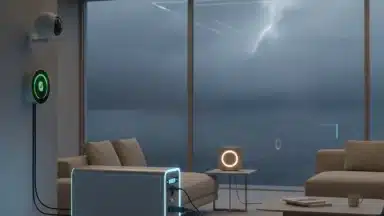
- Uninterruptible Power Supplies (UPS): Connect your critical security components (router, modem, security hub, main cameras) to a UPS. This will provide temporary power during outages, allowing your system to remain operational for a crucial period.
- Cellular Backup for Internet: Many smart security hubs offer cellular backup. If your primary internet connection goes down, the system automatically switches to a cellular network (like 4G or 5G) to maintain communication with monitoring centers and your smartphone.
- Local Storage for Cameras: While cloud storage is convenient, ensure your security cameras also have local storage options (SD card, NVR/DVR). This guarantees that footage is still recorded even if the internet connection is lost.
- Battery Backup for Sensors: Most smart sensors (door/window, motion, environmental) are battery-powered and have long battery lives. Regularly check and replace batteries to ensure continuous operation.
Reliability is key to Proactive Smart Security. By planning for contingencies, you ensure your home remains protected under adverse conditions.
8. Regular Security Audits and Vulnerability Assessments
Technology evolves rapidly, and so do the methods of those seeking to exploit it. A set-it-and-forget-it approach to smart home security is a recipe for disaster. Proactive Smart Security requires ongoing vigilance.
Maintaining a Secure System:
- Annual Security Audit: Periodically review your entire smart home setup. Check all device settings, password strengths, and network configurations. Ensure all software and firmware are up to date.
- Vulnerability Scanning: Consider using network vulnerability scanners (some are available for home users) to identify potential weaknesses in your network or devices.
- Review Access Logs: Regularly check the access logs of your smart hub and individual devices for any unauthorized attempts or unusual activity.
- Stay Informed: Keep abreast of the latest smart home security threats and best practices. Follow reputable tech security blogs and news outlets.
- Professional Consultation: For complex setups or if you’re unsure, consider hiring a cybersecurity professional specializing in smart home systems to conduct a thorough assessment and offer recommendations.
Just like you service your car, your smart home security system needs regular checks to ensure it’s performing optimally and remains resilient against emerging threats. This continuous improvement is a hallmark of truly Proactive Smart Security.
The Future is Proactive: Integrating All Measures for Ultimate Protection
The true power of Proactive Smart Security lies in the seamless integration of all these measures. Imagine a scenario where an AI-powered camera detects suspicious movement at your fence line. It immediately activates perimeter lighting, sends a high-definition video feed to your phone, and triggers an automated warning message through outdoor speakers. Simultaneously, your smart locks verify their status, and your network monitors for any unusual digital activity. If an attempt is made to bypass a smart lock, biometrics prevent access, and a silent alarm is sent to authorities while interior lights flash to disorient.
This level of coordinated defense is what homeowners can expect and demand in 2026. It moves beyond individual devices working in silos to a unified, intelligent ecosystem that anticipates, deters, and responds with precision. The goal is to create such an impenetrable and intelligent barrier that your home becomes an unattractive target for any malicious actor, both physical and digital.
Investing in Proactive Smart Security is an investment in peace of mind. It means knowing that your home is not just reacting to threats, but actively preventing them, safeguarding your family, your belongings, and your digital privacy. As technology continues to advance, so too will the capabilities of these systems, making our homes safer, smarter, and more secure than ever before.
Conclusion: Embracing the Future of Home Protection
The journey towards a truly secure smart home is ongoing, but the principles of Proactive Smart Security provide a robust roadmap for 2026 and beyond. By adopting AI-powered surveillance, fortifying your network, upgrading to intelligent access control, implementing comprehensive environmental monitoring, leveraging smart deterrents, prioritizing privacy, ensuring system redundancy, and maintaining regular audits, you are not just installing gadgets; you are building an intelligent, resilient fortress.
Don’t wait for an incident to occur to realize the importance of advanced protection. Take the initiative now to assess your current home security, identify areas for improvement, and begin integrating these proactive measures. The peace of mind that comes from knowing your home is protected by the latest and most intelligent security solutions is invaluable. Embrace the future of home security, and make your home a beacon of safety and innovation.