The dawn of a new technological era is upon us, and nowhere is this more evident than in our homes. The humble kitchen and the often-overlooked laundry room are undergoing a profound transformation, evolving into sophisticated, interconnected hubs of efficiency and convenience. By 2026, the landscape of home appliances will be virtually unrecognizable, driven by groundbreaking advancements in artificial intelligence (AI), the Internet of Things (IoT), and a renewed focus on sustainability. This comprehensive guide will delve deep into the most significant Smart Appliance Trends that are set to redefine our daily lives, offering a glimpse into the future of domestic technology.
The Evolution of Smart Appliances: What to Expect in Kitchens and Laundry Rooms by 2026
For years, the concept of a ‘smart home’ felt like a distant dream, confined to the pages of science fiction novels or the screens of Hollywood blockbusters. Today, however, that dream is a tangible reality, with smart appliances becoming increasingly commonplace. But what exactly constitutes a ‘smart appliance,’ and how will these devices continue to evolve over the next few years? At its core, a smart appliance is one that can connect to a network (usually Wi-Fi) and be controlled remotely, often through a smartphone app or a voice assistant. Beyond simple remote control, these appliances are increasingly equipped with sensors, AI algorithms, and machine learning capabilities that allow them to learn user preferences, optimize performance, and even anticipate needs.
The trajectory of Smart Appliance Trends points towards a future where our homes are not just collections of devices, but intelligent ecosystems working in harmony to simplify our lives, conserve resources, and enhance our overall well-being. This shift is not merely about adding more features; it’s about fundamentally changing how we interact with our living spaces and how these spaces, in turn, interact with us. From refrigerators that manage grocery lists to washing machines that predict maintenance needs, the innovations are boundless. Let’s explore the key areas where these transformations will take hold.
The Kitchen of Tomorrow: A Symphony of Intelligence and Efficiency
Smart Refrigeration: Beyond Keeping Things Cold
The refrigerator, once a passive storage unit, is rapidly becoming the central nervous system of the smart kitchen. By 2026, expect even more sophisticated features. Beyond internal cameras that let you peek inside from the grocery store, future smart refrigerators will boast advanced AI for proactive food management. Imagine a refrigerator that not only tracks expiration dates but also suggests recipes based on available ingredients, considering dietary restrictions and personal preferences. They will likely integrate seamlessly with online grocery delivery services, automatically adding items to your cart when supplies run low, or even placing orders directly. Moreover, energy efficiency will be paramount, with AI-driven cooling cycles that adapt to usage patterns, reducing energy consumption significantly. Predictive maintenance will also become standard, alerting users to potential issues before they become major problems, thus extending the appliance’s lifespan.
Cooking with AI: Ovens and Cooktops That Anticipate Your Needs
Smart ovens and cooktops are already capable of preheating remotely and adjusting temperatures with precision. However, the next wave of Smart Appliance Trends will see these devices become true culinary assistants. AI-powered ovens will feature advanced sensors that detect the doneness of food, automatically adjusting cooking times and temperatures to achieve perfect results every time. Integrated cameras will allow users to monitor their dishes without opening the oven door, while augmented reality (AR) interfaces on oven screens could project recipe steps directly onto your food. Induction cooktops will offer even greater precision and safety, with zones that automatically adjust to cookware size and intelligent spill detection systems that shut off heat instantly. Expect these appliances to learn your favorite dishes and cooking methods, offering personalized suggestions and even guiding you through complex recipes step-by-step.
Dishwashers That Think: Optimized Cleaning and Resource Management
No longer just a machine that washes dishes, the smart dishwasher of 2026 will be a master of resource optimization. AI sensors will analyze the soil level of dishes, automatically selecting the most appropriate wash cycle and water temperature, minimizing water and energy usage. Integration with smart home energy management systems will allow dishwashers to run during off-peak electricity hours, further reducing utility bills. Voice control will become even more intuitive, allowing users to start cycles, check progress, and even order detergent with simple commands. Self-cleaning filters and proactive maintenance alerts will ensure optimal performance and longevity, making dishwashing a truly hands-off experience.
Small Appliances, Big Impact: The Rise of Connected Countertops
Beyond the major appliances, smaller kitchen gadgets are also getting smarter. Smart coffee makers, blenders, and toasters will integrate into the broader smart home ecosystem. Imagine waking up to the aroma of freshly brewed coffee, automatically started by your alarm clock. Blenders could suggest healthy smoothie recipes based on ingredients detected in your smart fridge, while intelligent food processors could execute complex meal prep tasks with precision. These devices will communicate with each other and with central hubs, creating a seamless and highly personalized kitchen experience. The emphasis will be on automation, convenience, and health-conscious features, all contributing to a more efficient and enjoyable cooking environment.
The Laundry Room Reimagined: Efficiency, Connectivity, and Care
Smart Washing Machines: The Future of Fabric Care
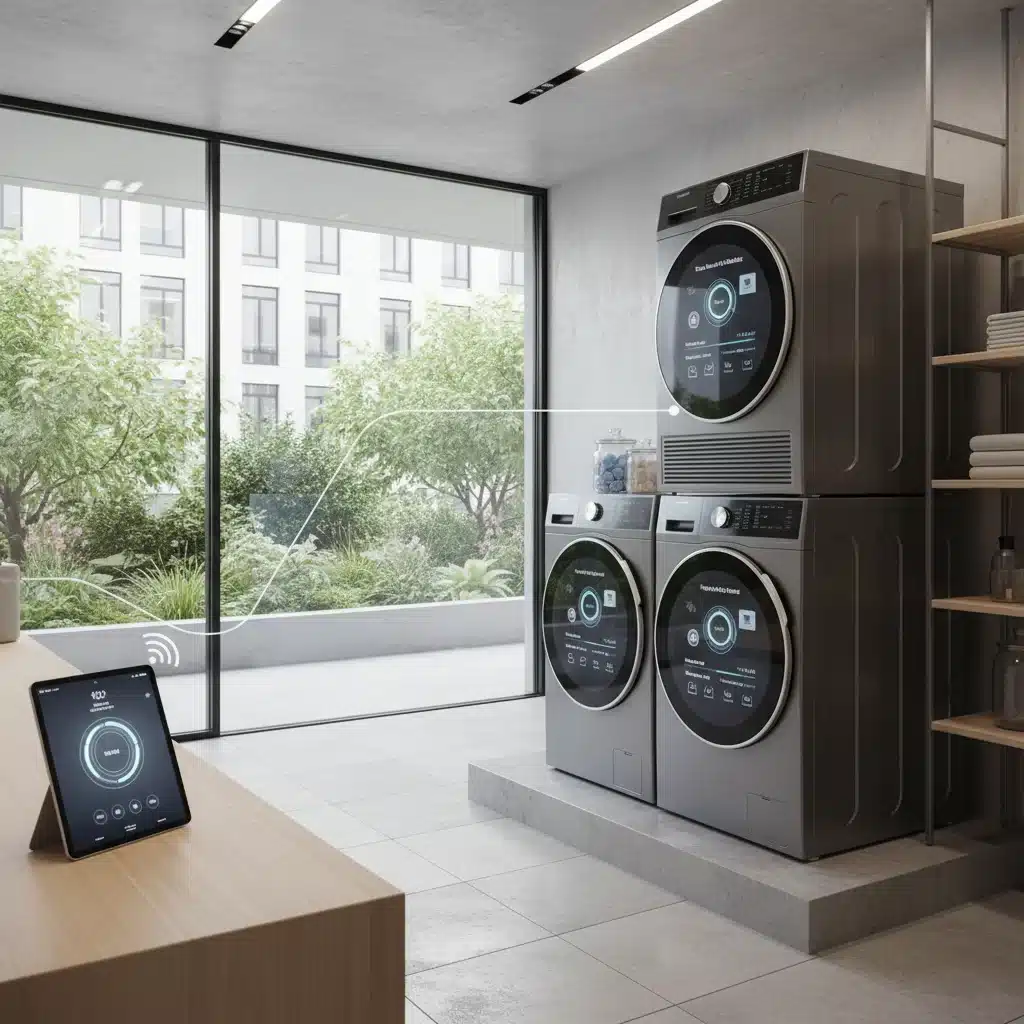
The laundry room is often seen as a chore, but smart washing machines are transforming it into a hub of efficiency and sophisticated fabric care. By 2026, expect washing machines to feature advanced AI that identifies fabric types and soil levels, automatically dispensing the correct amount of detergent and selecting the optimal wash cycle. Integrated sensors will detect hard water and adjust accordingly, while microplastic filters will become standard, addressing growing environmental concerns. Remote diagnostics will allow manufacturers to troubleshoot issues without a service visit, and predictive maintenance alerts will keep your machine running smoothly. Furthermore, these machines will offer personalized wash profiles, remembering your preferences for different garment types, ensuring your clothes receive the best possible care.
Smart Dryers: Precision Drying and Energy Savings
Complementing smart washing machines, smart dryers will also see significant advancements. Beyond moisture sensors that prevent over-drying, future dryers will incorporate AI to identify fabric types and adjust drying temperatures and times precisely, protecting delicate garments and reducing energy consumption. Integration with smart home energy grids will allow dryers to run during off-peak hours, saving money and reducing strain on the power grid. Steam cycles for wrinkle removal and sanitization will become more advanced, offering professional-level care at home. Voice control and seamless integration with washing machines will create a completely automated laundry cycle, from wash to dry, with minimal human intervention. Imagine a dryer that learns your schedule and has your clothes ready precisely when you need them.
Beyond the Machines: Smart Laundry Accessories
The intelligence in the laundry room won’t be limited to just washers and dryers. Smart ironing boards with integrated steam and vacuum functions, intelligent garment steamers, and even automated folding machines are on the horizon. Smart laundry hampers that sort clothes by color or fabric type, and then communicate with your washing machine, could revolutionize the pre-wash process. The goal is to eliminate the manual aspects of laundry, making it a truly effortless task. These accessories will connect to the central smart home ecosystem, allowing for remote monitoring and control, and ensuring that every aspect of fabric care is streamlined and optimized.
Underlying Technologies Driving Smart Appliance Trends
The Internet of Things (IoT): The Foundation of Connectivity
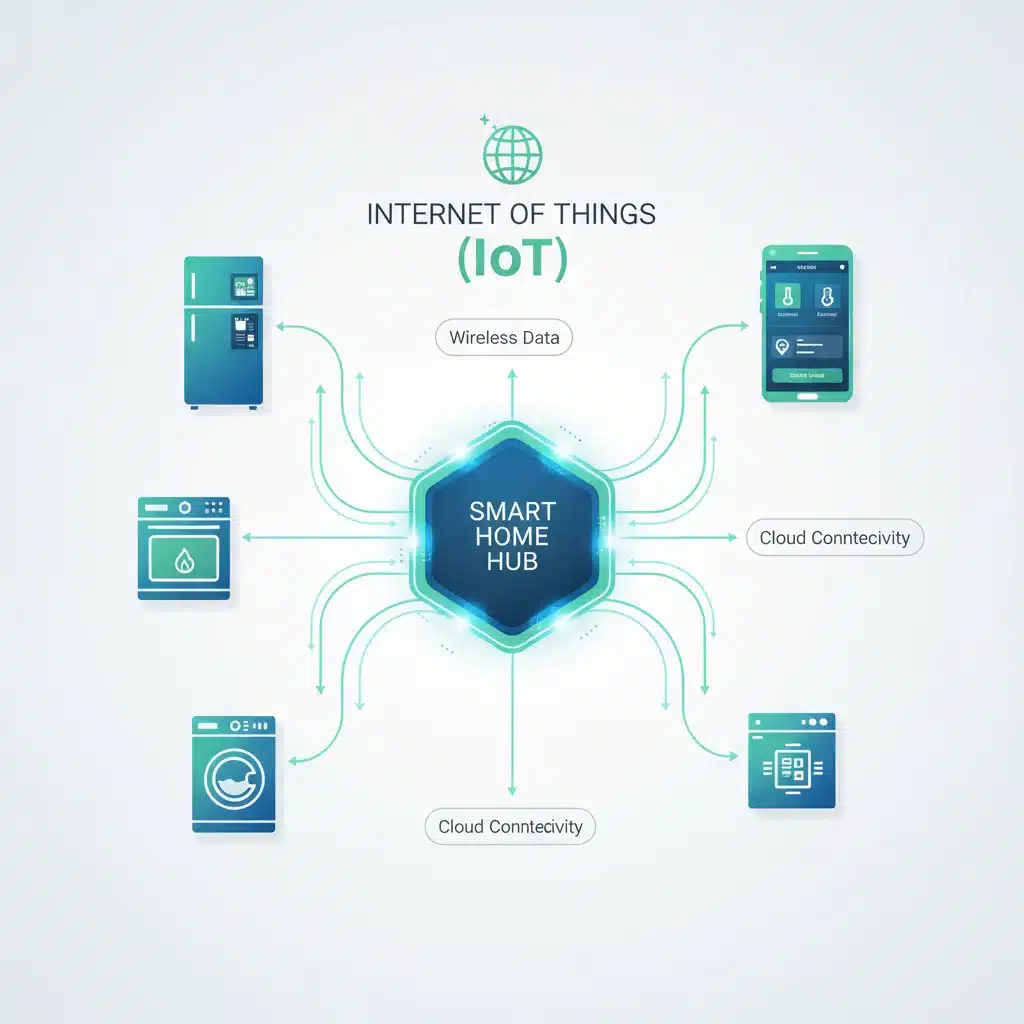
The backbone of all Smart Appliance Trends is the Internet of Things (IoT). This vast network of interconnected devices allows appliances to communicate with each other, with central hubs, and with users’ smartphones. By 2026, the IoT will be more robust and secure, enabling seamless data exchange and more complex automation routines. This interconnectedness allows for features like your smart oven preheating when your smart doorbell detects you’re approaching home, or your washing machine notifying your smart speaker when a cycle is complete. The standardization of communication protocols will also improve, leading to greater interoperability between different brands and ecosystems, making it easier for consumers to build a truly integrated smart home.
Artificial Intelligence (AI) and Machine Learning (ML): The Brains Behind the Brawn
While IoT provides the connectivity, AI and ML provide the intelligence. These technologies allow smart appliances to learn from user behavior, adapt to changing conditions, and make autonomous decisions. AI algorithms will become more sophisticated, enabling appliances to predict maintenance needs, optimize energy usage based on real-time electricity prices, and even anticipate user preferences for cooking or laundry cycles. Machine learning will allow appliances to improve their performance over time, becoming more efficient and personalized with every use. This means your appliances will not just respond to commands; they will anticipate your needs and proactively offer solutions, making your home truly intuitive.
Voice Control and Natural Language Processing (NLP): Intuitive Interaction
Voice assistants like Amazon Alexa, Google Assistant, and Apple Siri are already integrated into many smart appliances. By 2026, natural language processing (NLP) will be even more advanced, allowing for more conversational and nuanced interactions. You’ll be able to give complex commands like, “Preheat the oven to 375 degrees and set a timer for 30 minutes, then remind me to check the roast,” and your appliance will understand and execute. This hands-free control will be particularly beneficial in the kitchen and laundry room, where hands are often occupied. The goal is to make interaction with appliances feel as natural as speaking to another person, eliminating the need for complex menus or button presses.
Sustainability and Energy Efficiency: A Core Design Principle
As environmental concerns grow, sustainability will be a driving force behind future Smart Appliance Trends. Manufacturers are increasingly focusing on developing appliances that consume less water and energy, utilize eco-friendly materials, and are designed for longevity and recyclability. Smart appliances will play a crucial role in managing household energy consumption, with features that allow them to operate during off-peak hours or integrate with renewable energy sources like solar panels. Real-time energy monitoring will empower users to make more informed decisions about their consumption, contributing to a greener lifestyle. The emphasis will be on reducing the carbon footprint of our homes without compromising on convenience or performance.
Challenges and Considerations for the Future
Data Privacy and Security
As smart appliances collect more data about our habits and preferences, concerns around data privacy and security will intensify. Manufacturers will need to implement robust encryption and security protocols to protect user data from breaches. Consumers will also demand greater transparency regarding how their data is collected, stored, and used. Trust will be a critical factor in the adoption of advanced smart home technologies, and companies that prioritize user privacy will gain a significant advantage. Clear policies and user-friendly controls over data sharing will be essential.
Interoperability and Ecosystem Fragmentation
One of the persistent challenges in the smart home market is the fragmentation of ecosystems. Different brands often use proprietary technologies, making it difficult for devices from various manufacturers to communicate seamlessly. By 2026, there will be a greater push towards industry standards and open protocols, like Matter, to ensure better interoperability. This will allow consumers to choose the best appliances from different brands without worrying about compatibility issues, fostering a more cohesive and user-friendly smart home experience. A truly integrated smart home requires all its components to speak the same language.
Cost and Accessibility
While smart appliances are becoming more affordable, the initial investment can still be a barrier for some consumers. As technology matures and production scales, prices are expected to drop, making these innovations more accessible to a broader audience. Manufacturers will also need to offer a range of products at different price points, ensuring that the benefits of smart home technology are not exclusive to a privileged few. The long-term savings in energy and resource consumption will also become a more compelling selling point, justifying the initial outlay.
Maintenance and Longevity
With increased complexity comes potential for more intricate maintenance. While predictive maintenance features will help, the repairability and longevity of smart appliances will be crucial. Consumers will expect these high-tech devices to last as long, if not longer, than their traditional counterparts. Manufacturers will need to design appliances with modular components that are easy to repair or upgrade, reducing electronic waste and promoting a circular economy. Access to parts and qualified technicians will also be vital to support the widespread adoption of these advanced devices.
Conclusion: A Smarter Home Awaits
The journey towards a fully intelligent and interconnected home is well underway, and the next few years promise to bring even more remarkable innovations. The Smart Appliance Trends we’ve explored for kitchens and laundry rooms by 2026 paint a picture of unparalleled convenience, efficiency, and personalization. From AI-driven cooking to hyper-efficient fabric care, our homes are set to become proactive partners in our daily lives, anticipating our needs and simplifying tasks. While challenges related to privacy, interoperability, and cost remain, the rapid pace of technological advancement suggests that these hurdles will be overcome, paving the way for a truly transformative domestic experience.
Embracing these smart innovations is not just about acquiring new gadgets; it’s about investing in a lifestyle that offers more time, less effort, and a greater sense of control over our living environments. The future of home appliances is bright, intelligent, and ready to make our lives easier, one smart device at a time.