Edge Computing for Smart Homes: Boosting Privacy and Speed by 2026 with 20% Faster Responses
The concept of a smart home has evolved dramatically over the past decade. What once seemed like science fiction – automated lighting, intelligent thermostats, and voice-controlled assistants – is now commonplace. However, as our homes become increasingly connected, a new set of challenges has emerged, primarily concerning data privacy, processing speed, and network latency. Enter Edge Computing Smart Homes, a transformative technology poised to redefine how our smart devices interact, process information, and ultimately, protect our personal data.
By 2026, experts predict that edge computing will enable smart homes to achieve at least 20% faster response times, significantly enhancing user experience and opening doors to entirely new applications. This isn’t just about faster light switches; it’s about a fundamental shift in where and how data is handled, bringing computation closer to the source – your home devices. This article delves deep into the profound impact of edge computing on smart homes, exploring its mechanisms, benefits, challenges, and the exciting future it promises for privacy and performance.
Understanding Edge Computing: The Foundation of Future Smart Homes
Before we dive into its specific applications in smart homes, it’s crucial to grasp what edge computing entails. Traditionally, most data generated by smart devices is sent to a centralized cloud server for processing. This model, while robust, introduces latency due to the physical distance data must travel. It also raises significant privacy concerns, as sensitive personal information leaves the confines of your home to be processed and stored by third-party providers.
Edge computing, in contrast, involves processing data closer to where it’s generated – at the ‘edge’ of the network. For a smart home, this ‘edge’ could be a central hub within your house, a powerful router, or even the smart devices themselves, equipped with more advanced processing capabilities. Instead of sending raw video footage from your security camera to the cloud for analysis, an edge device within your home could analyze it for motion detection and only send an alert (or a small, processed snippet) if something suspicious is identified. This localized processing is the cornerstone of Edge Computing Smart Homes.
How Edge Computing Diffuses the Cloud’s Monolith
- Decentralization: Moves computational power away from distant data centers.
- Proximity: Places processing capabilities physically closer to smart devices.
- Efficiency: Reduces the amount of data transmitted over the internet, saving bandwidth.
- Autonomy: Allows devices to operate more independently, even with intermittent internet connectivity.
This paradigm shift is not just a technicality; it has profound implications for the user experience, security, and the very architecture of smart home ecosystems. The promise of Edge Computing Smart Homes is a future where your home is not just smart, but also secure, responsive, and truly intelligent.
The Privacy Revolution: How Edge Computing Secures Your Smart Home Data
One of the most compelling arguments for adopting Edge Computing Smart Homes is the significant boost it provides to data privacy. In a world increasingly concerned about digital footprints and data breaches, keeping personal information within the home network is a game-changer.
Keeping Data Local: A Fortress for Your Information
When data is processed on the edge, sensitive information – such as video feeds from security cameras, audio from voice assistants, or detailed occupancy patterns – doesn’t need to travel to external cloud servers. This drastically reduces the risk of data interception during transmission or exposure due to cloud breaches. Imagine your smart home knowing your daily routines, your conversations, and your personal preferences, all without sending that raw, intimate data outside your home’s digital perimeter. This is the privacy promise of edge computing.
- Reduced Exposure: Less data transmitted to the cloud means fewer points of vulnerability.
- Anonymization at Source: Data can be processed and anonymized locally before any necessary information is sent externally, if at all.
- User Control: Gives homeowners more direct control over where their data resides and how it’s used.
- Compliance: Simplifies compliance with data protection regulations by minimizing external data sharing.
For instance, a smart camera with edge AI capabilities could analyze footage locally to detect a package delivery or an unfamiliar face. Only a pre-defined alert, not the entire video stream, would be sent to your phone. This approach radically enhances privacy, ensuring that your home remains a private sanctuary, free from the constant scrutiny of distant servers. The shift to Edge Computing Smart Homes fundamentally redefines the trust model between users and their smart devices.
Unleashing Speed: Achieving 20% Faster Responses by 2026
Beyond privacy, the most immediate and noticeable benefit of Edge Computing Smart Homes is the dramatic improvement in speed and responsiveness. The goal of achieving 20% faster responses by 2026 is not merely aspirational; it’s a tangible outcome of reducing latency and optimizing data flow.
Minimizing Latency: The Key to Instantaneous Interactions
Latency, the delay between an action and a reaction, is the Achilles’ heel of many current smart home systems. When you tell your voice assistant to turn off the lights, that command often travels to a cloud server, is processed, and then sent back to your home device. This round trip can introduce noticeable delays. With edge computing, this entire process can happen within your home network, almost instantaneously.
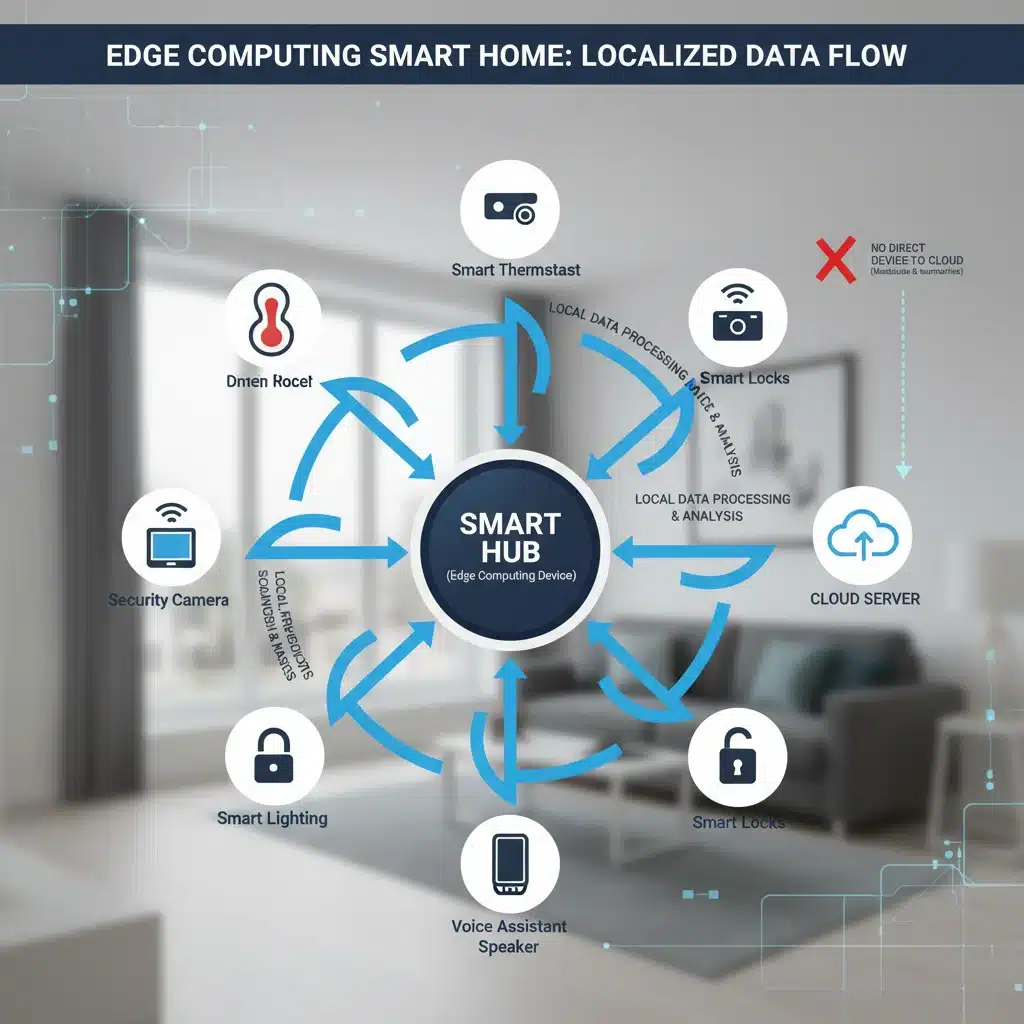
Imagine a smart security system that can analyze a potential threat and trigger an alarm or send a notification in milliseconds, rather than seconds. Or a smart thermostat that adjusts based on real-time occupancy and environmental data without perceptible lag. These improvements are critical for applications where immediate reactions are essential, such as safety systems, immersive entertainment, and complex automation routines.
- Real-time Processing: Enables instantaneous reactions for critical applications.
- Enhanced User Experience: Eliminates frustrating delays, making smart homes feel more intuitive and natural.
- Improved Automation: Allows for more complex and tightly integrated automation sequences based on immediate environmental feedback.
- Reduced Bandwidth: Less data sent to the cloud frees up internet bandwidth for other activities.
This acceleration is not just about convenience; it’s about enabling new functionalities that were previously impossible due to network constraints. For instance, advanced AI-driven personalized experiences, such as predictive climate control that learns your preferences with unprecedented accuracy, become feasible when data processing happens locally and rapidly. The promise of Edge Computing Smart Homes is a home that truly anticipates and responds to your needs without a moment’s hesitation.
Key Use Cases for Edge Computing in Smart Homes
The implications of Edge Computing Smart Homes extend across virtually every aspect of home automation. Here are some key areas where edge computing is set to make a significant impact:
Advanced Security and Surveillance
Edge-enabled security cameras can perform real-time object detection, facial recognition (with user consent), and anomaly detection directly on the device. This means faster alerts, reduced false positives, and the ability to store sensitive video footage locally, enhancing privacy and reducing reliance on cloud storage subscriptions.
Intelligent Energy Management
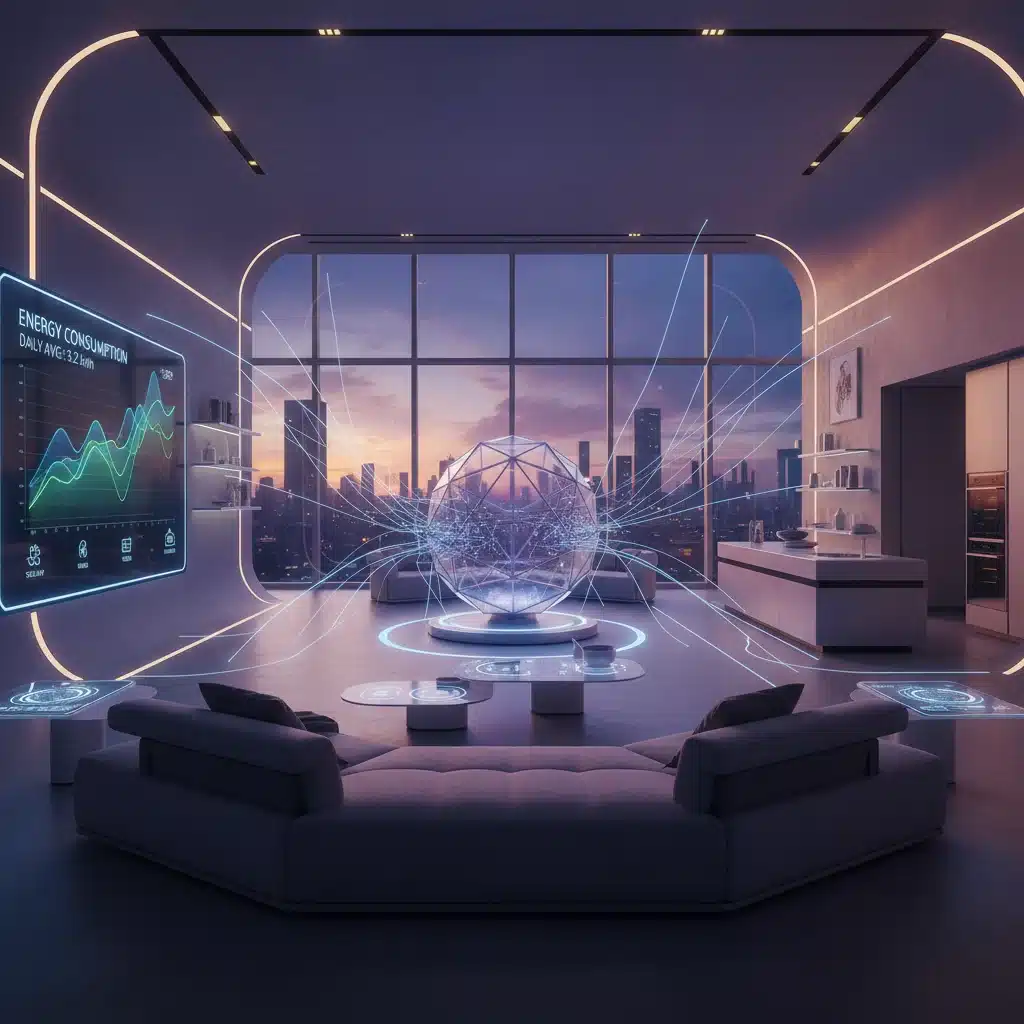
Smart thermostats and energy monitors can leverage edge computing to process real-time occupancy data, weather forecasts, and energy prices locally. This enables more precise and faster adjustments to heating, cooling, and lighting, leading to significant energy savings and optimized comfort without sending continuous data streams to external servers.
Personalized Voice Assistants
While some voice assistant functions still require cloud processing, edge computing can handle many commands and basic natural language processing locally. This improves response times, allows for offline functionality for essential commands, and keeps more of your conversations private within your home.
Health Monitoring and Elder Care
Wearable devices and in-home sensors can process vital signs and activity patterns locally, alerting caregivers or emergency services only when specific conditions are met. This ensures immediate response in critical situations while preserving the privacy of health data, a crucial aspect for Edge Computing Smart Homes in healthcare.
Immersive Entertainment and Gaming
For high-bandwidth applications like 4K streaming and cloud gaming, edge computing can pre-process and cache content locally, reducing buffering and improving overall performance. This provides a smoother, more responsive entertainment experience, crucial for the discerning user of Edge Computing Smart Homes.
Challenges and Considerations for Widespread Adoption
While the benefits of Edge Computing Smart Homes are clear, several challenges need to be addressed before widespread adoption can occur.
Hardware Requirements and Cost
Implementing edge computing often requires more powerful and expensive hardware in smart devices or dedicated home hubs. This could initially increase the cost of smart home systems, potentially limiting accessibility for some consumers. Manufacturers need to find a balance between performance and affordability.
Interoperability and Standardization
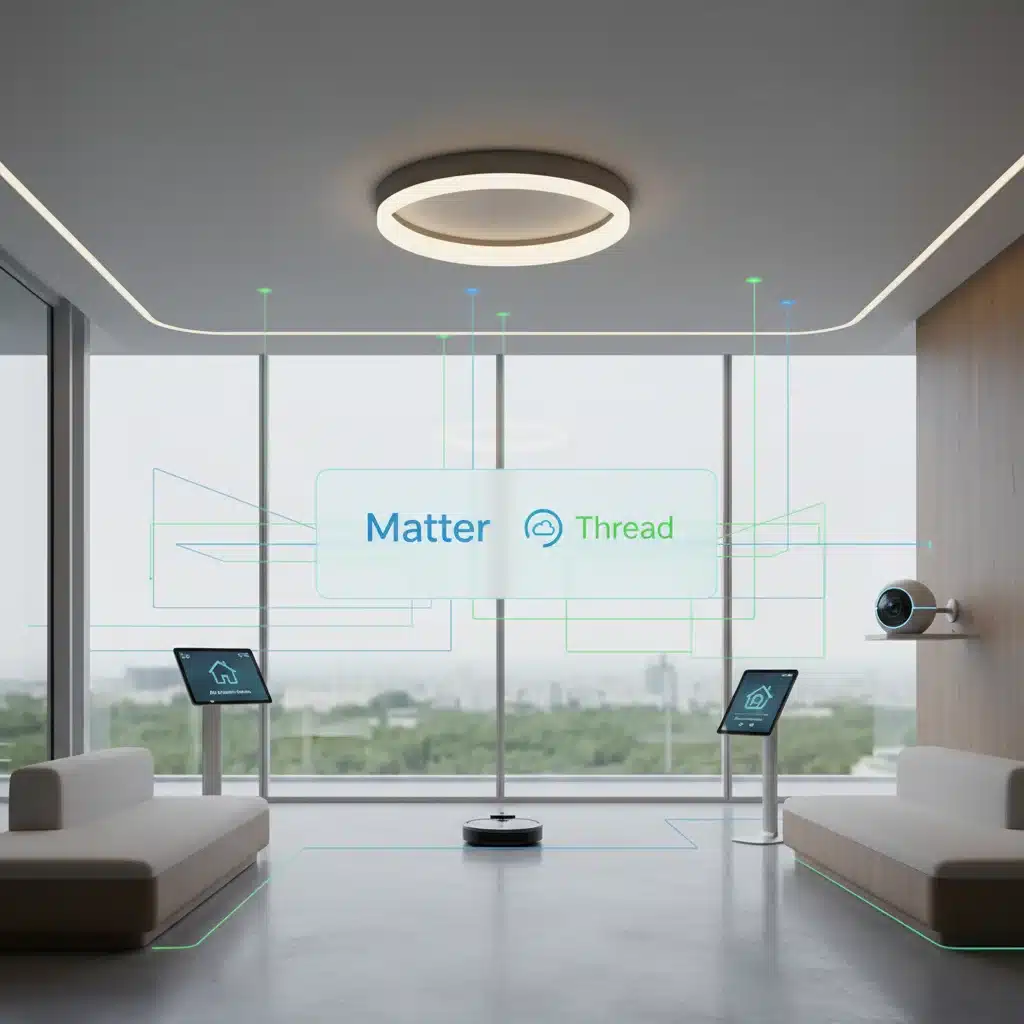
The smart home market is fragmented, with numerous manufacturers and communication protocols. For edge computing to thrive, there needs to be greater interoperability and standardization, allowing devices from different brands to seamlessly communicate and share processing loads at the edge. The development of common APIs and frameworks will be crucial.
Security at the Edge
While edge computing enhances data privacy by keeping data local, it also introduces new security considerations. Edge devices themselves must be robustly secured against cyber threats, as they become direct targets for malicious actors seeking to compromise local data or gain access to the home network. Secure boot, regular firmware updates, and strong authentication mechanisms are paramount for Edge Computing Smart Homes.
Complexity of Management
Managing a decentralized edge computing network within a home can be more complex than simply relying on a single cloud provider. Users will need intuitive interfaces and simplified configuration options to effectively manage their edge devices, monitor their performance, and ensure their security. The user experience must remain seamless despite the underlying technical complexity.
The Road Ahead: The Future of Edge Computing Smart Homes
The trajectory for Edge Computing Smart Homes is steep and promising. As technology advances, we can expect to see several key trends emerge:
Increased AI Integration at the Edge
Artificial intelligence will become increasingly embedded in edge devices, enabling more sophisticated local processing. This will lead to truly predictive and proactive smart homes that can anticipate needs, learn complex patterns, and adapt to changing conditions without constant cloud reliance. Imagine a home that genuinely understands your moods and preferences, adjusting its environment accordingly.
Energy Efficiency and Sustainability
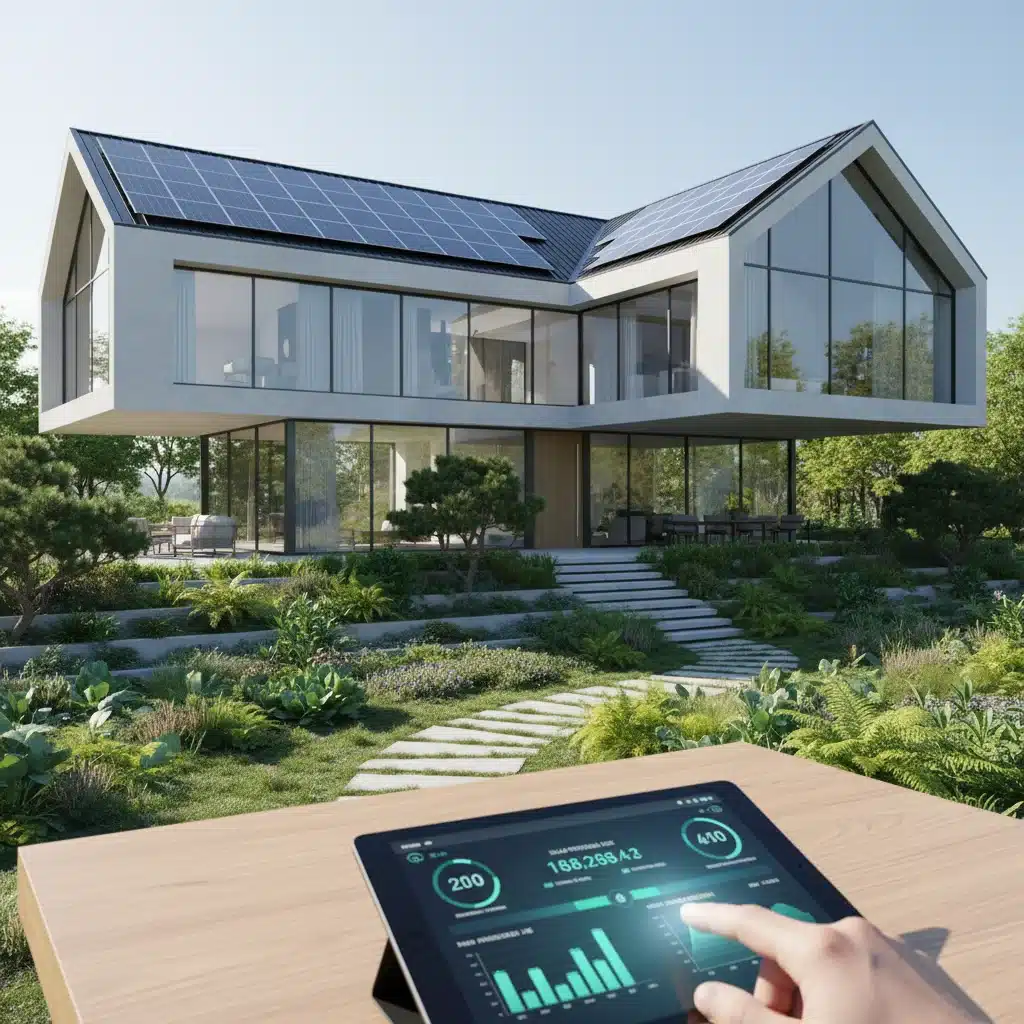
By processing data locally, edge computing reduces the energy consumption associated with transmitting data to and from distant data centers. This contributes to a more sustainable smart home ecosystem, aligning with growing environmental concerns. Furthermore, optimized local processing can lead to more efficient energy usage within the home itself.
Enhanced Resilience and Reliability
Edge Computing Smart Homes will be more resilient to internet outages. Essential functions can continue to operate locally, ensuring that critical systems like security, lighting, and climate control remain functional even if the connection to the wider internet is lost. This enhances the reliability and trustworthiness of smart home systems.
New Business Models and Services
The shift to edge computing will likely foster new business models. Instead of subscription-based cloud services, we might see more emphasis on hardware sales with integrated local AI, or one-time purchases for advanced edge-based functionalities. This could empower consumers with more control over their smart home investments and reduce recurring costs associated with cloud services.
Conclusion: A Smarter, Faster, and More Private Home Awaits
The evolution of smart homes is undeniably heading towards a future powered by edge computing. The benefits are too significant to ignore: vastly improved data privacy, lightning-fast response times (projected to be 20% faster by 2026), and enhanced reliability. While challenges related to cost, interoperability, and edge security remain, the industry is actively working towards solutions.
As we move closer to 2026, expect your home to become not just smarter, but profoundly more intelligent, responsive, and protective of your personal space. Edge Computing Smart Homes represent a pivotal moment in home automation, promising a future where technology seamlessly integrates into our lives, empowering us with control, security, and an unparalleled living experience. The era of the truly autonomous and private smart home is not just on the horizon; it’s being built right now, at the very edge of our networks.