The year 2026 is here, and with it, an unprecedented level of integration between our lives and our smart homes. From intelligent thermostats that learn our preferences to security cameras that monitor our every move, these devices offer unparalleled convenience. However, this convenience comes with a significant caveat: the vast amount of personal data they collect, process, and transmit. The question of Smart Home Data Security has never been more critical. As we delve deeper into this connected future, understanding and implementing advanced data encryption techniques for smart home devices is no longer optional; it’s a fundamental necessity for protecting our privacy and digital well-being.
This comprehensive guide aims to equip you with insider knowledge and practical solutions to navigate the evolving landscape of smart home cybersecurity. We’ll explore the current state of data encryption, anticipate future challenges, and provide actionable steps to fortify your smart home against potential threats. Our focus will be on understanding the underlying technologies, identifying vulnerabilities, and adopting best practices that ensure your personal information remains private and secure.
The Evolving Landscape of Smart Home Data Security in 2026
In 2026, smart home ecosystems are more sophisticated than ever. Devices seamlessly communicate with each other, with cloud services, and often with third-party applications. This interconnectivity, while beneficial, expands the attack surface for malicious actors. Data generated by smart home devices can range from benign temperature readings to highly sensitive information like voice commands, video feeds, location data, and even health metrics. Protecting this data is paramount, and traditional security measures are often insufficient against advanced threats.
Why is Smart Home Data Security a Growing Concern?
- Increased Data Volume and Variety: Every smart device, from your smart doorbell to your connected refrigerator, generates data. This data provides a detailed digital footprint of your life.
- Interconnected Ecosystems: A vulnerability in one device can potentially compromise the entire smart home network, acting as a gateway for attackers.
- Cloud Dependency: Many smart devices rely on cloud services for processing and storage, introducing additional points of potential compromise if those services are not adequately secured.
- Sophisticated Cyber Threats: Attackers are constantly evolving their methods, employing advanced phishing, malware, and zero-day exploits to target IoT devices.
- Lack of Standardization: The smart home industry still grapples with a lack of universal security standards, leading to varying levels of protection across different manufacturers and devices.
- User Awareness Gaps: Many users are unaware of the security risks associated with their smart devices or lack the technical knowledge to implement robust protection measures.
The goal is not just to prevent data breaches but also to ensure data integrity and availability. Imagine a scenario where your smart locks are compromised, or your heating system is maliciously controlled. The implications extend beyond privacy to physical safety and comfort. Therefore, a multi-layered approach to Smart Home Data Security, with advanced encryption at its core, is absolutely essential.
Understanding Advanced Data Encryption for Smart Home Devices
Data encryption is the process of converting information or data into a code to prevent unauthorized access. For smart home devices, this typically involves encrypting data at rest (when stored on the device or in the cloud) and data in transit (when communicated between devices, to the cloud, or to your smartphone). In 2026, basic encryption is no longer enough; we need to consider advanced techniques that offer stronger protection.
Key Encryption Concepts in Smart Home Data Security
- End-to-End Encryption (E2EE): This is the gold standard for privacy. With E2EE, data is encrypted at the source device and can only be decrypted by the intended recipient device. Intermediate servers, including those operated by the device manufacturer, cannot read the data. This is crucial for sensitive data like video feeds from security cameras or voice commands to smart assistants.
- Homomorphic Encryption: An emerging technology that allows computations to be performed on encrypted data without decrypting it first. This could revolutionize cloud-based smart home services, enabling analytics and AI processing on your data without exposing the raw information to the cloud provider. While still in its early stages for widespread consumer IoT, it represents a significant future trend for enhanced privacy.
- Quantum-Resistant Cryptography (Post-Quantum Cryptography): As quantum computing advances, current encryption standards like RSA and ECC could theoretically be broken. Quantum-resistant algorithms are being developed to secure data against future quantum attacks. While not yet a mainstream concern for most smart home users, forward-thinking manufacturers are beginning to explore its implementation for long-term data protection.
- Hardware-Based Security Modules (HSMs): These are physical components embedded within devices that provide a secure environment for cryptographic operations and key storage. HSMs make it much harder for attackers to extract encryption keys or tamper with the device’s firmware, significantly enhancing the overall Smart Home Data Security. Examples include Trusted Platform Modules (TPMs) or Secure Elements (SEs).
- Zero-Knowledge Proofs (ZKPs): A cryptographic method where one party can prove to another that a statement is true, without revealing any information beyond the validity of the statement itself. For smart homes, this could mean authenticating a device or a user without exchanging passwords or sensitive identifiers, further bolstering privacy.
The strength of encryption relies on robust algorithms, secure key management, and proper implementation. A weak link in any of these areas can compromise the entire security chain. Therefore, choosing devices from manufacturers committed to these advanced principles is a crucial step in maintaining strong Smart Home Data Security.
Practical Solutions for Enhancing Your Smart Home Data Security in 2026
While advanced encryption techniques are often implemented by manufacturers, there are numerous practical steps homeowners can take to significantly improve their Smart Home Data Security. It’s a shared responsibility between consumers and manufacturers to create a truly secure smart home ecosystem.
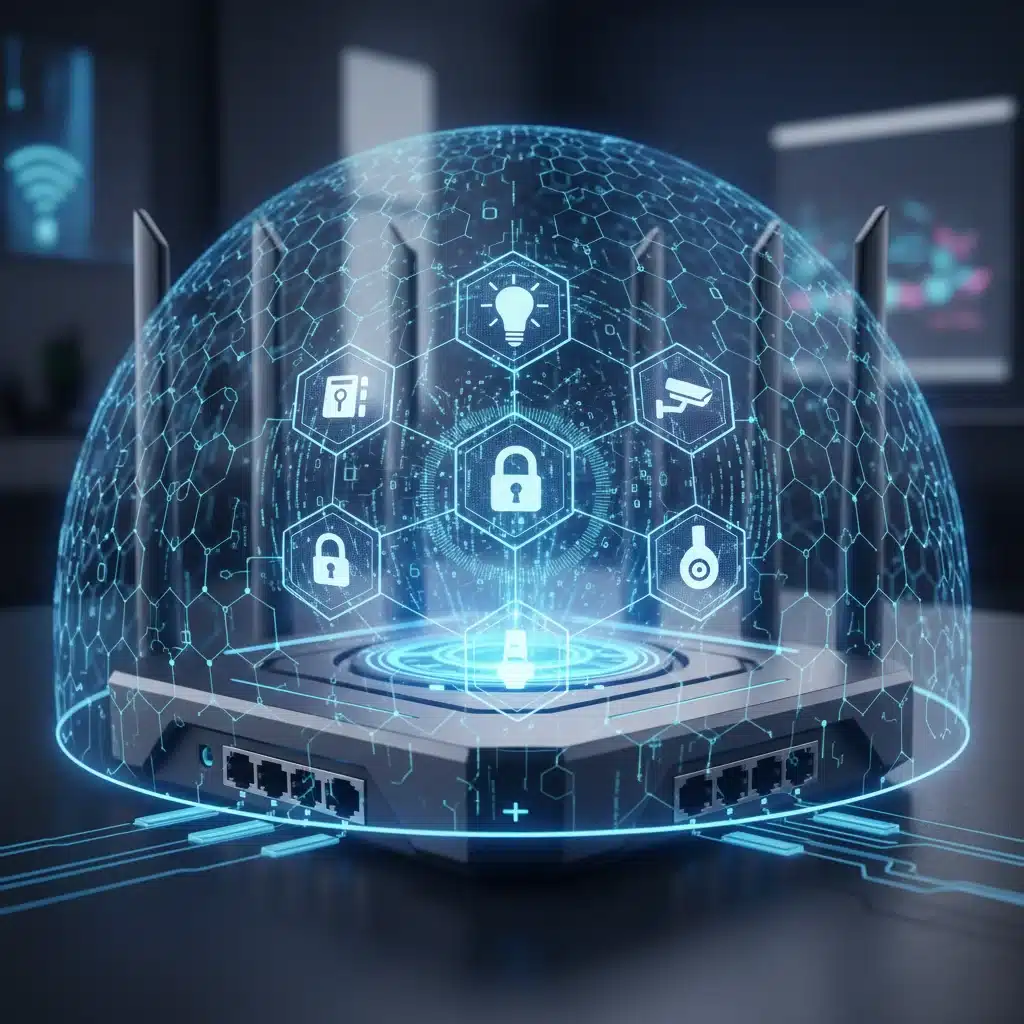
1. Secure Your Network Foundation
Your Wi-Fi network is the gateway to your smart home. A weak network security posture undermines all other efforts.
- Use WPA3 Encryption: Ensure your router supports and is configured for WPA3, the latest and most secure Wi-Fi encryption standard. It offers stronger protection against password-guessing attacks and provides individual data encryption for each connection.
- Strong, Unique Wi-Fi Passwords: Use long, complex, and unique passwords for your Wi-Fi network. Avoid default passwords at all costs.
- Guest Network for Smart Devices: Consider setting up a separate guest Wi-Fi network for your smart devices. This isolates them from your primary network where your computers, phones, and other sensitive data reside. If a smart device is compromised, the attacker won’t have direct access to your main network.
- Regular Router Firmware Updates: Router manufacturers frequently release firmware updates to patch security vulnerabilities. Enable automatic updates or check for them regularly.
- Disable UPnP: Universal Plug and Play (UPnP) can open ports on your router, making devices more discoverable but also more vulnerable to external attacks. Disable it if not absolutely necessary.
2. Device-Specific Security Measures
Each smart device has its own security considerations. Addressing these individually is key to robust Smart Home Data Security.
- Change Default Passwords Immediately: This is perhaps the most critical and often overlooked step. Default usernames and passwords are a huge security risk. Create strong, unique passwords for every smart device.
- Enable Two-Factor Authentication (2FA/MFA): Wherever available, enable 2FA or multi-factor authentication for all smart device accounts and associated cloud services. This adds an extra layer of security, typically requiring a code from your phone in addition to your password.
- Keep Device Firmware Updated: Manufacturers release firmware updates to fix bugs and patch security vulnerabilities. Enable automatic updates or check for them frequently. Outdated firmware is a common entry point for attackers.
- Review Privacy Settings: Actively review and adjust the privacy settings on all your smart devices and their companion apps. Understand what data they collect and how it’s used. Limit data sharing where possible.
- Disable Unnecessary Features: If a smart device has features you don’t use (e.g., a microphone on a smart plug), disable them. Less functionality often means a smaller attack surface.
- Research Before You Buy: Before purchasing a new smart device, research the manufacturer’s security track record, their commitment to privacy, and their encryption practices. Look for devices that explicitly state support for E2EE and regular security updates.
- Consider a Smart Home Hub with Local Processing: Some smart home hubs allow devices to communicate and process data locally, reducing reliance on cloud services and enhancing privacy.
3. Data Management and Privacy Hygiene
Beyond device settings, how you manage your data and online habits significantly impacts your Smart Home Data Security.
- Understand Data Collection: Be aware of what data your devices collect. Read privacy policies (as tedious as it may be) to understand how your data is stored, processed, and potentially shared.
- Data Minimization: Only provide the necessary information. If a device asks for more personal data than seems relevant to its function, reconsider providing it.
- Regularly Review Connected Accounts: Periodically check which third-party apps or services have access to your smart home data. Revoke access for anything you no longer use or trust.
- Secure Your Mobile Devices: Your smartphone is often the control center for your smart home. Keep your phone’s operating system updated, use a strong passcode, and be wary of suspicious apps.
- Educate Your Household: Ensure everyone using your smart home understands basic security practices, such as not sharing passwords and being cautious of suspicious links.
The Role of Manufacturers in Advancing Smart Home Data Security
While consumers have a vital role, the primary responsibility for implementing robust encryption and security features lies with smart device manufacturers. In 2026, leading manufacturers are adopting several key strategies:
1. Security by Design
Integrating security features from the very beginning of the product development lifecycle, rather than as an afterthought. This includes:
- Robust Cryptographic Implementations: Using strong, industry-standard encryption algorithms and protocols.
- Secure Boot Mechanisms: Ensuring that only trusted, signed firmware can run on the device, preventing unauthorized software from loading.
- Hardware-Rooted Trust: Utilizing hardware security modules to store cryptographic keys and perform sensitive operations securely.
- Minimizing Attack Surfaces: Designing devices with only essential services and ports enabled to reduce potential entry points for attackers.
2. Transparent Security Practices
Manufacturers are increasingly expected to be transparent about their security practices, including:
- Clear Privacy Policies: Easy-to-understand explanations of what data is collected, how it’s used, and how users can control it.
- Vulnerability Disclosure Programs: Mechanisms for security researchers to report vulnerabilities responsibly, allowing manufacturers to patch them before they are exploited.
- Security Audits and Certifications: Undergoing independent security audits and obtaining certifications that attest to their security practices.
3. Lifecycle Security Management
Security is an ongoing process, not a one-time fix. Manufacturers must commit to:
- Regular Firmware Updates: Providing timely security patches and feature updates throughout the device’s lifespan.
- Secure Decommissioning: Offering tools and guidance for securely factory resetting or decommissioning devices to prevent data leakage when a device is sold or discarded.
- Long-Term Support: Ensuring that devices receive security support for a reasonable period, even after they are no longer actively sold.
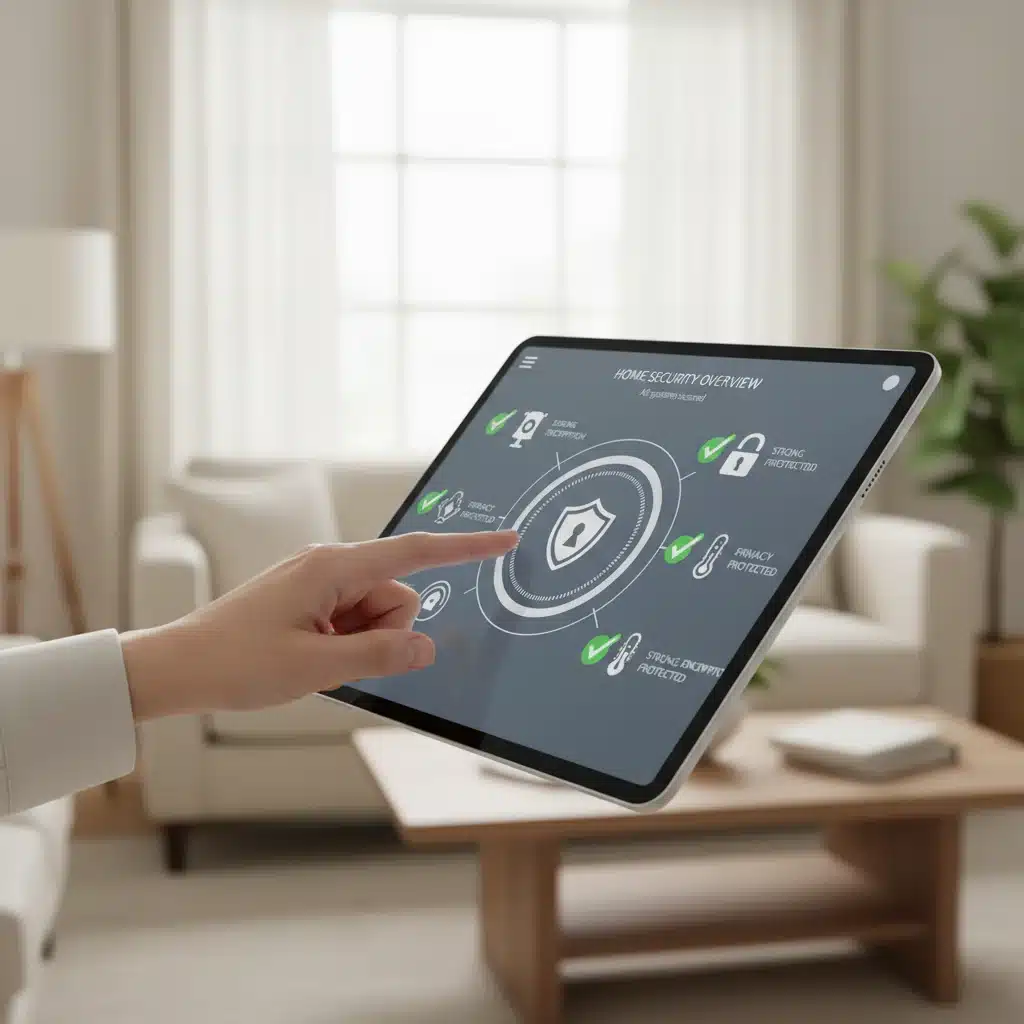
Emerging Threats and Future Trends in Smart Home Data Security
The cybersecurity landscape is constantly evolving, and smart homes are no exception. Staying ahead requires understanding emerging threats and anticipating future trends. In 2026 and beyond, we can expect:
- AI-Powered Attacks: Malicious AI could be used to identify vulnerabilities, craft sophisticated phishing attempts, or even mimic user behavior to gain access to smart home systems.
- Deepfake Exploitation: As deepfake technology becomes more advanced, it could be used to impersonate users for voice-activated commands or video authentication, posing a significant threat to security.
- Supply Chain Attacks: Compromising smart devices at the manufacturing stage or during transit, injecting malicious code before they even reach the consumer.
- Increased Regulatory Scrutiny: Governments worldwide are likely to introduce stricter regulations regarding IoT security and data privacy, pushing manufacturers to adopt higher standards.
- Decentralized Identity (DID) and Blockchain: These technologies could offer new ways to manage identity and data access in smart homes, giving users more granular control over their information and potentially reducing reliance on centralized cloud providers.
- Edge Computing for Privacy: More processing will occur directly on smart devices or local hubs (edge computing), reducing the amount of raw data sent to the cloud and enhancing privacy. This complements homomorphic encryption by reducing the need for cloud interpretation of sensitive data.
To combat these evolving threats, a proactive and adaptive approach to Smart Home Data Security is crucial. This involves continuous monitoring, rapid response to vulnerabilities, and a commitment to staying informed about the latest security best practices.
The Importance of User Awareness and Education
No matter how sophisticated the encryption or how many security features a device has, human error remains one of the weakest links in the security chain. User awareness and education are paramount for effective Smart Home Data Security. Homeowners need to understand:
- The Value of Their Data: Recognizing that their personal data is a valuable asset that needs protection.
- Common Attack Vectors: Being able to identify phishing attempts, suspicious links, and other social engineering tactics.
- Best Practices for Password Management: The importance of strong, unique passwords and the use of password managers.
- The Role of Updates: Understanding why firmware and software updates are critical for security.
- Privacy Settings: Knowing how to manage and configure privacy settings on their devices and apps.
Manufacturers and industry organizations have a role to play in simplifying security information and making it accessible to the average consumer. Clear, concise guides and intuitive user interfaces for security settings can go a long way in empowering users to protect their smart homes.
Conclusion: A Secure and Private Smart Home Future in 2026
As we navigate 2026, the promise of the smart home is undeniable. Convenience, efficiency, and enhanced living experiences are becoming standard. However, this progress must not come at the expense of our privacy and security. Advanced data encryption for smart home devices is the bedrock upon which a truly secure and trustworthy connected home is built.
By understanding the principles of strong encryption, implementing practical security measures on your network and devices, and staying informed about emerging threats, you can significantly enhance your Smart Home Data Security. Furthermore, by demanding greater transparency and robust security-by-design from manufacturers, we collectively drive the industry towards a more secure future.
The journey to a fully secure smart home is ongoing, requiring vigilance and continuous adaptation. But with the right knowledge and tools, you can enjoy the benefits of your connected abode with the peace of mind that your personal data remains protected, private, and under your control. Embrace the future, but do so securely.