The Latest in Smart Home Security Systems for 2026: A Data-Driven Comparison of Top US Providers
In an increasingly connected world, the concept of home security has evolved far beyond traditional alarm systems. Welcome to 2026, where smart home security isn’t just a luxury; it’s an integrated, intelligent ecosystem designed to protect your sanctuary with unprecedented efficiency and convenience. As technology advances at an astonishing pace, so do the capabilities of these systems, offering everything from AI-powered facial recognition to predictive threat analysis. Choosing the right smart home security system can be a daunting task, given the myriad of options available in the US market. This comprehensive, data-driven comparison aims to cut through the noise, providing you with the insights needed to make an informed decision about securing your home in 2026.
The landscape of smart home security is dynamic, with new features, integrations, and service models emerging constantly. Our focus today is on the leading US providers, evaluating their offerings across critical parameters such as technology, reliability, cost-effectiveness, customer support, and ease of use. Whether you’re a tech-savvy homeowner looking for the most cutting-edge solutions or someone seeking a straightforward, dependable system, understanding the nuances of each provider is crucial. We’ll delve into what makes each system stand out, examining their strengths and weaknesses to help you find the perfect match for your specific needs and budget.
Understanding the Evolution of Smart Home Security
Before diving into specific providers, it’s essential to grasp the fundamental shifts in smart home security over the past few years. Gone are the days when a simple motion sensor and an audible alarm constituted a ‘secure’ home. Today, smart systems integrate with a vast array of devices, creating a holistic security blanket. Key advancements include:
- Artificial Intelligence (AI) and Machine Learning (ML): These technologies power features like advanced facial recognition, pet detection (reducing false alarms), anomaly detection, and even predictive analytics to identify potential threats before they escalate.
- Internet of Things (IoT) Integration: Seamless connectivity between security devices (cameras, sensors, locks), smart home devices (lighting, thermostats), and even smart appliances for enhanced automation and control.
- Cloud-Based Storage and Processing: Secure, remote storage of video footage and data, allowing for easy access and analysis from anywhere in the world.
- Enhanced Communication Protocols: More reliable and secure wireless communication standards (e.g., Z-Wave, Zigbee, Wi-Fi 6) ensuring devices stay connected and responsive.
- DIY vs. Professional Installation: A growing trend towards user-friendly DIY installation options, alongside traditional professional installation services, offering flexibility for homeowners.
- Subscription Models: A shift towards feature-rich subscription plans that include professional monitoring, cloud storage, and advanced analytics, often replacing large upfront hardware costs.
These developments have made smart home security more accessible, intelligent, and customizable than ever before. The challenge now lies in navigating the diverse offerings to identify which provider aligns best with your security philosophy and lifestyle.
Key Criteria for Evaluating Smart Home Security Systems in 2026
To provide a truly data-driven comparison, we’ve established several key criteria against which we will evaluate the top US providers. These criteria reflect what modern homeowners prioritize when investing in smart home security:
- Core Security Features: This includes the quality of cameras (resolution, field of view, night vision, AI analytics), the range and reliability of sensors (motion, door/window, glass break, environmental), and the robustness of smart locks.
- Monitoring Options: We assess the availability and quality of professional monitoring services (24/7, rapid response, cellular backup) versus self-monitoring capabilities.
- Smart Home Integration: How well does the system integrate with other smart home ecosystems (e.g., Amazon Alexa, Google Home, Apple HomeKit) and third-party devices?
- Ease of Installation and Use: Evaluation of both DIY friendliness and professional installation experiences, as well as the intuitiveness of the mobile app and control panel.
- Pricing and Contracts: A detailed look at equipment costs, monthly subscription fees, contract lengths, and any hidden charges. Transparency in pricing is a significant factor.
- Customer Support and Warranty: The quality of customer service, technical support, and warranty coverage for hardware.
- Data Privacy and Security: How providers handle your personal data and video footage, including encryption standards and privacy policies.
By applying these benchmarks consistently, we can offer a clear and actionable comparison of the top players in the smart home security market.
Top US Smart Home Security Providers for 2026: A Deep Dive
1. ADT Smart Home Security
Overview: ADT remains a titan in the security industry, continually evolving its offerings to stay competitive in the smart home era. In 2026, ADT’s smart home security solutions are characterized by robust professional monitoring, extensive equipment options, and strategic partnerships with leading smart home brands.
- Core Security Features: ADT offers a comprehensive suite including high-definition indoor/outdoor cameras with AI-powered analytics (person/package detection), a wide array of environmental sensors (smoke, CO, flood), and smart door locks. Their cameras now boast enhanced low-light performance and wider fields of view.
- Monitoring Options: ADT’s 24/7 professional monitoring is their cornerstone, known for its rapid response times and multiple monitoring centers for redundancy. Cellular backup is standard.
- Smart Home Integration: Excellent integration with Google Assistant and Amazon Alexa. ADT Control platform allows for seamless management of lights, thermostats, and other smart devices from brands like Z-Wave and Zigbee.
- Ease of Installation and Use: Primarily professional installation, ensuring optimal setup and configuration. The ADT Control app is user-friendly, offering intuitive control and real-time alerts.
- Pricing and Contracts: Equipment costs can be higher upfront, often offset by financing options. Monthly monitoring fees are on the higher end but reflect premium service. Contracts are typically 36 months, which can be a drawback for some.
- Customer Support and Warranty: Strong customer support infrastructure with 24/7 technical assistance. Warranties are standard for professional systems.
- Data Privacy and Security: ADT emphasizes secure data handling with encryption protocols and a solid privacy policy.
Verdict: ADT is ideal for homeowners prioritizing professional-grade monitoring and a comprehensive, expertly installed system, willing to commit to a longer contract for peace of mind.
2. SimpliSafe
Overview: SimpliSafe continues to be a leader in the DIY smart home security space, offering a flexible and affordable alternative without compromising on essential security features. Their 2026 lineup shows continued innovation in user-friendliness and device integration.
- Core Security Features: SimpliSafe offers a range of reliable sensors (entry, motion, glass break, water, smoke, CO), indoor/outdoor cameras with 1080p resolution, and smart door locks. Their new outdoor camera features improved battery life and advanced motion detection.
- Monitoring Options: Offers both self-monitoring and professional monitoring plans. Their professional monitoring is 24/7, fast, and includes cellular backup. The ‘Interactive’ plan adds cloud recording and smart home integrations.
- Smart Home Integration: Integrates with Amazon Alexa, Google Assistant, and August Smart Locks. While not as extensive as ADT, it covers the popular smart home ecosystems.
- Ease of Installation and Use: Designed for easy DIY installation, typically taking less than an hour. The mobile app is highly intuitive and straightforward, making daily management simple.
- Pricing and Contracts: More affordable equipment costs, often with promotional bundles. Monthly monitoring fees are competitive, and crucially, no long-term contracts are required, offering month-to-month flexibility.
- Customer Support and Warranty: Good customer service, though not 24/7 for all tiers. Standard warranties on hardware.
- Data Privacy and Security: SimpliSafe employs robust encryption and states a clear commitment to user privacy.
Verdict: SimpliSafe is perfect for budget-conscious DIYers who want reliable smart home security with flexible monitoring options and no long-term commitments.
3. Ring Alarm Pro
Overview: Ring, a subsidiary of Amazon, has carved out a significant niche with its accessible and integrated smart home security solutions. The Ring Alarm Pro, in particular, combines security with internet connectivity, positioning it as a unique offering for 2026.
- Core Security Features: The Alarm Pro system includes a base station that doubles as an Eero Wi-Fi 6 router, providing integrated internet backup. It offers a suite of sensors (contact, motion, smoke/CO listener) and a wide range of Ring cameras (Video Doorbells, Floodlight Cams, Stick Up Cams) with 1080p video, two-way talk, and advanced motion detection.
- Monitoring Options: Offers self-monitoring and professional monitoring via the ‘Ring Protect Pro’ plan. This plan includes 24/7 monitoring, cellular and internet backup, and local video storage.
- Smart Home Integration: Excellent integration with Amazon Alexa, allowing for voice control and seamless interaction with other Ring and Alexa-compatible devices.
- Ease of Installation and Use: Very easy DIY installation. The Ring app is highly user-friendly, providing comprehensive control over all Ring devices and security settings.
- Pricing and Contracts: Equipment is competitively priced, especially considering the integrated Eero router. The ‘Ring Protect Pro’ plan is affordable, offering significant value. No long-term contracts.
- Customer Support and Warranty: Good customer support, accessible through various channels. Standard product warranties.
- Data Privacy and Security: Ring has made strides in privacy, introducing end-to-end encryption for video and offering more granular control over data sharing.
Verdict: Ring Alarm Pro is ideal for homeowners seeking a DIY smart home security solution that integrates deeply with the Amazon ecosystem and offers robust internet backup capabilities, making it a true all-in-one hub.
4. Vivint Smart Home
Overview: Vivint stands out as a premium, professionally installed and monitored smart home security system. For 2026, Vivint continues to innovate with advanced AI and seamless integration, offering a high-end experience.
- Core Security Features: Vivint boasts state-of-the-art equipment, including outdoor cameras with Smart Sentry (AI-powered person detection and deterrence), indoor cameras with two-way talk, smart thermostats, and highly responsive sensors. Their systems are known for their sophisticated automation capabilities.
- Monitoring Options: 24/7 professional monitoring is standard with all Vivint packages. Their monitoring centers are highly rated for quick response times and proactive communication.
- Smart Home Integration: Vivint offers one of the most comprehensive smart home integrations, acting as a central hub for a wide range of Z-Wave devices. It integrates with Amazon Alexa, Google Assistant, and even includes proprietary smart home devices.
- Ease of Installation and Use: Exclusively professional installation ensures expert setup and optimization. The Vivint Smart Hub panel and mobile app are incredibly intuitive, providing a premium user experience with advanced customization.
- Pricing and Contracts: Vivint is generally considered a premium service, with higher equipment costs and monthly fees. Contracts are typically 42 or 60 months, reflecting the significant investment. Financing options are available.
- Customer Support and Warranty: Excellent customer service and technical support. Comprehensive warranties and ongoing maintenance support are part of their service.
- Data Privacy and Security: Vivint prioritizes data security with strong encryption and a clear commitment to protecting user information.
Verdict: Vivint is best suited for homeowners who desire a fully integrated, high-end smart home security and automation experience, are comfortable with professional installation, and are willing to invest in a premium service with a long-term contract.
5. Arlo Security System
Overview: While primarily known for its advanced wireless cameras, Arlo has expanded into a full-fledged smart home security system, leveraging its expertise in video surveillance with innovative sensors and monitoring options for 2026.
- Core Security Features: Arlo’s strength lies in its award-winning cameras, offering 2K and 4K HDR video, color night vision, integrated spotlights, and advanced AI object detection (person, vehicle, animal, package). The Arlo Security System includes a modular sensor that detects motion, open/close, and even smoke/CO alarms.
- Monitoring Options: Offers self-monitoring with rich notifications and cloud storage through ‘Arlo Secure’ plans. Professional monitoring is also available as an add-on, providing 24/7 dispatch services.
- Smart Home Integration: Good integration with Amazon Alexa, Google Assistant, and Apple HomeKit (for some cameras). The Arlo app acts as the central control for all Arlo devices.
- Ease of Installation and Use: Designed for easy DIY installation, especially for the wire-free cameras and modular sensors. The Arlo app is well-regarded for its user-friendly interface and comprehensive control.
- Pricing and Contracts: Equipment costs can be moderate to high, especially for multiple 4K cameras. Monthly ‘Arlo Secure’ plans are competitive and optional, with no long-term contracts required for basic functionality.
- Customer Support and Warranty: Solid customer support, primarily online and phone. Standard warranties on hardware.
- Data Privacy and Security: Arlo emphasizes data encryption and provides options for local storage alongside cloud storage, offering users more control over their video data.
Verdict: Arlo is an excellent choice for homeowners who prioritize top-tier video surveillance and flexible monitoring, and who appreciate a modular, DIY-friendly smart home security system.
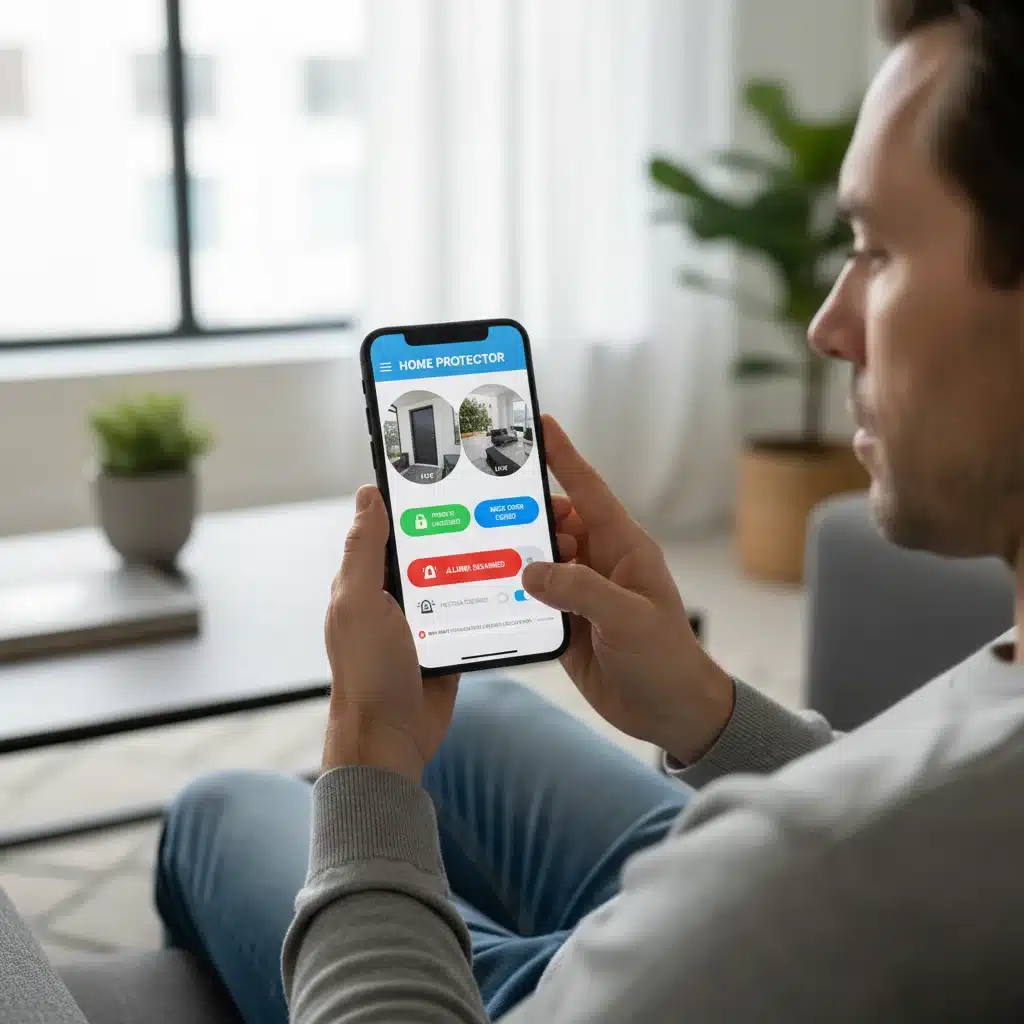
Data-Driven Comparison Table (Snapshot)
Below is a simplified comparison of the key aspects for a quick overview. Remember, detailed features vary by package and region.
| Provider | Installation | Monitoring | Smart Home Integration | Contract Required | Price Tier |
|---|---|---|---|---|---|
| ADT Smart Home Security | Professional | 24/7 Professional | High (Google, Alexa, Z-Wave) | Yes (36 months) | Premium |
| SimpliSafe | DIY | Self/Professional | Moderate (Alexa, Google, August) | No | Mid-Range |
| Ring Alarm Pro | DIY | Self/Professional | High (Alexa, Ring Ecosystem) | No | Mid-Range |
| Vivint Smart Home | Professional | 24/7 Professional | Very High (Alexa, Google, Z-Wave) | Yes (42-60 months) | Premium |
| Arlo Security System | DIY | Self/Professional | Moderate (Alexa, Google, HomeKit) | No | Mid-Range to Premium |
Emerging Trends and Future Outlook for Smart Home Security
The smart home security market is far from stagnant. Looking ahead to 2026 and beyond, several key trends are shaping its future:
- Hyper-Personalization: Systems will become even more adept at learning individual habits and preferences, offering customized alerts and automated responses that truly understand your home’s unique rhythm.
- Advanced Biometrics: Beyond facial recognition, expect to see more widespread use of fingerprint and potentially even voice biometrics for access control and system disarming, enhancing both security and convenience.
- Edge AI Processing: More processing will occur directly on devices (at the ‘edge’) rather than solely in the cloud. This improves privacy, reduces latency, and allows for faster threat detection, even during internet outages.
- Proactive Security Measures: Systems will move from reactive (alerting after an event) to proactive (predicting and deterring events). This could involve AI analyzing patterns to identify suspicious behavior before a break-in occurs, or integrating with smart lighting to simulate occupancy.
- Cybersecurity for Smart Devices: As more devices connect, the risk of cyber threats increases. Providers will invest more heavily in robust cybersecurity frameworks to protect the entire smart home security ecosystem from digital vulnerabilities.
- Energy Efficiency and Sustainability: Integration of security systems with smart energy management, reducing power consumption while maintaining optimal security levels.
- Modular and Scalable Systems: The ability for homeowners to easily add or remove components as their needs change, without requiring a complete system overhaul.
These trends highlight a future where smart home security is not just about preventing crime but about creating an intelligent, responsive, and seamlessly integrated living environment that prioritizes safety, privacy, and convenience.
Choosing the Right Smart Home Security System for You
With so many excellent smart home security options available in 2026, making the final decision comes down to your personal priorities and circumstances. Consider the following questions:
- What is your budget? Factor in both upfront equipment costs and ongoing monthly monitoring fees.
- Do you prefer DIY or professional installation? Are you comfortable setting up tech, or would you rather have experts handle it?
- How important is professional monitoring? Do you need 24/7 dispatch, or are you comfortable self-monitoring?
- What level of smart home integration do you need? Do you want a system that controls everything from lights to thermostats, or just core security?
- Are you comfortable with a long-term contract? Some premium services require multi-year commitments.
- What are your privacy concerns? Research how each provider handles your data and video footage.
- What specific features are non-negotiable? (e.g., 4K cameras, facial recognition, pet detection, environmental sensors).
By carefully evaluating these points against the strengths of each provider discussed, you can confidently select a smart home security system that offers the best blend of protection, convenience, and value for your home in 2026.
Conclusion: Securing Your Home in the Smart Era
The year 2026 presents an exciting array of choices for smart home security. From the professionally installed and comprehensive systems of ADT and Vivint to the flexible and DIY-friendly solutions from SimpliSafe, Ring, and Arlo, there’s a perfect fit for nearly every homeowner. The common thread among these top US providers is a commitment to leveraging advanced technology – AI, IoT, and robust connectivity – to deliver peace of mind.
Remember that the best smart home security system isn’t necessarily the most expensive or the one with the most features; it’s the one that best meets your individual needs, budget, and comfort level. Take the time to research, compare, and even explore demos if possible. By making an informed decision, you’re not just buying a product; you’re investing in the safety, comfort, and intelligent management of your most valuable asset – your home.
Stay secure, stay smart, and embrace the future of home protection!